
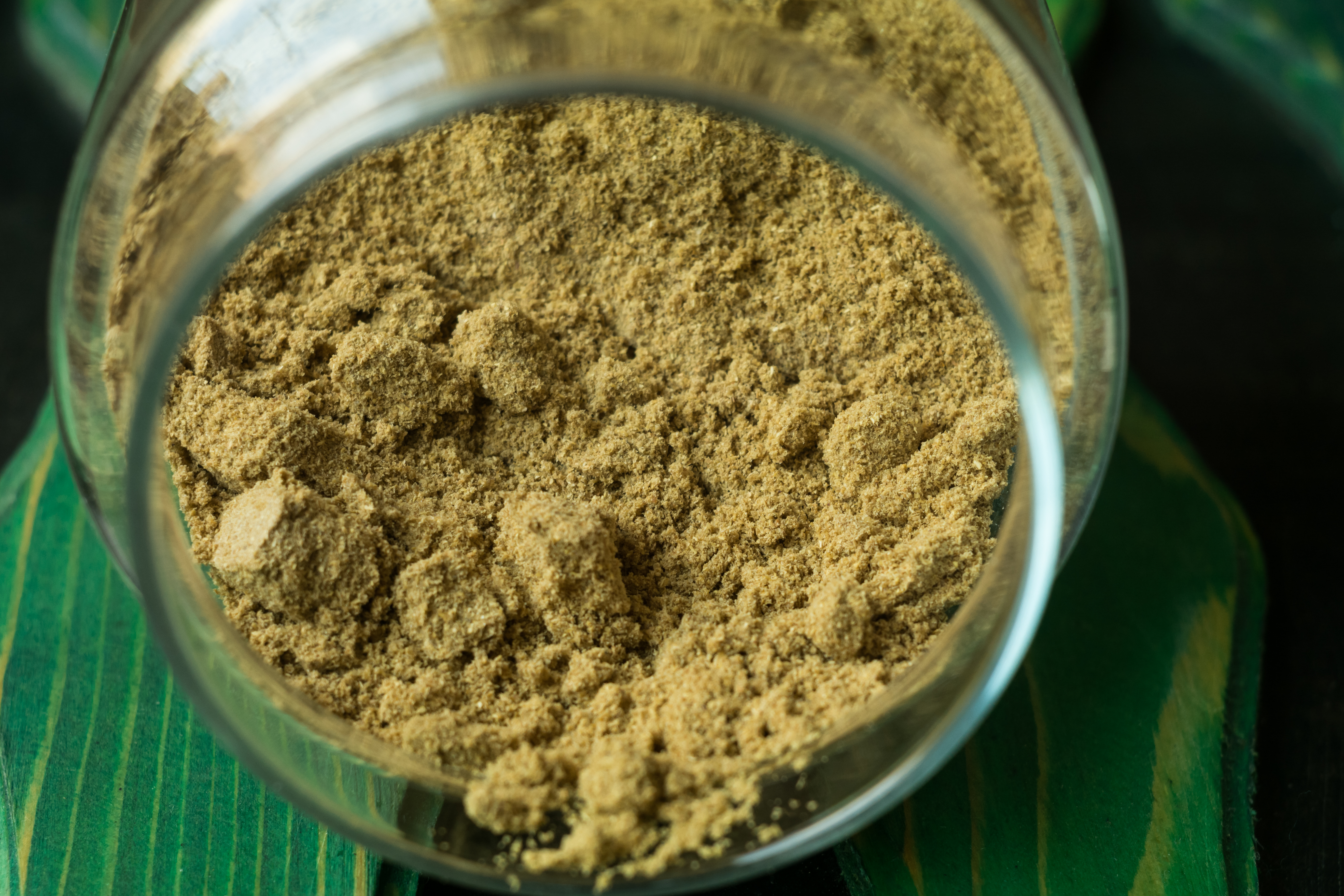
Urinary calculi, particularly calcium oxalate stones, are a common cause of renal colic, dysuria and urinary obstruction. In Ayurveda, urinary stone formation is described under Ashmari, a condition associated with disturbed urinary function and the formation of solid concretions. Pashanbheda, traditionally used in Ashmari Chikitsa, is valued for its Ashmaribhedana (stone-related) and Mutrala (diuretic) properties. Bergenia ligulata is one of the botanical species commonly associated with this medicinal name.
Traditional rationale and proposed role
The rhizome of Pashanbheda has traditionally been used in formulations for urinary calculi. Its Ashmaribhedana property provides the Ayurvedic rationale for its use in stone management, while its Mutrala attribute relates to urinary function.
Contemporary investigations have examined the antilithiatic potential of Bergenia ligulata, particularly its effects on calcium oxalate crystallisation. Bergenin, one of its major constituents, has demonstrated activity in experimental models involving crystal formation and aggregation. Studies have also investigated its influence on renal crystal deposition and oxidative stress.1,2
Clinical considerations and relevant applications
The potential role of Pashanbheda in calcium oxalate stones should be considered alongside relevant clinical factors.
|
Clinical consideration |
Relevance to management |
|
Stone composition |
Calcium oxalate is a common stone constituent; stone analysis helps guide prevention. |
|
Botanical identity |
Pashanbheda is a shared name for several plants; Bergenia ligulata and the rhizome should be clearly specified. |
|
Stone characteristics |
Size, location, number and evidence of obstruction influence treatment decisions. |
|
Recurrence prevention |
Fluid intake, dietary assessment and metabolic evaluation help address recurrent stone formation. |
Clinical assessment and management considerations
- Diagnostic assessment: Ultrasonography or other appropriate imaging, urinalysis and renal function assessment help determine stone burden and associated complications.
- Therapeutic considerations: Experimental findings support investigation of Pashanbheda extracts, but do not establish the ability of the herb to dissolve existing calcium oxalate stones in humans.
- Urological management: An obstructed or infected urinary system, impaired renal function and persistent severe pain require timely specialist assessment.
Conclusion
Pashanbheda, particularly Bergenia ligulata, has a traditional role in the Ayurvedic management of Ashmari. Its reported experimental effects on calcium oxalate crystallisation and renal crystal deposition provide a pharmacological basis for further clinical evaluation. Integrating this traditional approach with stone-specific assessment and appropriate urological management is important in clinical practice.
References:
- Bashir S, Gilani AH. Antiurolithic effect of Bergenia ligulata rhizome: an explanation of the underlying mechanisms. J Ethnopharmacol. 2009;122(1):106-116. doi:10.1016/j.jep.2008.12.004. https://pubmed.ncbi.nlm.nih.gov/19118615/
- Sharma I, Khan W, Parveen R, et al. Antiurolithiasis Activity of Bioactivity Guided Fraction of Bergenia ligulata against Ethylene Glycol Induced Renal Calculi in Rat. Biomed Res Int. 2017;2017:1969525. doi:10.1155/2017/1969525. https://pmc.ncbi.nlm.nih.gov/articles/PMC5352974/