
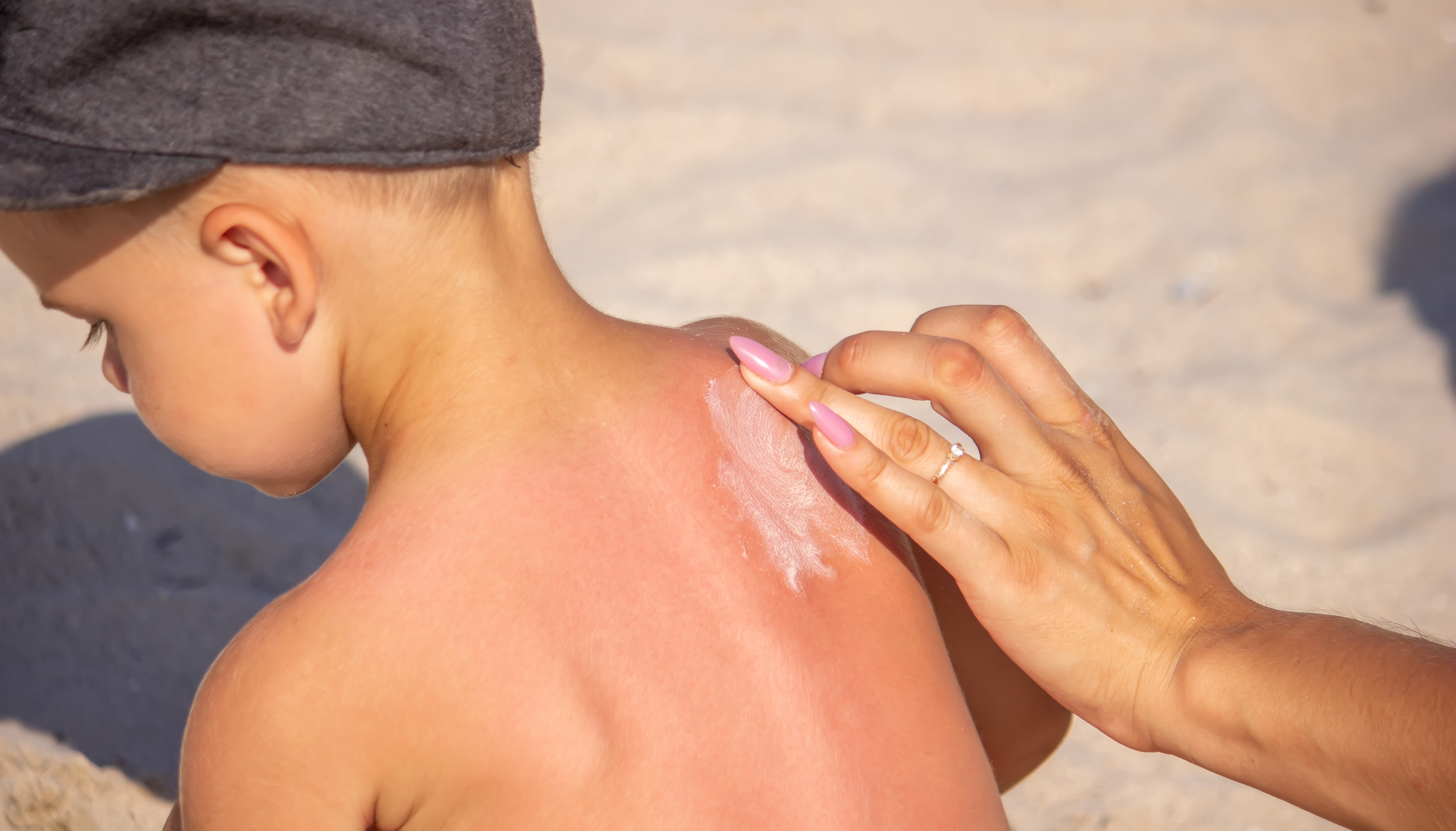
Paediatric skin conditions are common and may arise from infections, allergic reactions, impaired skin-barrier function and environmental irritants. Atopic dermatitis, eczema, fungal infections, impetigo and other inflammatory dermatoses can cause itching, redness, dryness, scaling and recurrent skin lesions. Persistent symptoms may interfere with sleep, school activities and quality of life. Since children's skin is more delicate and still developing, treatment requires careful consideration of age, disease severity, skin sensitivity and the risk of adverse effects.
Understanding Kushtha in Ayurveda
In Ayurveda, a broad range of dermatological conditions is described under Kushtha Roga, which is classified into Mahakushtha and Kshudrakushtha.1 Conditions, such as Vicharchika and Dadru are traditionally associated with manifestations resembling eczema and certain superficial fungal infections, respectively. Their clinical features may include Kandu (itching), Vaivarnya (discolouration), Pidaka (eruptions), Srava (discharge) and Rukshata (dryness).2 Ayurvedic descriptions associate these disorders with the involvement of Tridosha, particularly variations in Kapha and Pitta, along with disturbances involving Rakta Dhatu. Management traditionally aims to address the underlying Dosha imbalance and support skin health.
Khadira and its classical dermatological significance
Khadira (Acacia catechu [L.f.] Willd.) is a recognised medicinal plant in Ayurveda, particularly valued for its traditional use in skin disorders.3 It is described as having predominantly Kashaya Rasa (astringent taste), with properties that include Kushtaghna (traditionally indicated in skin diseases), Kandughna (itch-relieving) and Raktashodhaka (traditionally associated with blood purification). Classical Ayurvedic literature identifies Khadira as an important drug for Kushtha. Its use is also reflected in formulations such as Khadirarishta, Mahakhadira Ghrita and Khadirashtaka Kwatha. These preparations have traditionally been used in different skin-related conditions, although their composition and indications vary.
Exploring its phytochemical and pharmacological potential
The heartwood of Khadira contains several bioactive constituents, including catechin, epicatechin, quercetin and condensed tannins. These polyphenolic compounds have been investigated for antioxidant, antimicrobial and anti-inflammatory activities. Experimental research suggests that Khadira extracts may inhibit the growth of certain microorganisms and contribute to wound-healing processes. Its astringent properties have also been associated with the traditional use of the plant in conditions involving skin irritation and discharge.
These findings provide a pharmacological basis for further investigating Khadira in dermatological care. However, laboratory observations cannot establish clinical effectiveness in children. The concentration of active constituents, extraction method, formulation, route of administration and quality of the preparation may influence its biological activity and safety.
Evidence from clinical studies in skin disorders
Clinical research has explored Khadira-containing formulations in Vicharchika, an Ayurvedic condition commonly compared with eczema. A comparative clinical study involving 40 patients evaluated Khadirashtaka Kwatha against Navakarshaka Kwatha. Both groups showed improvements in symptoms associated with Vicharchika, although the Navakarshaka Kwatha group demonstrated a comparatively better response. Since the study evaluated compound formulations and was not specifically conducted in children, the findings do not establish the independent efficacy of Khadira or its paediatric safety.
Another study investigated Jalaukavacharana followed by Khadira-based treatment in Vicharchika. Such findings provide insight into the traditional use of Khadira as part of a broader Ayurvedic management approach, but they should not be interpreted as evidence for routine use in paediatric eczema.
Insights from paediatric case reports
Published paediatric case reports have described Ayurvedic treatment approaches for conditions such as atopic dermatitis and Dadru Kushtha.4 In one report involving a child with a tinea-like skin presentation, Khadira was administered as one component of a multi-ingredient oral formulation, alongside other internal medicines and external applications. Clinical improvement was reported after treatment. However, because several interventions were administered together, the specific contribution of Khadira cannot be determined.
Similarly, a paediatric case report on atopic dermatitis described a treatment regimen that included Khadir Ghrita along with other Ayurvedic medicines. The reported improvement offers preliminary clinical context but cannot establish efficacy through a single case.
Safety considerations in paediatric use
Children require particular attention when herbal preparations are considered for dermatological conditions. Safety may vary according to age, dosage, formulation, duration of use and route of administration. Topical preparations should be assessed for irritation and allergic reactions, while internal formulations require evaluation of ingredient quality, dosing and potential interactions. Preparations should be obtained from reliable sources and assessed for appropriate standardisation and contamination. Suspected bacterial or fungal infections, extensive skin involvement, fever, pain or rapidly worsening lesions require timely medical assessment. Khadira should not replace indicated antimicrobial treatment, prescribed eczema therapy or standard paediatric dermatological care.
Integrating traditional knowledge with evidence-based care
Khadira has a longstanding place in Ayurvedic dermatology, supported by classical indications and preliminary pharmacological research. Nevertheless, available clinical findings are largely based on adult studies, compound formulations and individual case reports. Well-designed paediatric trials are needed to determine its appropriate indications, formulation, dosage, effectiveness and long-term safety. Until stronger evidence is available, its role in childhood skin conditions should remain investigational and guided by qualified healthcare professionals.
Conclusion
Khadira is a traditionally important Ayurvedic medicinal plant with potential antimicrobial, antioxidant and anti-inflammatory properties relevant to skin health. Clinical studies and paediatric case reports provide preliminary insights into its use in selected dermatological conditions. However, current evidence is insufficient to establish Khadira as a standalone treatment for childhood skin disorders. Further age-specific clinical research and rigorous safety evaluation are essential to clarify its role in paediatric dermatological care.
References:
- Deshmukh S, Thakre T, Naukarkar PR, Pardhekar A. Ayurvedic Management of Kitibhakushta (Guttate Psoriasis) - A Case Report. J Pharm Bioallied Sci. 2024;16(Suppl 4):S4155-S4157. doi:10.4103/jpbs.jpbs_852_24. https://pmc.ncbi.nlm.nih.gov/articles/PMC11805209/
- Nair SV. Therapeutic efficacy of Jalaukavacharanam with internal Ayurvedic regimen in Dhatugata Kushta: a clinical case report based on Acharya Sushruta’s principles. J Ayurveda Integr Med Sci. 2025;10(7):306-310. doi:10.21760/jaims.10.7.47. https://jaims.in/jaims/article/view/4490/7891
- Bharti, Poonam Devi, Radha, Verma C, Rana S, Sabharwal S. Acacia catechu (Khadira): a comprehensive review of its traditional and modern therapeutic potential. J Ayurveda Integr Med Sci. 2026;11(5):309-316. doi:10.21760/jaims.11.5.44. https://jaims.in/jaims/article/view/6168/10995
- Patel AM, Bhinde SM, Kori VK. Management of Dadrukushtha (Tinea infection) through Ayurveda in a child: a case report. Res Rev J Ayurvedic Sci Yoga Naturopathy. 2023;10(3):1-5. doi:10.37591/RRJoASYN. https://www.researchgate.net/publication/377701645_Management_of_Dadrukushtha_Tinea_infection_Through_Ayurveda_in_a_Child_A_Case_Report