
Introduction
Wound infection is a major cause of delayed healing, leading to prolonged inflammation, tissue destruction, and increased healthcare burden. Successful wound management requires effective control of microbial growth while simultaneously promoting tissue repair. Ayurveda emphasizes both wound cleansing (Shodhana) and wound healing (Ropana) as essential therapeutic approaches. Among the medicinal plants recommended for wound care, Daruharidra occupies a prominent position due to its potent antimicrobial and anti-inflammatory properties.
Traditionally, Daruharidra has been used externally in the form of decoctions, pastes, and medicated oils for treating ulcers, infected wounds, and skin infections. Modern research has identified berberine as the principal bioactive compound responsible for many of its therapeutic effects.
Bioactive constituents and mechanisms of action
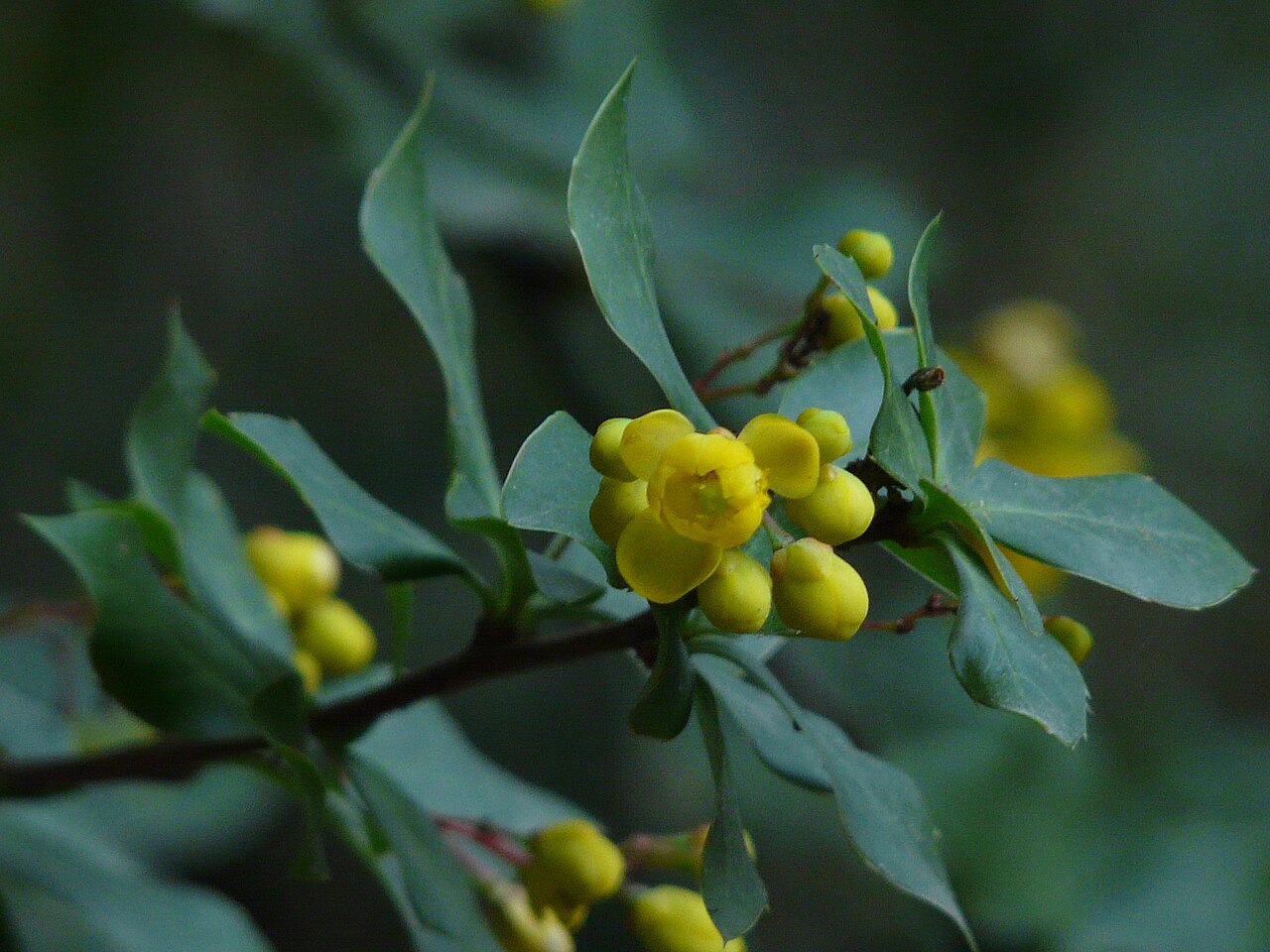
The pharmacological activity of Berberis aristata is mainly attributed to alkaloids such as berberine, berbamine, palmatine, and oxyacanthine. Among these, berberine has been extensively studied for its antimicrobial and wound-healing properties.1
Berberine exhibits broad-spectrum antibacterial activity against common wound pathogens including Staphylococcus aureus, Pseudomonas aeruginosa, and Escherichia coli. It disrupts bacterial cell membrane integrity, inhibits biofilm formation, and interferes with microbial replication. These actions help reduce microbial load and prevent persistent wound infection.
In addition to its antimicrobial effects, berberine possesses significant anti-inflammatory activity. It suppresses pro-inflammatory mediators such as TNF-α, IL-1β, IL-6, and NF-κB signaling pathways, thereby reducing tissue damage and facilitating progression from the inflammatory to the proliferative phase of wound healing.2 Experimental studies have further demonstrated antioxidant properties that protect regenerating tissues from oxidative stress-induced injury.
Role in wound healing
Daruharidra contributes to wound healing through multiple mechanisms. By controlling microbial colonization, it creates a favorable environment for tissue repair. Berberine has been shown to stimulate fibroblast proliferation, collagen deposition, and angiogenesis, promoting granulation tissue formation and wound contraction.3 These effects accelerate re-epithelialization and improve the structural integrity of healing tissues.
The herb also exhibits immunomodulatory activity, enhancing the body's defense mechanisms against infection while minimizing excessive inflammatory responses. Such dual action is particularly valuable in chronic and infected wounds where persistent inflammation often impairs healing.
Clinical relevance
Although most evidence currently comes from experimental and preclinical studies, available data suggest that Daruharidra may be beneficial in the management of infected ulcers, diabetic wounds, postoperative wound infections, and chronic non-healing wounds. Its broad-spectrum antimicrobial activity is particularly relevant in the era of increasing antibiotic resistance.4 Furthermore, topical formulations containing berberine have shown promising wound-healing effects with a favorable safety profile.
Recent advances in pharmaceutical research have explored berberine-loaded hydrogels, nanofibers, and bioactive wound dressings that provide sustained drug release and enhanced wound healing efficacy. These innovations may facilitate the integration of Daruharidra into modern wound-care strategies.
Conclusion
Berberis aristata (Daruharidra) is a scientifically promising Ayurvedic medicinal plant with significant potential in the management of infected wounds. Its principal alkaloid, berberine, exhibits potent antimicrobial, anti-inflammatory, antioxidant, and tissue-regenerative activities that address multiple factors responsible for delayed wound healing. By reducing microbial burden, modulating inflammation, and promoting tissue repair, Daruharidra represents a valuable natural therapeutic option for infected wound care. Further clinical trials are needed to establish standardized formulations and confirm its efficacy in diverse wound conditions.
Reference:
- Imenshahidi M, Hosseinzadeh H. Berberis Vulgaris and Berberine: An Update Review. Phytother Res. 2016 Nov;30(11):1745-1764. doi: 10.1002/ptr.5693. Epub 2016 Aug 16. PMID: 27528198. https://pubmed.ncbi.nlm.nih.gov/27528198/
- Wang W, Zhao Y, Wang Z, Wang C, Bi L, Wang Y. Thlaspi arvense suppresses gut microbiota related TNF inflammatory pathway to alleviates ulcerative colitis. Front Immunol. 2025;16:1537325. Published 2025 Apr 22. doi:10.3389/fimmu.2025.1537325 https://pmc.ncbi.nlm.nih.gov/articles/PMC12053237/
- Akhter MH, Al-Keridis LA, Saeed M, et al. Enhanced drug delivery and wound healing potential of berberine-loaded chitosan-alginate nanocomposite gel: characterization and in vivo assessment. Front Public Health. 2023;11:1238961. Published 2023 Dec 27. doi:10.3389/fpubh.2023.1238961 https://pmc.ncbi.nlm.nih.gov/articles/PMC10790630/
- Salehi B, Selamoglu Z, Sener B, et al. Berberis Plants-Drifting from Farm to Food Applications, Phytotherapy, and Phytopharmacology. Foods. 2019;8(10):522. Published 2019 Oct 22. doi:10.3390/foods8100522 https://pmc.ncbi.nlm.nih.gov/articles/PMC6836240/