
Introduction
Pneumonia is an acute infectious condition characterized by inflammation of the lung parenchyma. A significant proportion of affected individuals require hospitalization, with a subset progressing to intensive care unit admission due to complications such as sepsis, septic shock, and acute respiratory distress syndrome. Pneumonia is classified based on epidemiological setting, etiology, and site of infection. 1
Based on acquisition patterns, pneumonia is categorized into community-acquired, hospital-acquired, healthcare-associated, and aspiration pneumonia. This classification reflects differences in exposure risk, pathogen profile, and clinical severity.
Disease burden and inflammatory response
Pneumonia is associated with a strong systemic inflammatory response, which contributes to disease severity and clinical complications. Excessive inflammation plays a central role in progression to respiratory failure and multi-organ involvement. In this context, adjunctive anti-inflammatory approaches are considered relevant as they may help modulate exaggerated systemic responses while preserving beneficial local immune activity.
Reducing inflammatory burden is also associated with improved clinical recovery and potential reduction in hospitalization duration. Supportive therapeutic strategies that modulate inflammation may therefore contribute to improved outcomes in pneumonia management. 2
Adjunctive anti-inflammatory strategy in pneumonia
Adjunctive therapy targeting inflammatory pathways is considered beneficial in community-acquired pneumonia, particularly in reducing complications arising from excessive systemic inflammatory activation. The therapeutic objective is to achieve immune balance without suppressing essential host defense mechanisms.
Herbal agents with anti-inflammatory properties are recognized within this supportive framework, with potential utility in reducing inflammatory biomarkers and improving clinical recovery timelines.
Therapeutic relevance of Zingiber officinale var. rubrum
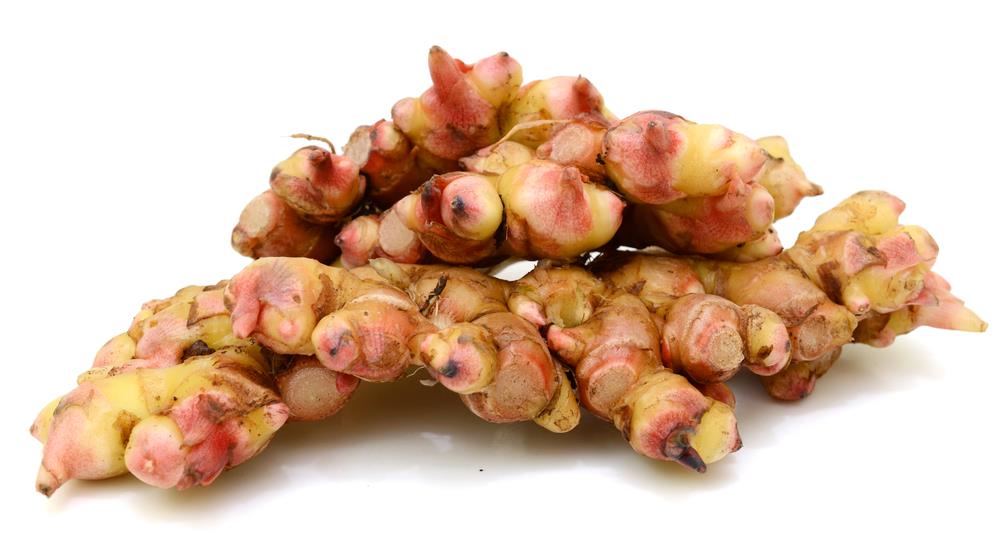
Zingiber officinale var. rubrum is widely used both as a culinary spice and in traditional therapeutic systems. It contains higher concentrations of oleoresin and essential oils compared to other ginger varieties, contributing to its enhanced biological activity.
Its pharmacological profile includes:
- Anti-inflammatory activity
- Anti-apoptotic effects
- Antiemetic properties
- Antitumor potential
- Antilipidemic effects
- Immunomodulatory activity
These properties support its role in modulating inflammatory and immune responses in infectious conditions such as pneumonia.
Inflammatory modulation and clinical indicators
The use of Zingiber officinale var. rubrum is associated with suppression of inflammatory responses in pneumonia, with measurable effects on key biomarkers of systemic inflammation. These include:
- Interleukin-6 (IL-6)
- Procalcitonin
- Neutrophil-lymphocyte ratio (NLR)
Regular administration has been associated with reductions in serum inflammatory markers, particularly procalcitonin and NLR, in community-acquired pneumonia cases. These changes reflect modulation of systemic inflammatory activity and support improved clinical stabilization.
Therapeutic positioning in pneumonia management
In pneumonia management, Zingiber officinale var. rubrum is considered as a supportive adjunct that complements standard care by targeting inflammatory dysregulation. Its immunomodulatory and anti-inflammatory properties contribute to improved inflammatory balance, which is a key determinant of disease severity and recovery trajectory.
Its integration into supportive therapeutic strategies is aligned with the goal of reducing inflammatory burden while assisting clinical recovery and potentially shortening hospitalization duration.
Conclusion
Pneumonia is a high-burden respiratory infection characterized by significant inflammatory activation and risk of systemic complications. Adjunctive modulation of inflammation plays a critical role in improving outcomes. Zingiber officinale var. rubrum, with its potent anti-inflammatory and immunomodulatory properties, demonstrates relevance as a supportive agent in reducing inflammatory markers and aiding clinical recovery in pneumonia, particularly in community-acquired cases.3,4
References:
1. Torres A, Cilloniz C, Niederman MS, et al. Pneumonia. Nat Rev Dis Primers. 2021;7(1):25. Published 2021 Apr 8. doi:10.1038/s41572-021-00259-0. https://www.nature.com/articles/s41572-021-00259-0
2. Metlay JP, Waterer GW, Long AC, et al. Diagnosis and Treatment of Adults with Community-acquired Pneumonia. An Official Clinical Practice Guideline of the American Thoracic Society and Infectious Diseases Society of America. Am J Respir Crit Care Med. 2019;200(7):e45-e67. doi:10.1164/rccm.201908-1581ST. https://pmc.ncbi.nlm.nih.gov/articles/PMC6812437/
3. Ghasemzadeh A, Jaafar HZ, Rahmat A. Variation of the Phytochemical Constituents and Antioxidant Activities of Zingiber officinale var. rubrum Theilade Associated with Different Drying Methods and Polyphenol Oxidase Activity. Molecules. 2016;21(6):780. Published 2016 Jun 17. doi:10.3390/molecules21060780. https://pmc.ncbi.nlm.nih.gov/articles/PMC6273533/
4. Reviono R, Hapsari BD, Sutanto YS, et al. Effectiveness of Zingiber officinale to reduce inflammation markers and the length of stay of patients with community-acquired pneumonia: An open-label clinical trial. Narra J. 2023;3(1):e142. doi:10.52225/narra.v3i1.142. https://pmc.ncbi.nlm.nih.gov/articles/PMC10914047/#s5