
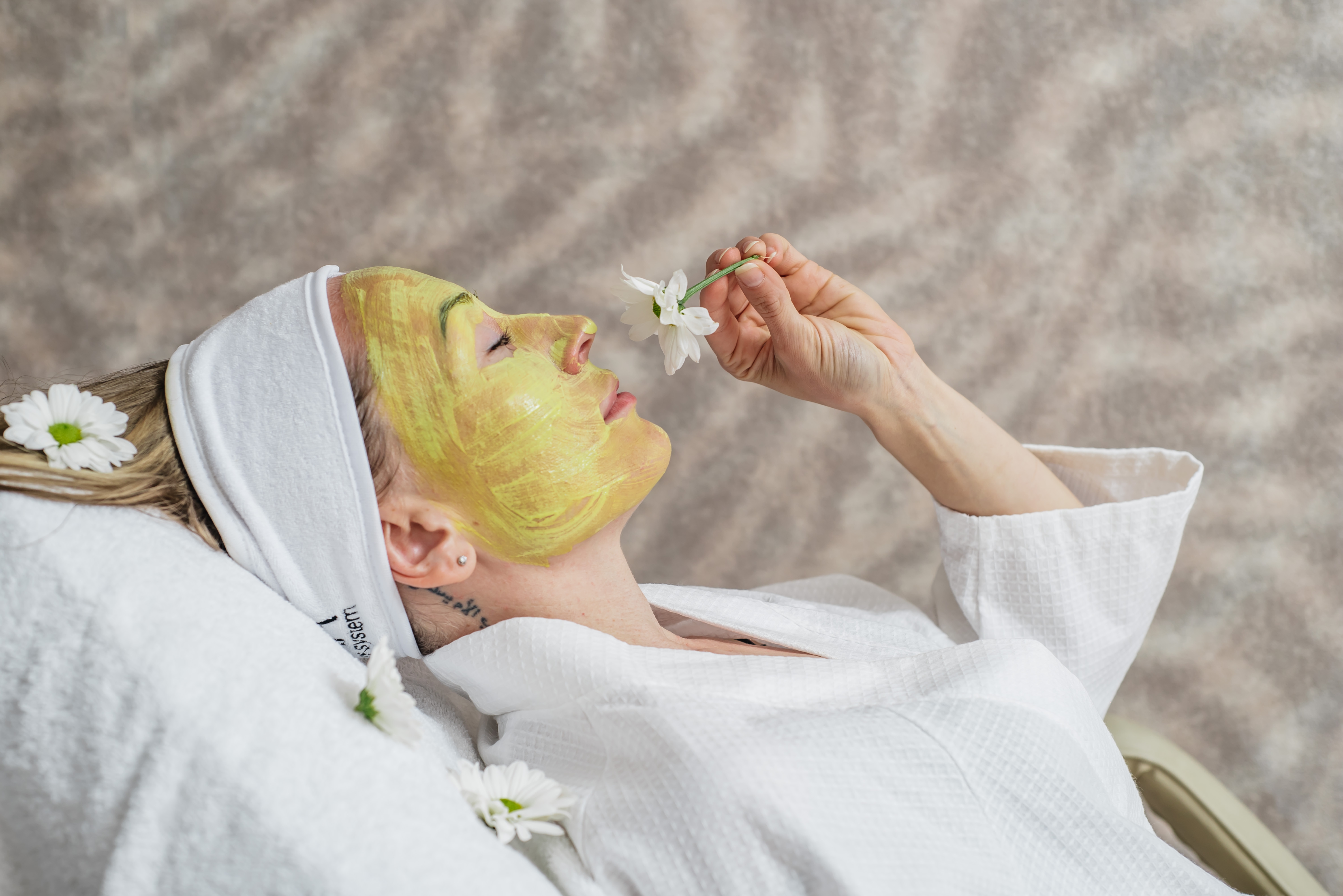
Skin health and appearance are influenced by ageing, environmental exposure, oxidative stress, inflammation, hormonal changes and lifestyle factors. In Ayurveda, healthy and radiant skin is associated with Twak Prasadana (skin clarity and radiance), proper tissue nourishment and balanced Doshas. Varnya herbs are a group of medicinal plants traditionally described for their ability to improve skin complexion, support skin health and promote natural radiance. The term Varnya refers to substances that enhance skin complexion and improve its appearance. These herbs have gained attention in modern dermatological research because of their antioxidant, anti-inflammatory, antimicrobial and skin-protective properties. Their potential role in skin rejuvenation is being explored through traditional formulations and contemporary topical preparations.
Understanding Varnya herbs in Ayurveda
In Ayurveda, Varnya herbs are primarily associated with improving skin complexion, reducing uneven pigmentation and maintaining skin health. They are described in classical Ayurvedic literature, particularly in the Varnya Mahakashaya of Charaka Samhita. These herbs are traditionally used in different preparations, including herbal pastes (Lepa), oils, decoctions and formulations intended for external and internal use.1
Skin rejuvenation from an Ayurvedic perspective involves maintaining skin nourishment, supporting natural repair processes and preserving skin texture and radiance. Varnya herbs are believed to contribute to these processes through their individual pharmacological properties.
Important Varnya herbs and their potential benefits
Several medicinal plants are traditionally recognised for their Varnya properties.
Chandana (Santalum album):
Chandana, or sandalwood, is traditionally used for its cooling and skin-soothing properties. Its major constituents, particularly alpha-santalol and beta-santalol, have demonstrated anti-inflammatory and antioxidant activities.2 Sandalwood preparations are used in topical formulations to soothe irritated skin and support a healthy skin appearance. However, clinical evidence for their anti-ageing effects remains limited.
Manjistha (Rubia cordifolia):
Manjistha is widely used in Ayurveda for skin health and complexion enhancement. It contains bioactive compounds such as alizarin, purpurin and other anthraquinones. Experimental studies suggest antioxidant and anti-inflammatory activities that may help protect skin cells against oxidative stress. Its traditional use also includes supporting skin health in inflammatory conditions, although robust clinical evidence is needed.3
Sariva (Hemidesmus indicus):
Sariva, commonly known as Indian sarsaparilla, is traditionally valued for its cooling and skin-supportive properties. It contains compounds such as hemidesmin and other phenolic constituents. Preclinical research indicates antioxidant and anti-inflammatory potential, which may contribute to its traditional application in maintaining skin health.
Yashtimadhu (Glycyrrhiza glabra):
Yashtimadhu, or licorice, is an important medicinal herb with potential dermatological applications. Its active constituents include glabridin, liquiritin and glycyrrhizin. Glabridin has demonstrated tyrosinase-inhibitory activity, suggesting a possible role in regulating melanin production and improving the appearance of hyperpigmentation. Its anti-inflammatory and antioxidant properties may also support skin protection.4
Padmaka (Prunus cerasoides):
Padmaka is traditionally included in Ayurvedic skin-care preparations for its complexion-enhancing properties. It contains phenolic compounds and flavonoids that may contribute to antioxidant activity. Its traditional use focuses on improving skin appearance and maintaining skin health, although specific clinical evidence remains limited.
Usheera (Vetiveria zizanioides):
Usheera, commonly known as vetiver, is traditionally used for its cooling and soothing properties. Its essential oil contains compounds such as khusimol and vetivones. It is used in topical preparations for skin freshness and comfort. Further research is required to establish its effectiveness in skin rejuvenation.
Mechanisms of action in skin rejuvenation
The potential skin-rejuvenating effects of Varnya herbs may involve several biological mechanisms:
- Antioxidant activity: Plant-derived polyphenols and flavonoids may neutralise reactive oxygen species (ROS), helping protect skin cells against oxidative damage associated with environmental exposure and ageing
- Anti-inflammatory effects: Certain phytochemicals may modulate inflammatory pathways, potentially reduce skin irritation and support normal skin function
- Regulation of melanogenesis: Compounds such as glabridin in licorice may inhibit tyrosinase activity, influence melanin synthesis and helping improve the appearance of uneven pigmentation
- Skin barrier support: Some herbal preparations may provide emollient and soothing effects, helping maintain skin hydration and barrier function.
- Tissue repair: Experimental evidence suggests that selected plant extracts may influence wound-healing and tissue-repair processes, although their effects on collagen synthesis and skin elasticity require further clinical validation
Applications in contemporary skincare
Varnya herbs are increasingly incorporated into traditional and modern skincare formulations. Common applications include:
- Herbal face packs: Sandalwood, Manjistha and licorice are used in topical pastes intended to improve skin appearance
- Herbal creams and serums: Standardised extracts may be incorporated into formulations targeting uneven pigmentation and oxidative stress
- Herbal oils: Selected plant-derived oils are used for moisturising and supporting skin comfort
- Ayurvedic formulations: Combinations of Varnya herbs are used in traditional skincare regimens based on individual skin requirements
The choice of formulation, concentration, quality of herbal extracts and method of application can influence both efficacy and tolerability.
Conclusion
Varnya herbs offer an interesting approach to skin rejuvenation by combining traditional Ayurvedic knowledge with emerging evidence on antioxidant, anti-inflammatory and pigmentation-modulating activities.5 Herbs such as Chandana, Manjistha, Sariva, Yashtimadhu, Padmaka and Usheera have potential applications in contemporary skincare formulations. However, their clinical benefits require further validation through standardised preparations and controlled human studies. Integrating evidence-based herbal skincare with appropriate moisturisation, sun protection and healthy lifestyle practices may support overall skin health.
Reference
- Gupta, Divya & Pandey, Sanjay & Pathak, Richa. (2026). Clinical Evaluation of Varnya Mahakashaya Face Serum with Mukta Pishti in the Management of Vyanga (Melasma): An Open-Label Clinical Trial. Journal of Ayurveda and Integrated Medical Sciences. 11. 47-54. 10.21760/jaims.11.8.7. https://www.researchgate.net/publication/414726105
- Sharma B. Ayurvedic guide to sandalwood: skin benefits, uses & side effects. Maharishi Ayurveda. August 12, 2026. https://maharishiayurvedaindia.com/blogs/wellness-need/sandalwood-ayurvedic-benefits-uses-side-effects?srsltid=AYCX9vJhpOAZsa53i3fOgusqlqVfY-P0ltoKwh-RTs6rme6eMXG9vRwx
- Kumari, Isha & Kaurav, Hemlata & Choudhary, Gitika. (2021). Rubia cordifolia (Manjishtha): A review based upon its Ayurvedic and Medicinal uses. Himalayan Journal of Health Sciences. 17-28. 10.22270/hjhs.v6i2.96. https://www.researchgate.net/publication/353269785
- Sharma V, Katiyar A, Agrawal RC. Glycyrrhiza glabra: Chemistry and Pharmacological Activity. Sweeteners. 2017;87-100. Published 2017 Jul 31. doi:10.1007/978-3-319-27027-2_21 https://pmc.ncbi.nlm.nih.gov/articles/PMC7124151/
- Sharma K, Joshi N, Goyal C. Critical review of Ayurvedic Varṇya herbs and their tyrosinase inhibition effect. Anc Sci Life. 2015;35(1):18-25. doi:10.4103/0257-7941.165627 https://pmc.ncbi.nlm.nih.gov/articles/PMC4623628/