
Introduction
Musculoskeletal pain encompasses a broad range of disorders affecting bones, joints, muscles, ligaments, and connective tissues. Conditions such as osteoarthritis, rheumatoid arthritis, cervical spondylosis, lumbar spondylosis, and tendinopathies are frequently associated with persistent pain and impaired mobility.1 Long-term use of conventional analgesics and anti-inflammatory drugs may result in adverse effects, prompting interest in safer complementary therapies.
Ayurveda describes Guggulu as one of the most valuable medicinal substances for disorders involving pain, inflammation, and degeneration. Classical formulations such as Yogaraja Guggulu, Mahayogaraja Guggulu, Kaishora Guggulu, and Simhanada Guggulu are extensively used in musculoskeletal diseases. Modern pharmacological investigations support these traditional applications, making Guggulu a significant herbal intervention in integrative pain management.
Pharmacological basis of guggulu
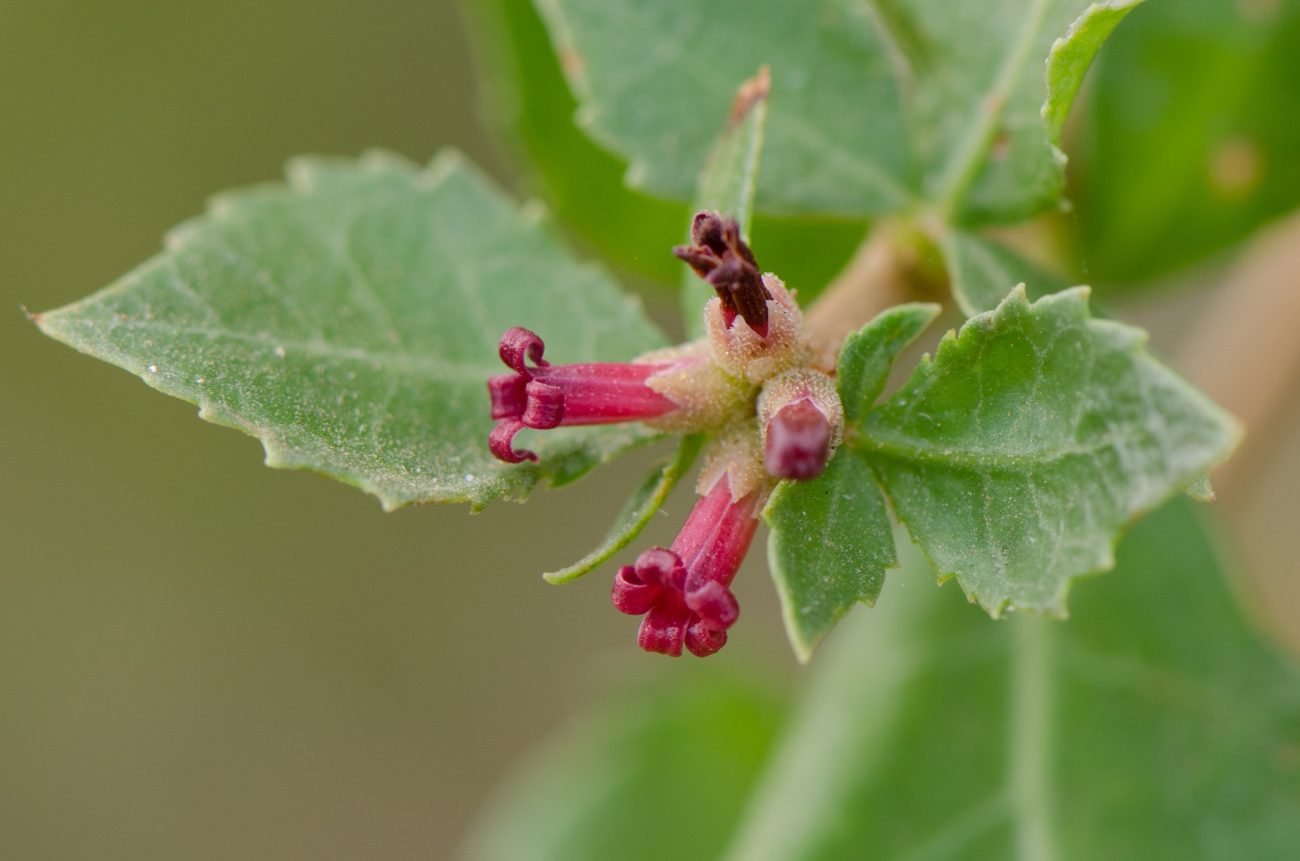
The therapeutic properties of Commiphora mukul are primarily attributed to bioactive compounds including guggulsterones (E- and Z-guggulsterone), terpenoids, steroids, flavonoids, and essential oils. These constituents exhibit potent anti-inflammatory and antioxidant activities.
Guggulsterones suppress inflammatory pathways by modulating nuclear factor-kappa B (NF-κB), cyclooxygenase (COX), and pro-inflammatory cytokines such as TNF-α and IL-1β. This results in reduced inflammation, swelling, and pain in affected joints and tissues. Antioxidant activity further protects musculoskeletal structures from oxidative stress-induced degeneration.
Role in musculoskeletal pain management
Anti-inflammatory activity:
Chronic inflammation is a hallmark of many musculoskeletal disorders. Experimental studies have demonstrated that Guggulu effectively inhibits inflammatory mediators, thereby reducing joint swelling, tenderness, and stiffness. This effect is particularly beneficial in inflammatory arthropathies such as rheumatoid arthritis.
Analgesic effects:
Guggulu possesses significant analgesic activity that helps alleviate chronic musculoskeletal pain. By reducing inflammatory sensitization and modulating pain pathways, it contributes to improved patient comfort and functional mobility.
Joint protection and tissue support:
Emerging evidence suggests that Guggulu may help preserve cartilage integrity and support connective tissue health. Its antioxidant properties protect tissues from free radical damage, while its anti-inflammatory actions help slow disease progression in degenerative joint disorders.2
Immunomodulatory action:
In autoimmune conditions such as Amavata (rheumatoid arthritis), Guggulu demonstrates immunomodulatory effects that may help regulate abnormal inflammatory responses. This contributes to long-term disease management and symptom control.
Clinical Applications
Guggulu is widely used in the management of:
- Osteoarthritis (Sandhivata)
- Rheumatoid arthritis (Amavata)
- Sciatica (Gridhrasi)
- Low back pain (Katishoola)
- Cervical spondylosis (Manyastambha)
- Frozen shoulder (Avabahuka)
- Chronic inflammatory joint disorders
Conclusion
Guggulu (Commiphora mukul) is a cornerstone Ayurvedic remedy for musculoskeletal pain management.3 Through its anti-inflammatory, analgesic, antioxidant, and immunomodulatory activities, it addresses multiple pathological mechanisms involved in chronic musculoskeletal disorders. Traditional Ayurvedic experience, supported by modern pharmacological research, highlights its value as a natural therapeutic option for improving pain, mobility, and quality of life. Further high-quality clinical trials are needed to optimize dosage, formulation, and therapeutic protocols.
Reference:
- El-Tallawy SN, Nalamasu R, Salem GI, LeQuang JAK, Pergolizzi JV, Christo PJ. Management of Musculoskeletal Pain: An Update with Emphasis on Chronic Musculoskeletal Pain. Pain Ther. 2021;10(1):181-209. doi:10.1007/s40122-021-00235-2 https://pmc.ncbi.nlm.nih.gov/articles/PMC8119532/
- Kunnumakkara AB, Banik K, Bordoloi D, et al. Googling the Guggul (Commiphora and Boswellia) for Prevention of Chronic Diseases. Front Pharmacol. 2018;9:686. Published 2018 Aug 6. doi:10.3389/fphar.2018.00686 https://pmc.ncbi.nlm.nih.gov/articles/PMC6087759/
- Kachare K, Makhija D, Sharma A, et al. Evaluation of Yograj Guggulu, Ashwagandha Churna and Narayana Taila in management of Osteoarthritis Knee: A study in tribal dominant community. J Ayurveda Integr Med. 2025;16(2):101077. doi:10.1016/j.jaim.2024.101077 https://pmc.ncbi.nlm.nih.gov/articles/PMC12023793/