
Introduction
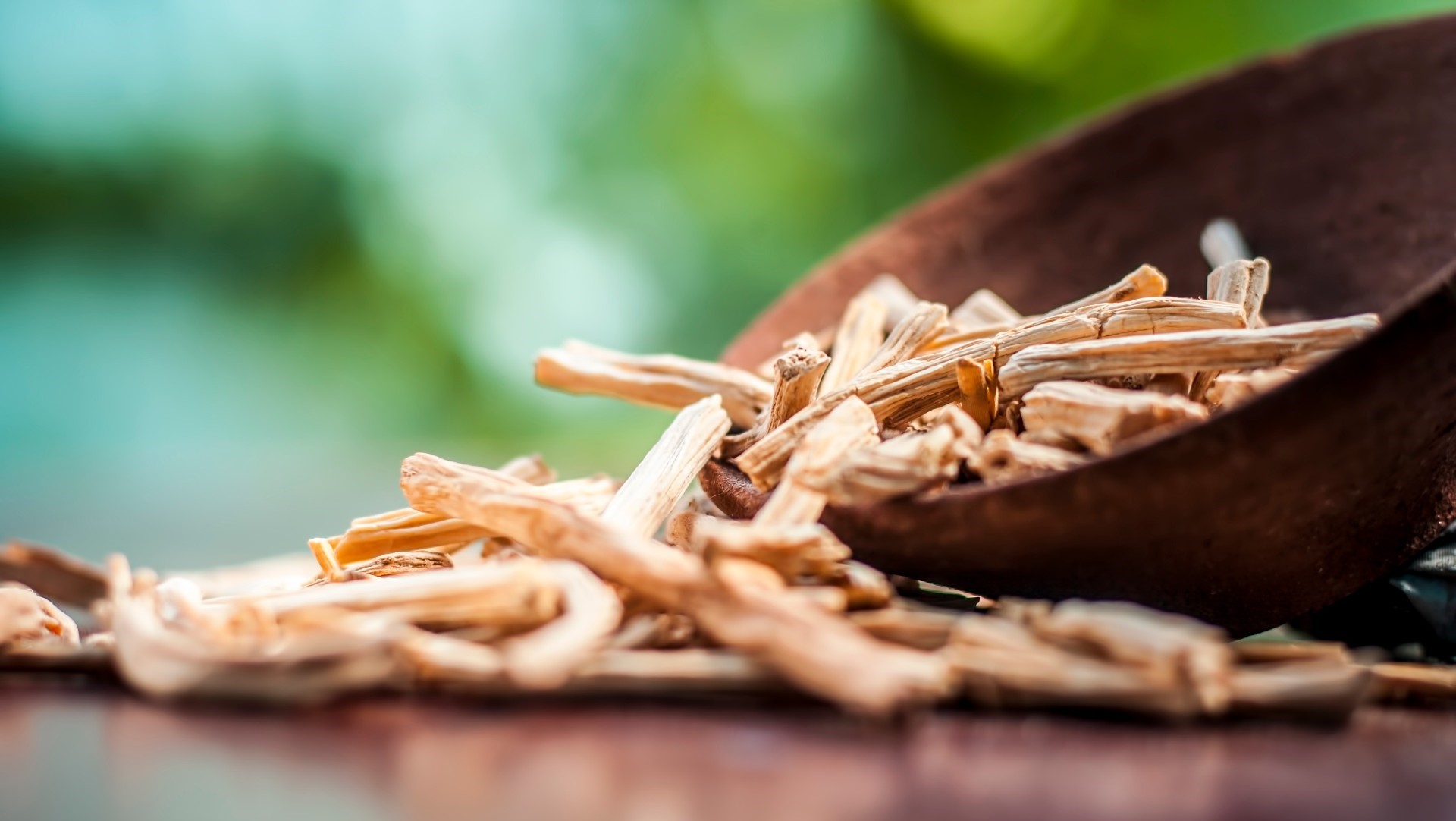
Perimenopause and menopause represent physiological transitions associated with hormonal changes that lead to somato-vegetative, psychological, and urogenital symptoms. Common manifestations include hot flashes, night sweats, insomnia, anxiety, irritability, mood changes, and reduced quality of life. Conventional hormonal therapy is used for symptom management; however, concerns related to adverse effects contribute to increasing interest in plant-based alternatives. Shatavari (Asparagus racemosus Willd.), a classical Ayurvedic herb, is traditionally used in women’s health for hormonal balance and systemic support.
Clinical relevance of Shatavari in perimenopausal conditions
Oral use of Shatavari root extract in perimenopausal populations is associated with evaluation across standardized symptom and quality-of-life scales, along with hormonal and safety parameters.
Observed clinical associations include:
- Changes in somato-vegetative symptoms such as hot flashes
- Variation in psychological symptoms including anxiety, irritability, and mood change
- Changes in urogenital symptoms including vaginal dryness and libido-related parameters
- Changes in sleep-related disturbances such as insomnia
- Variation in stress-related parameters assessed through standardized scoring systems
- Changes in fatigue and energy-related parameters
Hormonal and physiological parameters
Clinical assessment parameters include endocrine markers and systemic physiological indicators. Observed associations include:
- Changes in estradiol levels
- Changes in follicle-stimulating hormone levels
- Changes in thyroid-related parameters
- Monitoring of liver and kidney safety parameters without reported alterations
Quality-of-life considerations
Perimenopausal and menopausal symptom clusters contribute to reduced functional and psychological well-being. Standardized quality-of-life assessments reflect symptom burden across physical, emotional, and social domains. Changes in these parameters are considered in relation to symptom variation during Shatavari administration.
Ayurvedic therapeutic relevance
In Ayurveda, Shatavari is referenced in the context of women’s reproductive health and systemic nourishment. Its traditional role is associated with support during hormonal transitions and maintenance of physiological balance in female reproductive health.
Key therapeutic associations include:
- Support in reproductive system balance
- Use in hormonal transition-related symptom patterns
- Association with stress and mood regulation in women’s health contexts
- Relevance in systemic vitality during perimenopausal stages
Conclusion
Shatavari (Asparagus racemosus Willd.) is associated with changes in perimenopausal symptom patterns, quality-of-life parameters, and hormonal markers, along with reported safety assessments within physiological ranges during clinical use in women’s health contexts. 1,2
References:
- Mahajan S, Avad P, Langade J. Efficacy and Safety of Shatavari (Asparagus racemosus) Root Extract for Perimenopause: Randomized, Double-Blind, Placebo-Controlled Study. Int J Womens Health. 2025;17:4057-4073. Published 2025 Nov 3. doi:10.2147/IJWH.S544267. https://pmc.ncbi.nlm.nih.gov/articles/PMC12593836/
- Gudise VS, Dasari MP, Kuricheti SSK. Efficacy and Safety of Shatavari Root Extract for the Management of Menopausal Symptoms: A Double-Blind, Multicenter, Randomized Controlled Trial. Cureus. 2024;16(4):e57879. Published 2024 Apr 8. doi:10.7759/cureus.57879. https://pmc.ncbi.nlm.nih.gov/articles/PMC11079574/