
Introduction
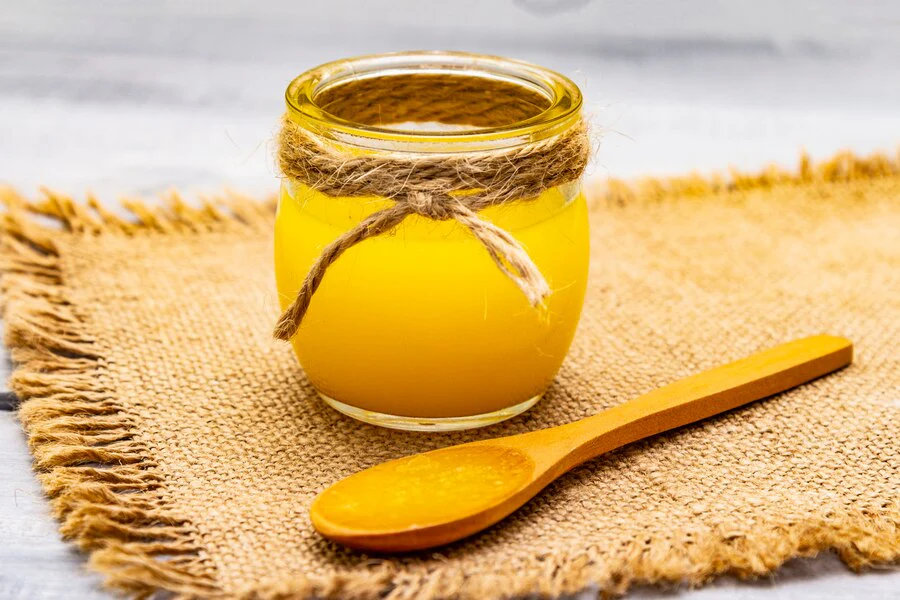
Women's reproductive health encompasses menstrual function, fertility, pregnancy, postpartum recovery, and menopausal well-being, all of which are influenced by hormonal regulation, nutritional status, metabolic balance, and psychological health. Disorders such as infertility, menstrual irregularities, polycystic ovary syndrome (PCOS), endometriosis, recurrent pregnancy loss, and menopausal symptoms are increasingly prevalent and often require long-term, holistic management. Chronic stress, unhealthy lifestyle practices, inflammatory conditions, and endocrine dysfunction can adversely affect reproductive function and fertility outcomes. Ayurveda places special emphasis on preserving reproductive vitality through Rasayana therapy and Sneha Chikitsa (oleation therapy), recognizing the importance of nourishment, tissue rejuvenation, and systemic balance. Among lipid-based therapeutic preparations, Ghrita (clarified butter) is regarded as one of the most valuable Sneha Dravyas because of its nourishing, rejuvenative, and Yogavahi (carrier) properties, enabling the delivery of herbal bioactives deep into body tissues. Medicated ghee preparations, collectively known as Ghrita Kalpana, are extensively used in Ayurvedic gynecological practice to support hormonal balance, enhance fertility, nourish reproductive tissues, improve pregnancy outcomes, and promote overall reproductive health. Classical formulations such as Phala Ghrita, Shatavari Ghrita, Ashwagandha Ghrita, Sukumara Ghrita, and Kalyanaka Ghrita have long been employed in the management of female reproductive disorders.1 Modern scientific investigations suggest that ghee-based formulations may enhance the absorption and bioavailability of lipophilic phytochemicals, provide antioxidant and anti-inflammatory benefits, support endocrine function, and contribute to reproductive health. These properties support the traditional Ayurvedic view of medicated ghee preparations as valuable therapeutic tools for maintaining and restoring women's reproductive wellness across different stages of life.
Ayurvedic perspective
According to Ayurvedic classics, Ghrita possesses:
- Madhura Rasa (sweet taste)
- Sheeta Virya (cool potency)
- Madhura Vipaka
- Snigdha and Guru Guna (unctuous and nourishing qualities)
- Rasayana (rejuvenative)
- Medhya (supports mental health)
- Vata-Pitta Shamaka action
These attributes make Ghrita particularly beneficial in disorders involving tissue depletion, hormonal imbalance, infertility, and reproductive weakness.
Importance of Ghrita in reproductive health
Nourishment of reproductive tissues:
Ayurveda describes Shukra and Artava Dhatu as highly refined tissues that require optimal nutrition. Ghrita provides deep nourishment and supports healthy tissue development.
Enhancing herbal delivery:
The lipid-soluble nature of ghee facilitates the absorption and transport of bioactive compounds across biological membranes, improving therapeutic efficacy.
Hormonal and endocrine support:
Many herbs incorporated into medicated ghee formulations possess phytoestrogenic, adaptogenic, and endocrine-regulating properties that help maintain reproductive balance.
Antioxidant and anti-inflammatory effects:
Medicated Ghritas contain herbal antioxidants that reduce oxidative stress and inflammation, factors implicated in infertility, PCOS, and endometriosis.
Important Ghrita preparations in women's health
Phala Ghrita:
One of the most renowned Ayurvedic formulations for infertility and reproductive debility. It is traditionally prescribed to improve conception rates, support ovulation, and enhance uterine health.
Shatavari Ghrita:
Prepared with Shatavari (Asparagus racemosus), this formulation is widely used for menstrual irregularities, fertility enhancement, pregnancy support, and menopausal symptoms.
Ashwagandha Ghrita:
Contains Ashwagandha (Withania somnifera) and is valued for its adaptogenic, anti-stress, and reproductive-supportive properties, particularly in stress-related infertility.
Sukumara Ghrita:
Traditionally indicated in gynecological disorders involving Vata imbalance, dysmenorrhea, constipation, pelvic discomfort, and reproductive dysfunction.
Kalyanaka Ghrita:
Known for its Medhya and Rasayana properties, Kalyanaka Ghrita is often used when psychological stress and emotional disturbances contribute to reproductive disorders.
Clinical applications
Female infertility:
Medicated Ghritas are frequently used to improve reproductive tissue nourishment, support ovulation, and enhance fertility outcomes.
Polycystic ovary syndrome (PCOS):
Ghrita-based formulations containing Shatavari, Guduchi, and other herbs may help regulate metabolism, reduce inflammation, and support hormonal balance.
Endometriosis:
Anti-inflammatory and antioxidant herbs delivered through Ghrita preparations may assist in managing pelvic pain and reproductive inflammation.
Menstrual disorders:
Traditional formulations are used in dysmenorrhea, oligomenorrhea, menorrhagia, and irregular menstrual cycles.
Menopausal health:
Phytoestrogen-rich Ghrita preparations help alleviate menopausal symptoms and support long-term reproductive wellness.
Vulvovaginal atrophy:
Sukumara ghrita is described as rasayana in Ayurveda. It contains Punarnava (Boerhavia diffusa) as the main ingredient, specifically advocated for treating conditions within the vasti desa.2
Modern scientific perspective
Recent research highlights that ghee acts as an effective lipid carrier, enhancing the absorption of lipophilic phytochemicals such as curcuminoids, withanolides, and steroidal saponins. Additionally, medicated Ghritas demonstrate antioxidant, anti-inflammatory, neuroendocrine-modulating, and tissue-protective activities, supporting their traditional therapeutic applications.
Conclusion
Medicated Ghrita preparations represent a cornerstone of Ayurvedic reproductive healthcare. Through their nourishing, rejuvenative, anti-inflammatory, and bioavailability-enhancing properties, these formulations provide a holistic approach to managing infertility, menstrual disorders, PCOS, endometriosis, and menopausal symptoms. Classical preparations such as Phala Ghrita, Shatavari Ghrita, Ashwagandha Ghrita, Sukumara Ghrita, and Kalyanaka Ghrita continue to hold significant clinical relevance. Further scientific investigation and clinical trials are needed to validate their efficacy and establish evidence-based protocols for integrative women's healthcare.
Reference:
- Varsakiya JN, Goyal M, Thakar A, Donga S, Kathad D. Efficacy of Virechana (therapeutic purgation) followed by Go-Ghrita (cow ghee) in the management of Ksheena Shukra (oligozoospermia): A clinical study. Ayu. 2019;40(1):27-33. doi:10.4103/ayu.AYU_275_18 https://pmc.ncbi.nlm.nih.gov/articles/PMC6891991/
- Surendran ES, Balakrishnan P, Raj LS. Case series on the effect of ayurvedic medications in the management of symptoms of vulvovaginal atrophy in postmenopausal women. J Ayurveda Integr Med. 2025;16(6):101197. doi:10.1016/j.jaim.2025.101197 https://pmc.ncbi.nlm.nih.gov/articles/PMC12552147/