Introduction
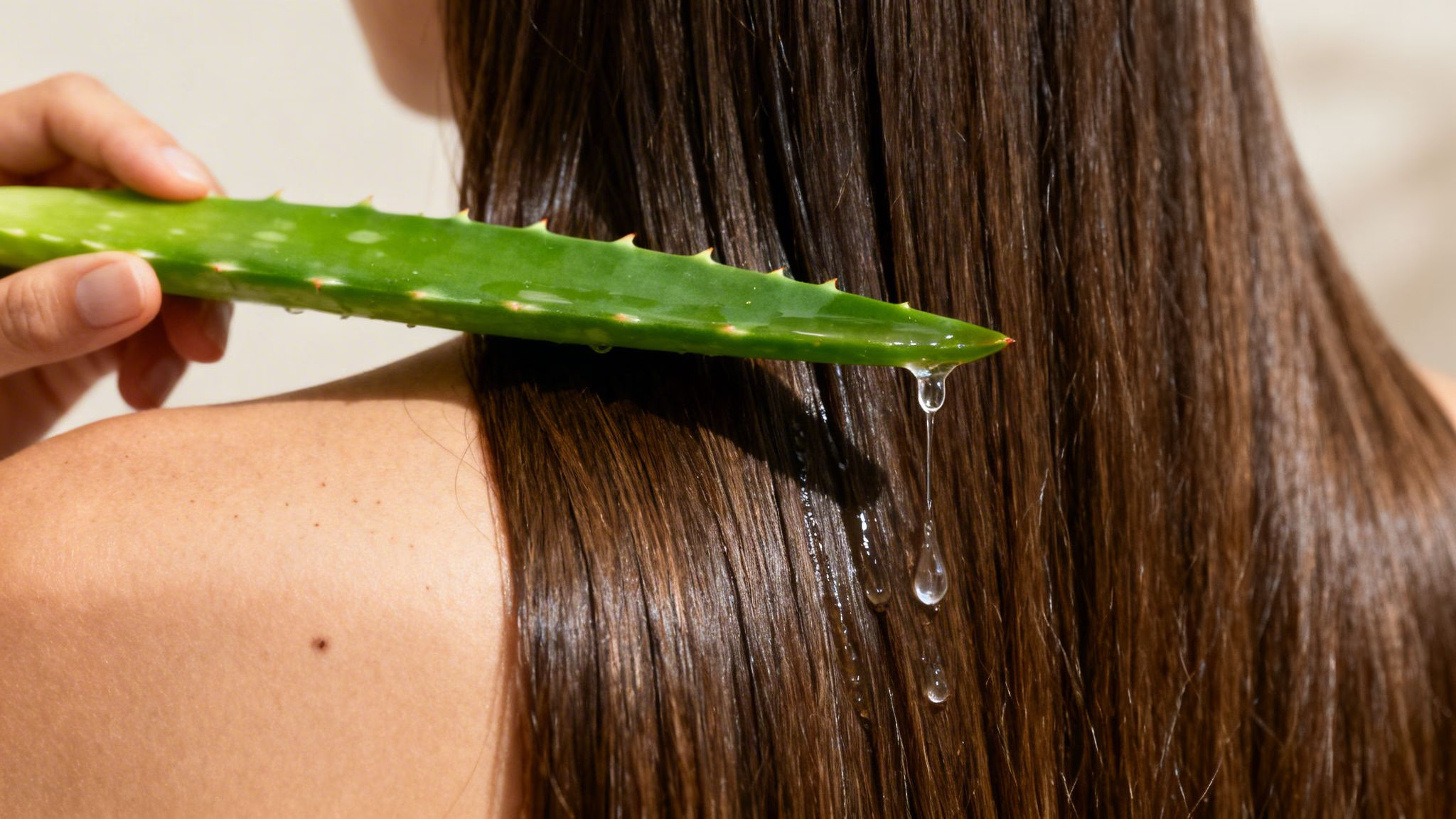
Hair loss disorders, including androgenetic alopecia, telogen effluvium, and inflammatory scalp conditions, are multifactorial in origin and involve dysregulation of hair follicle cycling, perifollicular inflammation, oxidative stress, and impaired dermal microcirculation. Conventional therapies such as minoxidil and finasteride provide clinical benefit but are often associated with incomplete response rates and potential adverse effects. This has increased interest in plant-based interventions with multi-target biological activity. Aloe vera (family Asphodelaceae) is a widely studied medicinal plant traditionally used in dermatology for wound healing, anti-inflammatory, and moisturizing effects, and is increasingly explored for its potential role in hair growth modulation.
Phytochemical profile of Aloe vera relevant to hair biology
Aloe vera gel contains a diverse range of bioactive compounds including polysaccharides (acemannan), glycoproteins, vitamins (A, C, E, and B12), amino acids, enzymes (bradykinase), and phytosterols. These constituents collectively contribute to antioxidant, anti-inflammatory, immunomodulatory, and tissue-repair activities. The polysaccharide fraction, particularly acemannan, has been implicated in fibroblast activation and extracellular matrix remodeling, which are essential processes supporting follicular environment integrity and hair shaft anchorage.
Mechanisms of hair growth promotion
Modulation of hair follicle cycle:
Hair growth is regulated through anagen (growth), catagen (regression), and telogen (resting) phases. Experimental studies suggest that Aloe vera may support transition from telogen to anagen phase by improving follicular nutrition and enhancing dermal papilla cell activity. Improved scalp hydration and reduced follicular obstruction may further facilitate anagen prolongation.
Anti-inflammatory effects on scalp microenvironment:
Chronic low-grade inflammation around hair follicles contributes to follicular miniaturization, particularly in androgenetic alopecia. Aloe vera exhibits inhibitory effects on pro-inflammatory mediators such as TNF-α, IL-1β, and prostaglandins. The presence of salicylic acid-like compounds also contributes to mild keratolytic activity, reducing scalp scaling and follicular irritation, thereby creating a favorable environment for hair regrowth.
Antioxidant and anti-stress activity:
Oxidative stress plays a central role in follicular aging and premature hair shedding. Aloe vera contains antioxidant vitamins and polyphenolic compounds that neutralize reactive oxygen species and reduce lipid peroxidation in scalp tissues. This protective effect helps preserve dermal papilla cell function and prevents premature transition to catagen phase.
Improvement of scalp microcirculation and follicular nutrition:
Enhanced blood flow to the scalp is essential for delivery of oxygen and nutrients to hair follicles. Aloe vera has been reported to exert vasodilatory and soothing effects on the skin, potentially improving perifollicular microcirculation and nutrient exchange, which supports follicular metabolic activity.
Therapeutic role in hair loss conditions
Androgenetic alopecia:
In androgen-dependent hair loss, Aloe vera may serve as an adjunct therapy by reducing inflammation, oxidative stress, and scalp irritation, thereby supporting pharmacological agents and improving overall follicular health.1
Telogen effluvium:
In stress-induced hair shedding, the adaptogenic and antioxidant properties of Aloe vera may help restore hair cycle synchronization by reducing systemic and local oxidative burden.
Seborrheic dermatitis–associated hair loss:
Due to its antimicrobial and antifungal properties, Aloe vera may help control scalp microbial imbalance,2 particularly Malassezia-associated inflammation, which contributes to hair shedding in seborrheic conditions.
Advantages of Aloe vera in hair regrowth therapy
Aloe vera offers several advantages as a phytotherapeutic agent: it is biocompatible, non-toxic, widely accessible, and suitable for long-term topical application. Its multi-target action addresses key pathogenic mechanisms of hair loss including inflammation, oxidative stress, and follicular dysfunction. Additionally, its moisturizing and conditioning properties improve hair shaft quality and scalp comfort, enhancing patient compliance.
Conclusion
Aloe vera represents a promising phytotherapeutic agent for hair growth promotion due to its combined anti-inflammatory, antioxidant, and follicle-supportive properties. While preclinical and traditional evidence supports its beneficial role in scalp health, further controlled clinical studies are needed to establish standardized formulations, optimal dosing regimens, and long-term efficacy in different types of alopecia.
References:
- Ahmed A, Alali AM, Abdullah E, Alharbi MN, Alayoubi HM. Herbal Remedies for Hair Loss: A Review of Efficacy and Safety. Skin Appendage Disord. 2025;11(4):360-371. doi:10.1159/000542876. https://pmc.ncbi.nlm.nih.gov/articles/PMC12324729/
- Athiban PP, Borthakur BJ, Ganesan S, Swathika B. Evaluation of antimicrobial efficacy of Aloe vera and its effectiveness in decontaminating gutta percha cones. J Conserv Dent. 2012;15(3):246-248. doi:10.4103/0972-0707.97949. https://pmc.ncbi.nlm.nih.gov/articles/PMC3410334/