
Introduction
Post-COVID syndrome, particularly in individuals recovering from moderate to severe infection, is increasingly recognized as a complex multisystem condition. Persistent symptoms such as fatigue, breathlessness, anosmia, cognitive dysfunction, sleep disturbances, and reduced exercise tolerance may last for weeks or months after viral clearance. Conventional management primarily focuses on symptomatic relief and rehabilitation; however, growing evidence highlights the role of nutrition in modulating immune recovery, reducing inflammation, and improving overall health outcomes. Ayurveda provides a structured dietary framework that emphasizes restoration of digestive balance, detoxification of metabolic residues, and rejuvenation of bodily tissues to support recovery from post-infectious states.
Ayurvedic perspective on post-COVID pathophysiology
In Ayurveda, post-COVID symptoms can be interpreted as a state of disturbed Agni (digestive and metabolic fire), accumulation of Ama (toxic metabolic byproducts), and depletion of Ojas (vital essence responsible for immunity and strength). The acute viral infection and inflammatory response often aggravate Vata and Pitta doshas, leading to systemic imbalance, tissue depletion (Dhatu Kshaya), and impaired physiological functioning.
Persistent fatigue and weakness are associated with inadequate tissue nourishment, while respiratory symptoms reflect residual obstruction in Srotas (bodily channels). Therefore, dietary therapy in Ayurveda is designed not only to provide nutrition but also to restore metabolic efficiency and promote systemic detoxification.
Principles of Ayurvedic dietary management
Ayurvedic dietary interventions in post-COVID recovery are centered on strengthening Agni, eliminating Ama, and rebuilding Ojas. The diet is typically individualized based on patient constitution (Prakriti) and disease severity.
- Agni-enhancing foods: Foods that are light, warm, freshly prepared, and easy to digest are recommended to improve metabolic function. Soups, stewed vegetables, thin porridge (Yavagu), and warm herbal broths are commonly advised. Spices such as ginger (Zingiber officinale), black pepper (Piper nigrum), cumin (Cuminum cyminum), and long pepper (Piper longum) are incorporated to stimulate digestion and improve nutrient absorption.
- Detoxifying and Ama-reducing diet: Residual Ama is considered a major contributor to post-COVID fatigue and systemic inflammation. To counter this, Ayurveda recommends avoiding heavy, oily, cold, processed, and incompatible food combinations. Instead, a diet rich in light grains, cooked vegetables, and herbal infusions helps facilitate toxin elimination and restore metabolic clarity.
- Rasayana and rejuvenative nutrition: Rasayana foods are essential for restoring vitality and immunity. Ingredients such as Emblica officinalis (Amla), milk (when tolerated), ghee in moderate amounts, and nourishing herbal preparations support tissue regeneration and enhance Ojas. These foods are believed to improve strength, endurance, and immune resilience during recovery.
Role of functional foods and herbal support
Ayurvedic dietary therapy often integrates functional herbs with food.
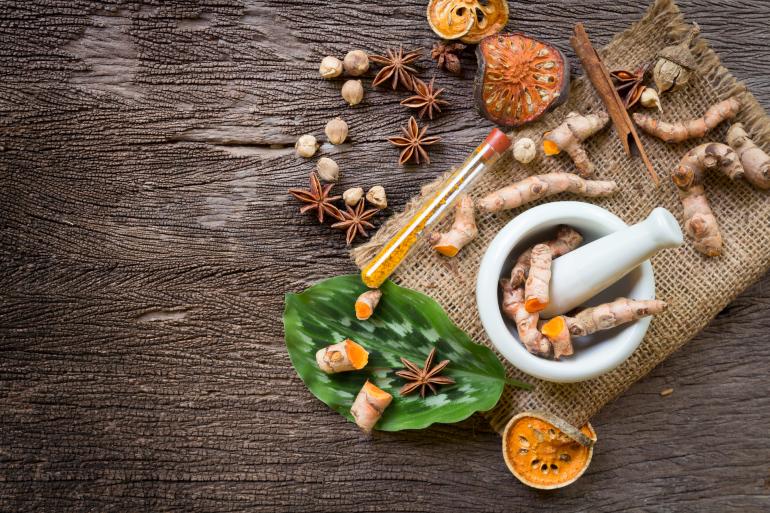
- Tinospora cordifolia (Guduchi) supports immune modulation, while Withania somnifera (Ashwagandha) helps reduce fatigue and stress. Turmeric (Curcuma longa) provides anti-inflammatory and antioxidant benefits that may reduce lingering systemic inflammation associated with post-COVID conditions.
- Warm herbal decoctions (Kashaya) made from tulsi, ginger, and cinnamon are commonly used to support respiratory health and improve digestion.
Lifestyle and dietary synergy
Dietary therapy in Ayurveda is closely linked with lifestyle modifications. Adequate rest, regulated sleep, gentle physical activity, and breathing exercises (Pranayama) complement dietary interventions. These practices help improve oxygenation, reduce anxiety, and support neuroimmune recovery.
Conclusion
Ayurvedic dietary approaches offer a comprehensive and individualized strategy for managing persistent and severe post-COVID symptoms. By restoring Agni, eliminating Ama, and enhancing Ojas, these interventions address the root metabolic disturbances underlying prolonged recovery. The integration of warm, easily digestible foods, Rasayana nutrition, and herbal support provides a holistic framework for rebuilding strength, improving immunity, and enhancing overall quality of life in post-COVID patients.1
References:
- Adluri USP, Bhattacharya B. Focus on Ayurvedic Diet Resolves Persistent Severe Covid-19 Symptoms: Case Report. Integr Med (Encinitas). 2022;21(1):36-44. https://pmc.ncbi.nlm.nih.gov/articles/PMC9005146/