
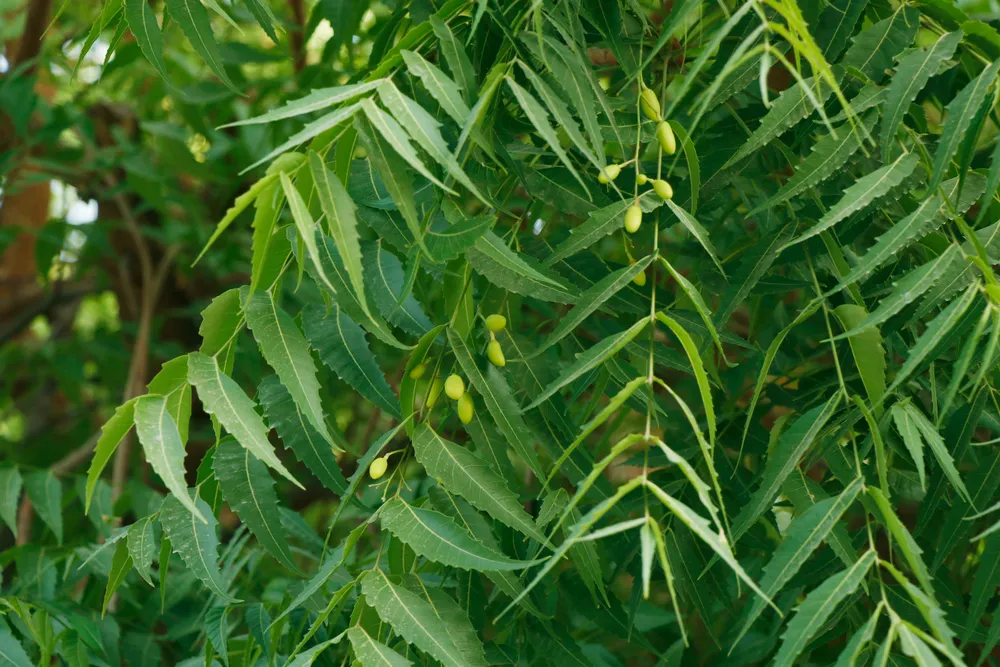
Introduction
Acne vulgaris is a chronic inflammatory disorder of the pilosebaceous unit characterized by comedone formation, seborrhea, follicular hyperkeratinization, and inflammatory lesions including papules, pustules, and nodules. Its pathogenesis involves a complex interaction between sebaceous gland hyperactivity, dysbiosis of the skin microbiome—particularly Cutibacterium acnes—and activation of innate immune and inflammatory pathways such as NF-κB, Toll-like receptor signaling, and downstream cytokine cascades (IL-1β, IL-6, and TNF-α).
Conventional therapy includes topical retinoids, benzoyl peroxide, antibiotics, and systemic agents; however, increasing antibiotic resistance and adverse effects have driven interest toward phytotherapeutic alternatives. In this context, Azadirachta indica (Neem) has emerged as a clinically relevant botanical agent with multitarget anti-acne potential.
Phytochemical profile of neem relevant to acne
Neem contains a diverse range of bioactive compounds, including limonoids (nimbin, azadirachtin, nimbidin), flavonoids, tannins, glycosides, and essential oils. These constituents contribute to its dermatological efficacy through antimicrobial, anti-inflammatory, antioxidant, and sebostatic activities.
Key phytochemical actions include:
- Limonoids: antimicrobial and anti-inflammatory effects
- Flavonoids: antioxidant and free radical scavenging activity
- Nimbidin: inhibition of inflammatory mediators
- Triterpenoids: modulation of microbial growth and immune response
Mechanisms of action in acne vulgaris
Antimicrobial activity against acne-associated microbiota:
Neem extracts demonstrate inhibitory activity against Cutibacterium acnes1 and other skin pathogens such as Staphylococcus aureus. This antimicrobial effect is attributed to disruption of bacterial cell wall integrity, inhibition of microbial adhesion, and suppression of biofilm formation.
Anti-inflammatory modulation:
Neem bioactives suppress key inflammatory signaling pathways including NF-κB and MAPK, leading to reduced production of pro-inflammatory cytokines such as IL-1β, TNF-α, and IL-8. This helps attenuate papulopustular inflammation and erythema.
Sebum and follicular regulation:
Preclinical studies suggest neem may exert a regulatory effect on sebaceous gland activity, potentially reducing sebum overproduction, which is a key contributor to acne pathogenesis.
Antioxidant and cytoprotective effects:
Oxidative stress plays a major role in acne lesion progression. Neem-derived flavonoids and polyphenols neutralize reactive oxygen species, thereby limiting lipid peroxidation and keratinocyte damage.
Immunomodulatory effects:
Neem modulates both innate and adaptive immune responses, contributing to balanced inflammatory activity within the pilosebaceous unit and preventing exaggerated immune reactions to microbial colonization.
Clinical and experimental evidence
Experimental studies and in vitro analyses have demonstrated neem’s efficacy in reducing bacterial load, inflammation, and lesion severity in acne-like conditions. Topical formulations containing neem extracts have shown improvement in lesion count and severity scores in mild-to-moderate acne cases, although variability in formulation and study design limits direct comparison with standard pharmacotherapy.
Overall, current evidence supports neem as an adjunctive phytotherapeutic agent rather than a standalone replacement for conventional acne treatments.
Therapeutic role in acne vulgaris
Neem plays a multifunctional role in acne management through:
- Reduction of Cutibacterium acnes colonization
- Suppression of inflammatory lesion formation
- Regulation of sebaceous gland activity
- Prevention of post-inflammatory oxidative damage
- Support of skin barrier restoration and microbiome balance2
Advantages of neem-based acne therapy
- Multitarget pharmacological action (antimicrobial, anti-inflammatory, antioxidant)
- Lower risk of antibiotic resistance development
- Generally favorable safety profile in topical use
- Compatibility with other dermatological agents
- Cost-effective and widely accessible botanical resource
- Suitable for long-term maintenance therapy
Conclusion
Neem (Azadirachta indica) represents a clinically relevant phytotherapeutic strategy for acne vulgaris due to its antimicrobial, anti-inflammatory, antioxidant, and sebostatic properties. Its multitarget action aligns well with the multifactorial pathophysiology of acne, making it a promising adjunct in integrative dermatological care. However, further standardized clinical trials and formulation studies are required to fully establish its efficacy, optimize delivery systems, and integrate it into evidence-based acne management protocols.
References:
-
- Sinatra DP, Rini CS. Utilization of neem leaf extract (Azadirachta indica A. Juss.) in inhibiting the growth of acne-causing bacteria Cutibacterium acnes. Journal of Indonesian Medical Laboratory and Science (JoIMedLabS). 2026 May 2;7(1):12-25. https://www.researchgate.net/publication/404521912_Utilization_of_neem_leaf_extract_Azadirachta_indica_A_Juss_in_inhibiting_the_growth_of_acne-causing_bacteria_Cutibacterium_acnes
- Gopinath H, Karthikeyan K. Neem in Dermatology: Shedding Light on the Traditional Panacea. Indian J Dermatol. 2021;66(6):706. doi:10.4103/ijd.ijd_562_21. https://pmc.ncbi.nlm.nih.gov/articles/PMC8906293/