
Introduction
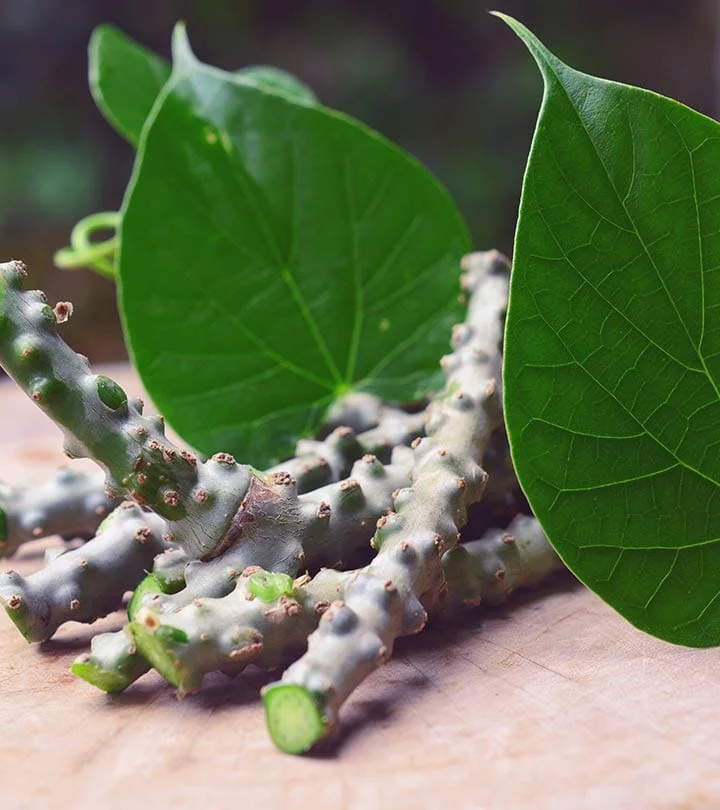
Women’s metabolic and reproductive health are closely interconnected, with conditions such as polycystic ovary syndrome (PCOS), obesity, insulin resistance, metabolic syndrome, menstrual irregularities, infertility, and chronic inflammation significantly affecting overall well-being and quality of life. The prevalence of these disorders has increased markedly due to sedentary lifestyles, dietary changes, chronic stress, and hormonal imbalances. Metabolic dysfunction frequently coexists with reproductive disturbances, contributing to anovulation, irregular menstruation, subfertility, and adverse reproductive outcomes. Ayurveda emphasizes the maintenance of balanced Doshas, optimal digestive and metabolic function (Agni), and healthy reproductive tissues (Artava Dhatu) as essential for female health. Disorders such as PCOS and metabolic syndrome are described as consequences of impaired Agni, accumulation of Ama (metabolic toxins), and disturbances primarily involving Kapha and Vata Dosha. Guduchi (Tinospora cordifolia), commonly known as Giloy, is one of the most revered Ayurvedic Rasayana herbs and has traditionally been used to promote vitality, enhance immunity, support metabolism, and restore systemic balance. Renowned for its immunomodulatory, antioxidant, anti-inflammatory, hepatoprotective, and metabolic-regulating properties, Guduchi is widely prescribed in Ayurveda to improve detoxification, tissue nourishment, and physiological resilience. Modern pharmacological studies have increasingly validated these traditional applications, demonstrating its potential to improve insulin sensitivity, reduce oxidative stress and chronic inflammation, regulate metabolic pathways, and support reproductive health. Through its multifaceted actions on metabolism, immune function, and inflammatory processes, Guduchi may offer valuable complementary support in the management of metabolic and reproductive disorders affecting women.1
Ayurvedic perspective
Guduchi is characterized by:
- Tikta and Kashaya Rasa (bitter and astringent taste)
- Laghu and Snigdha Guna (light and slightly unctuous qualities)
- Ushna Virya (heating potency according to many classical interpretations)
- Madhura Vipaka
- Tridoshahara action
- Rasayana (rejuvenative)
- Jwaraghna (antipyretic)
- Deepana-Pachana (improves digestion and metabolism)
These properties help eliminate Ama, support metabolic balance, and promote reproductive health.
Phytochemical constituents
Major bioactive compounds include:
- Tinosporaside
- Cordifolioside A
- Berberine-like alkaloids
- Magnoflorine
- Diterpenoid lactones
- Polysaccharides
- Phenolic compounds
These constituents contribute to its antioxidant, immunomodulatory, and metabolic-regulating activities.
Role in women’s metabolic and reproductive health
Metabolic regulation:
Guduchi improves metabolic efficiency and supports healthy glucose homeostasis. Experimental and clinical studies suggest beneficial effects on insulin sensitivity and carbohydrate metabolism, making it relevant in metabolic syndrome and PCOS.2
Management of PCOS:
PCOS is characterized by insulin resistance, chronic inflammation, and hormonal imbalance. Through its anti-inflammatory and metabolic-supportive actions, Guduchi may help address underlying pathophysiological mechanisms contributing to PCOS.
Anti-inflammatory activity:
Chronic low-grade inflammation plays a major role in reproductive and metabolic disorders. Guduchi suppresses inflammatory mediators such as TNF-α, IL-6, and oxidative stress pathways, thereby supporting reproductive tissue health.
Antioxidant protection:
Oxidative stress can impair ovarian function, follicular development, and fertility. Guduchi enhances endogenous antioxidant defenses and protects reproductive tissues from oxidative damage.
Immune and endocrine support:
Its immunomodulatory actions help maintain physiological balance and may indirectly support endocrine function, reproductive health, and overall well-being.
Clinical applications
Polycystic ovary syndrome (PCOS):
Guduchi is frequently included in Ayurvedic formulations designed to improve metabolism, regulate menstrual cycles, and reduce inflammation associated with PCOS.
Menstrual irregularities:
By supporting metabolic and hormonal balance, Guduchi may contribute to improved menstrual regularity and reproductive function.
Female Infertility:
Its Rasayana and antioxidant effects may help optimize reproductive health and support fertility-enhancing interventions.
Obesity and metabolic syndrome:
Guduchi is traditionally used as an adjunct in managing obesity, insulin resistance, and metabolic disturbances that negatively affect reproductive health.
Common ayurvedic preparations
- Guduchi Churna
- Guduchi Satva
- Guduchi Kwatha
- Amritarishta
- Rasayana formulations
- Polyherbal preparations for PCOS and metabolic health
Conclusion
Guduchi (Tinospora cordifolia) is a versatile Ayurvedic Rasayana with significant potential in women’s metabolic and reproductive health. Its antioxidant, anti-inflammatory, immunomodulatory, and metabolic-regulating properties address key mechanisms involved in PCOS, menstrual irregularities, infertility, and metabolic syndrome. By promoting Agni, reducing Ama, and supporting reproductive tissues, Guduchi offers a holistic approach to female wellness. Further high-quality clinical trials are warranted to establish standardized therapeutic protocols and strengthen its evidence base in women’s health.
Reference:
- Rani R, Chitme HR, Kukreti N, et al. Regulation of Insulin Resistance, Lipid Profile and Glucose Metabolism Associated with Polycystic Ovary Syndrome by Tinospora cordifolia. Nutrients. 2023;15(10):2238. Published 2023 May 9. doi:10.3390/nu15102238 https://pmc.ncbi.nlm.nih.gov/articles/PMC10221073/
- Sharma U, Bala M, Kumar N, Singh B, Munshi RK, Bhalerao S. Immunomodulatory active compounds from Tinospora cordifolia. J Ethnopharmacol. 2012 Jun 14;141(3):918-26. doi: 10.1016/j.jep.2012.03.027. Epub 2012 Mar 26. PMID: 22472109. https://pubmed.ncbi.nlm.nih.gov/22472109/