
Introduction
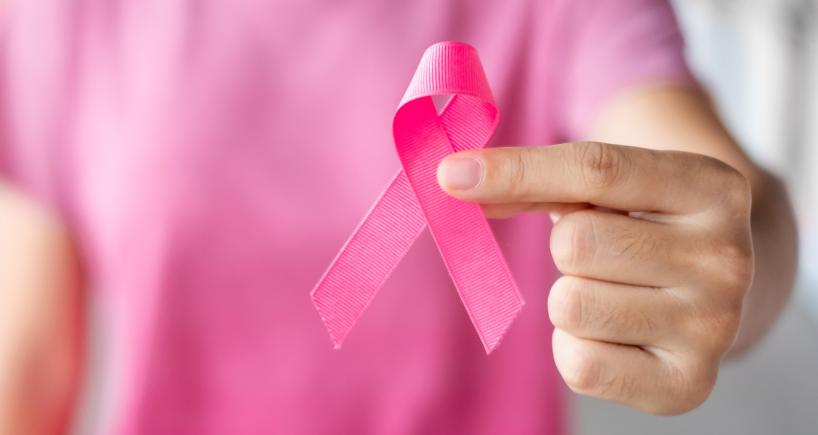
Breast cancer is the most frequently diagnosed malignancy among women worldwide and remains a leading cause of cancer-related morbidity and mortality. It is a heterogeneous disease characterized by uncontrolled proliferation of breast epithelial cells, driven by genetic mutations, hormonal influences, and microenvironmental alterations. Modern oncology has significantly improved survival outcomes through surgery, chemotherapy, radiotherapy, targeted therapy, and immunotherapy. However, treatment-associated toxicity, psychological distress, fatigue, lymphedema, and reduced quality of life remain major concerns. This has led to increasing interest in integrative oncology approaches that combine evidence-based complementary systems such as Ayurveda with conventional cancer management to enhance therapeutic outcomes and patient well-being.
Ayurvedic perspective on breast cancer
In Ayurveda, cancer-like conditions are broadly described under the concepts of Arbuda (malignant, deep-seated growths) and Granthi (nodular swellings). Breast cancer can be understood through the lens of Dosha imbalance, particularly involving Kapha (tissue growth and stability) and Vata (cellular regulation and movement). The pathogenesis is further influenced by impaired digestive and metabolic fire (Agni dushti), leading to accumulation of toxic metabolic byproducts (Ama), which obstruct physiological channels (Srotas) and disrupt normal tissue homeostasis.
From this perspective, breast cancer is not merely a localized tumor but a systemic disorder involving metabolic dysfunction, immune imbalance, and impaired tissue nourishment (Dhatu Poshana). Therefore, Ayurvedic interventions focus on restoring systemic equilibrium rather than targeting the tumor alone.
Ayurvedic therapeutic principles in breast cancer
Ayurvedic management of cancer emphasizes three core therapeutic strategies: detoxification (Shodhana), pacification (Shamana), and rejuvenation (Rasayana therapy).
- Detoxification and Ama reduction: Elimination of Ama is considered essential in restoring physiological balance. Herbal formulations such as Triphala (comprising Terminalia chebula, Terminalia bellirica, and Emblica officinalis) are used to support gastrointestinal cleansing, antioxidant defense, and systemic detoxification. These actions may help reduce inflammatory burden and improve metabolic efficiency.
- Immunomodulation and Rasayana therapy: Rasayana herbs play a crucial role in strengthening host immunity and enhancing resilience against disease progression. Withania somnifera (Ashwagandha) exhibits adaptogenic properties that help reduce stress-induced immunosuppression. Tinospora cordifolia (Guduchi) enhances macrophage activity and natural killer (NK) cell function, contributing to improved immune surveillance against malignant cells.
- Anticancer and cytoprotective herbs: Curcuma longa (turmeric), containing curcumin, has been extensively studied for its anticancer properties. It modulates multiple signaling pathways such as NF-κB, STAT3, and PI3K/Akt, which are involved in cell proliferation, inflammation, and apoptosis. Curcumin also exhibits antioxidant activity, reducing oxidative stress and DNA damage associated with carcinogenesis.
Integrative oncology and breast cancer management
Integrative oncology combines conventional cancer treatments with complementary systems like Ayurveda to improve clinical outcomes and quality of life. In breast cancer care, Ayurvedic interventions may help reduce chemotherapy-induced side effects such as nausea, fatigue, mucositis, and peripheral neuropathy. Additionally, herbal adaptogens and Rasayana therapies may improve energy levels, emotional well-being, and immune function.
Mind-body interventions such as yoga, meditation, and pranayama further complement Ayurvedic therapy by reducing stress, improving hormonal balance, and enhancing psychological resilience. Dietary regulation (Pathya Ahara) also plays a key role in supporting recovery and maintaining metabolic stability during treatment.
Safety and clinical considerations
While Ayurvedic therapies offer promising supportive benefits, their integration with modern oncology requires careful consideration of herb–drug interactions, standardized formulations, and clinical monitoring. Personalized treatment approaches based on Prakriti (individual constitution) may further enhance therapeutic precision and safety.
Conclusion
Integrative strategies in breast cancer care represent a promising approach that combines the strengths of modern oncology with the holistic principles of Ayurveda. While conventional therapies target tumor eradication, Ayurveda focuses on restoring systemic balance, enhancing immunity, and improving overall well-being. Together, these systems offer a comprehensive framework for patient-centered breast cancer management. Continued research and clinical validation are essential to establish evidence-based integrative protocols that can safely and effectively improve outcomes in breast cancer care.1
References:
- Krishna Gopinath K, Elango K. Integrative strategies in breast cancer: synergizing modern oncology and Ayurveda. Int J Environ Sci. 2025;11(22S):3602-3610. https://theaspd.com/index.php/ijes/article/view/7938/5732