
Introduction
Skin infections are among the most common dermatological conditions globally, ranging from superficial bacterial and fungal infections to inflammatory and opportunistic microbial colonization. The increasing prevalence of antimicrobial resistance has renewed interest in plant-derived bioactive compounds as alternative or adjunct therapeutic agents.
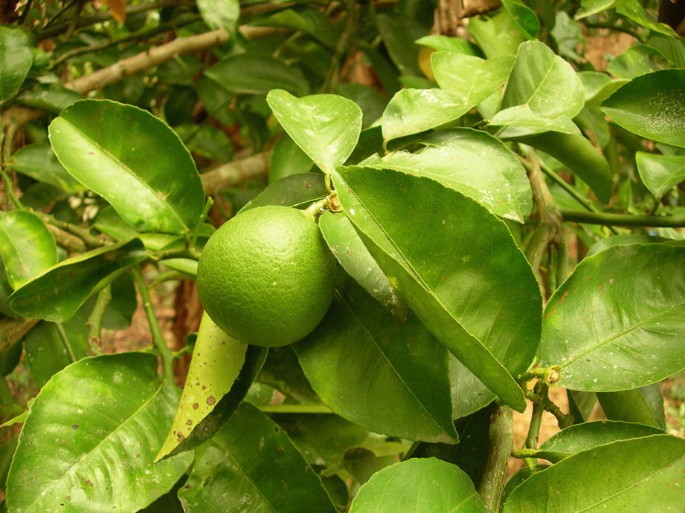
Jambira (Citrus limon), commonly known as lemon, is a widely used citrus fruit belonging to the Rutaceae family. It is rich in bioactive constituents such as flavonoids, phenolic acids, limonene, citral, ascorbic acid, and essential oils, which have demonstrated antimicrobial, antioxidant, and anti-inflammatory properties in multiple experimental and review-based studies. These properties provide a scientific basis for its traditional use in skin and wound-related disorders.
Phytochemical composition relevant to dermatological activity
The antimicrobial potential of Citrus limon is primarily attributed to its diverse phytochemical profile:
- Flavonoids (hesperidin, eriocitrin): exhibit antibacterial and anti-inflammatory effects
- Limonene and citral (essential oils): disrupt microbial cell membranes
- Ascorbic acid (vitamin C): supports collagen synthesis and immune modulation
- Phenolic compounds: contribute to oxidative stress reduction and microbial inhibition
- Organic acids (citric acid): create an unfavorable environment for microbial growth
These compounds act synergistically to inhibit pathogen survival and reduce inflammatory skin responses.
Mechanisms of antimicrobial action
Antibacterial activity:
Citrus limon extracts have demonstrated inhibitory effects against both Gram-positive and Gram-negative bacteria, including Staphylococcus aureus and Escherichia coli. The mechanisms include:
- Disruption of bacterial cell wall integrity
- Increased membrane permeability leading to cytoplasmic leakage
- Inhibition of bacterial enzyme systems and biofilm formation
Antifungal effects:
Lemon-derived essential oils show activity against dermatophytes such as Candida albicans and Trichophyton species. Mechanisms include:
- Ergosterol synthesis disruption in fungal membranes
- Inhibition of spore germination
- Oxidative stress induction in fungal cells
Anti-inflammatory and immunomodulatory effects:
Inflammation is a key component of infected skin lesions. Bioactive compounds in Jambira modulate inflammatory pathways by:
- Suppressing NF-κB signaling
- Reducing pro-inflammatory cytokines (IL-1β, TNF-α)
- Limiting neutrophil infiltration in infected tissue
Antioxidant-mediated tissue protection:
Oxidative stress contributes to delayed wound healing and tissue damage in skin infections. Citrus limon antioxidants:
- Neutralize reactive oxygen species (ROS)
- Prevent lipid peroxidation of skin cell membranes
- Enhance local tissue repair processes
Therapeutic role in skin infections
Bacterial skin infections:
Citrus limon extracts may support management of:
- Impetigo
- Folliculitis
- Minor wound infections
- Acne vulgaris (adjunct role)1
Its antibacterial and anti-inflammatory actions help reduce microbial load and local inflammation.
Fungal skin infections:
It may assist in:
- Tinea corporis
- Candidal intertrigo
- Superficial dermatophytosis
Its antifungal activity supports inhibition of fungal growth and recurrence prevention.
Inflammatory and mixed infections:
In conditions where infection is associated with inflammation, Citrus limon contributes to:
- Reduction in erythema and swelling
- Faster resolution of lesions
- Improved skin barrier recovery
Advantages of Jambira (Citrus limon) in dermatological therapy
- Natural source of broad-spectrum antimicrobial compounds2
- Multi-target action (antibacterial, antifungal, anti-inflammatory, antioxidant)
- Low cost and wide availability
- Minimal systemic toxicity when used appropriately topically
- Synergistic potential with conventional antimicrobial agents
- Supports wound healing and tissue regeneration
- Useful in mild to moderate superficial skin infections
Limitations and safety considerations
- Potential for phototoxicity due to citrus oils when exposed to sunlight
- Risk of skin irritation or sensitization in sensitive individuals
- Variability in phytochemical concentration depending on extraction method
- Lack of large-scale randomized clinical trials in dermatological infections
- Should be used as an adjunct rather than a replacement for standard antimicrobial therapy in moderate-to-severe infections
Conclusion
Jambira (Citrus limon) demonstrates significant phytotherapeutic potential as a natural antimicrobial agent in skin infections. Its bioactive constituents exhibit antibacterial, antifungal, anti-inflammatory, and antioxidant effects that collectively support its role in dermatological infection management.
Although preclinical and experimental evidence is promising, further well-designed clinical trials are required to standardize dosage, formulation, and therapeutic protocols. In contemporary dermatology, Citrus limon may serve as an effective adjunctive phytotherapeutic agent in mild infectious and inflammatory skin conditions.
References:
-
- Kayıran MA, Karadağ AS, Alyamaç G, et al. Use of Complementary and Alternative Medicine among Patients with Acne Vulgaris and Factors Perceived to Trigger the Disease: A Multicentre Cross-Sectional Study with 1571 Patients. Indian J Dermatol. 2022;67(3):311. doi:10.4103/ijd.ijd_745_21. https://pmc.ncbi.nlm.nih.gov/articles/PMC9644785/
- Haghani I, Abastabar M, Osanloo M, et al. Development and characterization of Citrus limon (L.) Osbeck essential oil nanoemulsions: assessment of antibacterial and antifungal activities. Curr Med Mycol. 2025;11:1633. Published 2025 Feb 1. doi:10.22034/cmm.2025.345248.1633. https://pmc.ncbi.nlm.nih.gov/articles/PMC12536814/