
Introduction
Musculoskeletal disorders represent a major cause of chronic pain and disability worldwide. Ayurveda attributes many degenerative and inflammatory joint disorders to aggravated Vata Dosha associated with Kapha-induced stiffness and obstruction of physiological channels (Srotorodha). Management aims to reduce pain, improve circulation, restore mobility, and prevent further tissue degeneration.
Agnikarma, described by Sushruta, is considered one of the most effective para-surgical procedures for conditions characterized by severe pain and stiffness. The controlled application of heat reduces pain and improves local tissue metabolism. Shunthi complements Agnikarma by providing systemic anti-inflammatory and digestive-metabolic support, thereby addressing both symptoms and underlying pathophysiology.1
Pharmacological basis of shunthi
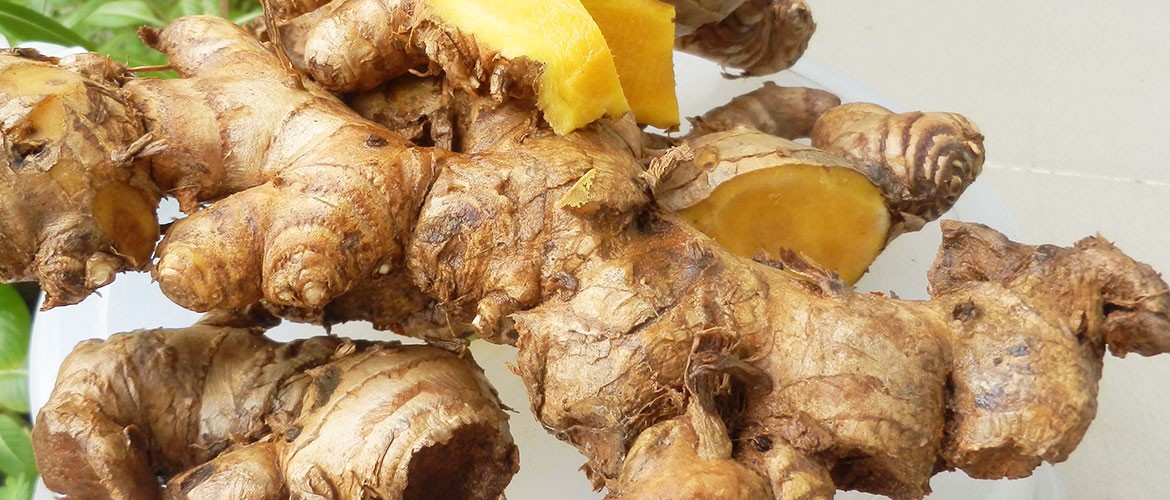
The therapeutic effects of Zingiber officinale are attributed to bioactive constituents such as gingerols, shogaols, paradols, zingerone, and volatile oils. These compounds possess significant anti-inflammatory and analgesic activities.2
Research has demonstrated that ginger inhibits cyclooxygenase (COX) and lipoxygenase pathways, reducing the synthesis of prostaglandins and leukotrienes involved in inflammation and pain. Ginger also suppresses inflammatory cytokines such as TNF-α, IL-1β, and IL-6, which contribute to chronic musculoskeletal disorders. Its antioxidant properties further protect tissues from oxidative damage associated with inflammation and degeneration.
Role in agnikarma-supported management
Agnikarma provides rapid symptomatic relief through thermal analgesia, increased local circulation, and reduction of muscle spasm.3 Following the procedure, Shunthi helps sustain these therapeutic benefits by controlling residual inflammation and stiffness.
The herb improves circulation and metabolic activity, helping to clear accumulated inflammatory mediators and support tissue repair. Its warming (Ushna) nature counteracts the cold and rigid qualities associated with aggravated Vata and Kapha. Shunthi also promotes digestion and metabolism (Agni Deepana), thereby reducing the formation of metabolic toxins (Ama) implicated in chronic inflammatory disorders.
By reducing pain, swelling, and stiffness while improving flexibility, Shunthi enhances functional recovery and supports long-term management of musculoskeletal conditions.
Clinical applications
Shunthi-assisted Agnikarma therapy is commonly employed in:
- Osteoarthritis (Sandhivata)4
- Rheumatoid arthritis (Amavata)
- Cervical spondylosis (Manyastambha)
- Lumbar spondylosis (Katigraha)
- Sciatica (Gridhrasi)
- Frozen shoulder (Avabahuka)
- Chronic low back pain
Clinical studies have reported improvements in pain scores, joint mobility, stiffness, and quality of life following ginger supplementation in patients with musculoskeletal disorders.
Conclusion
Shunthi (Zingiber officinale) is a valuable Ayurvedic medicinal plant with significant anti-inflammatory, analgesic, antioxidant, and Vata-Kapha pacifying properties. When integrated with Agnikarma therapy, it provides a synergistic approach to managing musculoskeletal disorders by combining thermal analgesia with systemic control of inflammation and stiffness. This integrative strategy supports pain relief, functional recovery, and long-term musculoskeletal health. Further clinical studies are warranted to establish standardized protocols and strengthen the evidence supporting the combined use of Shunthi and Agnikarma.
Reference:
- Grzanna R, Lindmark L, Frondoza CG. Ginger--an herbal medicinal product with broad anti-inflammatory actions. J Med Food. 2005 Summer;8(2):125-32. doi: 10.1089/jmf.2005.8.125. PMID: 16117603. https://pubmed.ncbi.nlm.nih.gov/16117603/
- Mashhadi NS, Ghiasvand R, Askari G, Hariri M, Darvishi L, Mofid MR. Anti-oxidative and anti-inflammatory effects of ginger in health and physical activity: review of current evidence. Int J Prev Med. 2013;4(Suppl 1):S36-S42. https://pmc.ncbi.nlm.nih.gov/articles/PMC3665023/
- Samota B, Sharma S, Singh M, Sharma R, Garg P. Role of Agnikarma along with Ayurveda medication in management of trigger thumb - A Case Report. J Ayurveda Integr Med. 2026;17(2):101339. doi:10.1016/j.jaim.2026.101339 https://pmc.ncbi.nlm.nih.gov/articles/PMC12996233/
- Bartels EM, Folmer VN, Bliddal H, Altman RD, Juhl C, Tarp S, Zhang W, Christensen R. Efficacy and safety of ginger in osteoarthritis patients: a meta-analysis of randomized placebo-controlled trials. Osteoarthritis Cartilage. 2015 Jan;23(1):13-21. doi: 10.1016/j.joca.2014.09.024. Epub 2014 Oct 7. PMID: 25300574. https://pubmed.ncbi.nlm.nih.gov/25300574/