
Abnormal uterine bleeding (AUB) is characterized by deviations in menstrual frequency, regularity, duration, or volume that may affect reproductive health and quality of life. It can arise from several causes, including ovulatory dysfunction, uterine fibroids, adenomyosis, endometrial disorders, coagulation abnormalities, and iatrogenic factors. A systematic evaluation is essential to identify the underlying cause and guide appropriate treatment.
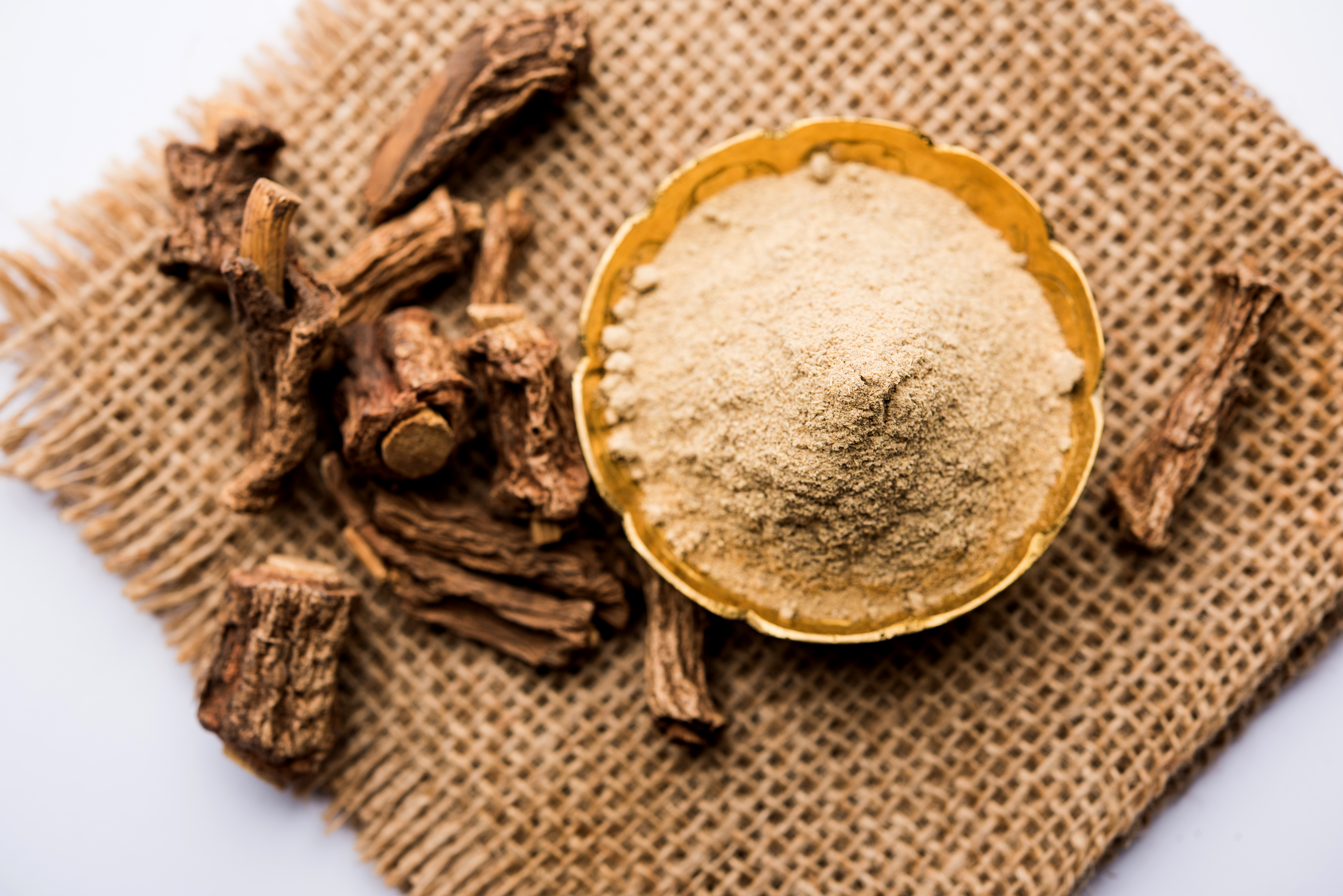
In Ayurveda, excessive or irregular menstrual bleeding is discussed under conditions such as Asrigdara and Raktapradara. Pushyanuga Churna is a classical polyherbal formulation traditionally used in gynaecological disorders, particularly those involving excessive uterine bleeding and abnormal vaginal discharge, such as leucorrhoea, menorrhagia and metrorrhagia etc.1 Its potential role in AUB can be explored through classical Ayurvedic principles and emerging clinical research; however, traditional use should be distinguished from evidence of clinical efficacy.
Ayurvedic understanding of abnormal uterine bleeding
In Ayurvedic literature, Asrigdara or Raktapradara is associated with excessive or prolonged menstrual bleeding. Its pathogenesis is traditionally understood through disturbances in Doshas, particularly Pitta and Vata, along with abnormalities involving Rakta dhatu (blood tissue) and the reproductive channels. Clinical manifestations may include excessive menstrual flow, prolonged menstruation, intermenstrual bleeding, fatigue, and weakness. These traditional concepts provide a framework for understanding menstrual disorders but are not direct equivalents of modern diagnostic categories of AUB.
Pushyanuga Churna is a classical polyherbal formulation described in Ayurvedic practice for Pradara and related gynaecological conditions.2 Its traditional therapeutic rationale is associated with Rakta-stambhana (supporting the control of bleeding), Kashaya rasa (astringent taste), and the balancing of relevant doshas. The formulation contains multiple botanical ingredients, and its precise composition may vary according to the reference text and preparation. Consequently, its pharmacological properties should be evaluated as a formulation rather than inferred solely from the actions attributed to individual ingredients. A 2024 critical review specifically examined its traditional use in Raktapradara, highlighting the need to understand its clinical effects through further systematic research.
Clinical evidence and therapeutic potential
A multicentre, prospective, single-arm clinical study published evaluated Pushyanuga Churna combined with Usheerasava in 80 patients diagnosed with AUB. Participants received Pushyanuga Churna 3 g and Usheerasava 20 mL twice daily for 90 days. Of the 80 enrolled participants, 68 completed the study. The pictorial blood loss assessment chart (PBAC) score decreased over the treatment period, and improvements were reported in frequent and prolonged bleeding and psychological well-being. The proportion of participants with a PBAC score above 100 declined from 94.2% at baseline to 30.7% at the end of treatment. No adverse drug reactions or significant changes in the assessed liver and renal function parameters were reported during the study.
These findings suggest a potential role for the combined Ayurvedic regimen in managing symptoms of AUB. However, because the study lacked a control group and evaluated Pushyanuga Churna alongside Usheerasava, the independent contribution of Pushyanuga Churna cannot be established. The findings also do not demonstrate superiority over established medical treatments.
A 2025 systematic review of Ayurvedic interventions for Asrigdara identified eight randomized clinical trials from 68 initially identified research articles. Some interventions showed improvements in menstrual blood loss, although outcomes varied across studies and treatment approaches. Also, Pushyanuga churna has shown significant outcomes as compared to Bharangi- Shunthi.3
The authors emphasized the need for additional well-designed clinical trials to establish efficacy and safety. These findings provide broader context for Ayurvedic management of heavy menstrual bleeding but should not be interpreted as definitive evidence for Pushyanuga Churna specifically.
Safety considerations and clinical relevance
AUB is a symptom with diverse underlying causes, including ovulatory dysfunction, uterine fibroids, adenomyosis, endometrial abnormalities, pregnancy-related complications, and coagulation disorders. Therefore, clinical assessment should precede treatment and may involve pregnancy testing, blood counts, pelvic imaging, and endometrial evaluation where indicated. Persistent or heavy bleeding can cause iron-deficiency anaemia and requires appropriate management.
Although preliminary findings on Ayurvedic formulations are encouraging, evidence remains insufficient to recommend Pushyanuga Churna as a replacement for established AUB treatments. Its composition, dosage, interactions, and long-term safety require further standardization and investigation. Use during pregnancy or alongside other medications should be assessed by a qualified healthcare professional.
Conclusion
Pushyanuga Churna holds traditional therapeutic relevance in managing Asrigdara and abnormal uterine bleeding, with preliminary clinical findings suggesting potential benefits in reducing menstrual blood loss and improving associated symptoms. However, limited clinical evidence, methodological constraints, and the use of combination therapies highlight the need for further well-designed trials to establish its independent efficacy, safety, and role in evidence-based gynaecological care.
References:
- Kumari P., Kumar V., Sharma P., Pathak A. STUDY THE ROLE OF PUSHYANUG CHURNA IN THE MANAGEMENT OF PRADAR. World J Pharm Med Res. 2019,5(9), 100-102. https://www.wjpmr.com/download/article/50082019/1567214827.pdf
- Gandhi J. Clinical efficacy of Pushyanuga Churna in gynecological bleeding disorders: an evidence-based review. Int J Ayurveda Gynecol. 2025;2(3):68-72. https://www.ijag.co.in/article/clinical-efficacy-of-pushyanuga-churna-in-gynecological-bleeding-disorders-an-evidence-based-review
- Noor F, Mamatha KV. Analysis on action of Rakthasthambhaka Dravya’s in Asrigdhara with special reference to abnormal uterine bleeding. Ayushdhara. 2022;9(Suppl 1):50-61. doi:10.47070/ayushdhara.v9iSuppl1.1030. https://www.researchgate.net/publication/364556028_Analysis_on_Action_of_Rakthasthambhaka_Dravya's_in_Asrigdhara_with_special_reference_to_Abnormal_Uterine_Bleeding