
Introduction
Musculoskeletal disorders such as osteoarthritis (Sandhivata), cervical spondylosis (Manyastambha), lumbar spondylosis (Katigraha), frozen shoulder (Avabahuka), and sciatica (Gridhrasi) significantly affect quality of life and physical function. Chronic inflammation, pain, muscle spasm, and stiffness are major contributors to disability in these conditions.
Agnikarma, described by Sushruta, utilizes controlled therapeutic heat to alleviate pain and improve circulation. While Agnikarma provides immediate symptomatic relief, supportive herbal interventions are often required to sustain its benefits and address underlying inflammatory processes. Devadaru is one such herb extensively used in Ayurvedic formulations for musculoskeletal disorders.
Pharmacological basis of devadaru
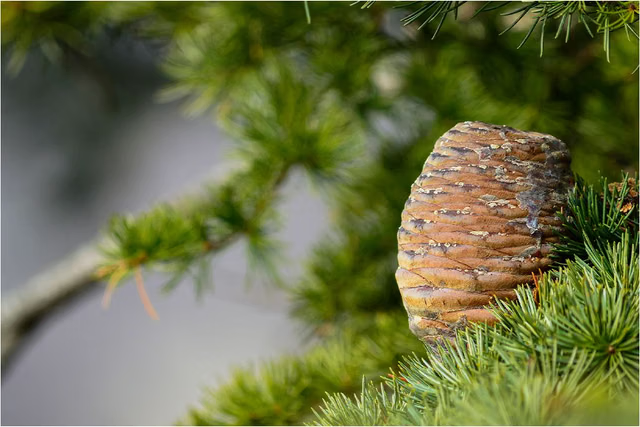
The therapeutic activity of Cedrus deodara is attributed to bioactive constituents including himachalol, atlantone, deodarone, sesquiterpenes, flavonoids, and volatile oils. These compounds exhibit significant anti-inflammatory and analgesic effects.1
Experimental studies have demonstrated that extracts of Devadaru inhibit inflammatory mediators and reduce edema in various models of inflammation. The plant also exhibits antioxidant activity, helping to protect musculoskeletal tissues from oxidative stress associated with chronic inflammatory conditions. Additionally, the essential oils possess mild muscle-relaxant and antispasmodic effects that may contribute to improved mobility and reduced discomfort.
Role in agnikarma-assisted pain management
Agnikarma exerts therapeutic effects through thermal analgesia, enhanced local circulation, neuromodulation, and reduction of muscle spasm.2 Following the procedure, Devadaru can help maintain pain relief and support tissue recovery.
The anti-inflammatory properties of Devadaru reduce residual swelling and tenderness around joints, tendons, and muscles. Its analgesic activity complements the pain-relieving effects of Agnikarma, while antioxidant actions help limit tissue damage caused by chronic inflammation.3 Improved circulation induced by thermal therapy may further facilitate tissue metabolism and enhance the effectiveness of herbal interventions.
From an Ayurvedic perspective, Devadaru alleviates aggravated Vata and Kapha, removes obstruction of channels (Srotorodha), and restores normal movement. These actions make it particularly useful in chronic painful conditions characterized by stiffness and heaviness.
Clinical applications
Devadaru-assisted Agnikarma therapy is commonly employed in:
- Osteoarthritis (Sandhivata)
- Rheumatoid arthritis (Amavata)
- Cervical spondylosis (Manyastambha)
- Lumbar spondylosis (Katigraha)
- Sciatica (Gridhrasi)
- Frozen shoulder (Avabahuka)
- Chronic muscular pain and stiffness
Traditional formulations containing Devadaru are frequently used as decoctions, medicated oils, and external applications to enhance pain relief and improve joint function.
Conclusion
Devadaru (Cedrus deodara) is an important Ayurvedic medicinal plant with significant anti-inflammatory, analgesic, antioxidant, and muscle-relaxant properties. When integrated with Agnikarma therapy, it offers a complementary approach to musculoskeletal pain management by addressing both symptomatic relief and underlying inflammatory mechanisms. The combined use of thermal therapy and Devadaru may improve mobility, reduce stiffness, and enhance overall functional recovery in chronic musculoskeletal disorders. Further clinical research is needed to establish standardized therapeutic protocols and strengthen the evidence supporting this integrative strategy.
Reference:
- Bisht A, Jain S, Misra A, Dwivedi J, Paliwal S, Sharma S. Cedrus deodara (Roxb. ex D.Don) G.Don: A review of traditional use, phytochemical composition and pharmacology. J Ethnopharmacol. 2021 Oct 28;279:114361. doi: 10.1016/j.jep.2021.114361. Epub 2021 Jun 22. PMID: 34166738. https://pubmed.ncbi.nlm.nih.gov/34166738/
- Samota B, Sharma S, Singh M, Sharma R, Garg P. Role of Agnikarma along with Ayurveda medication in management of trigger thumb - A Case Report. J Ayurveda Integr Med. 2026;17(2):101339. doi:10.1016/j.jaim.2026.101339 https://pmc.ncbi.nlm.nih.gov/articles/PMC12996233/
- Gupta, S. (2025) “Exploring the Analgesic Properties of Deodaru (Cedrus deodara) Ointment: A Pilot Study”, International Journal of Ayurvedic Medicine, 16(3), pp. 778–782. doi: 10.47552/ijam.v16i3.6162. https://ijam.co.in/index.php/ijam/article/view/6162