
Introduction
Dermatological infections encompass a broad spectrum of bacterial, fungal, viral, and parasitic conditions affecting the skin and its appendages. These infections are commonly associated with pathogens such as Staphylococcus aureus, Streptococcus pyogenes, dermatophytes, and opportunistic fungi, leading to conditions including impetigo, tinea infections, folliculitis, and infected eczema. Increasing antimicrobial resistance and recurrent infections have intensified the need for alternative and adjunctive therapeutic strategies.
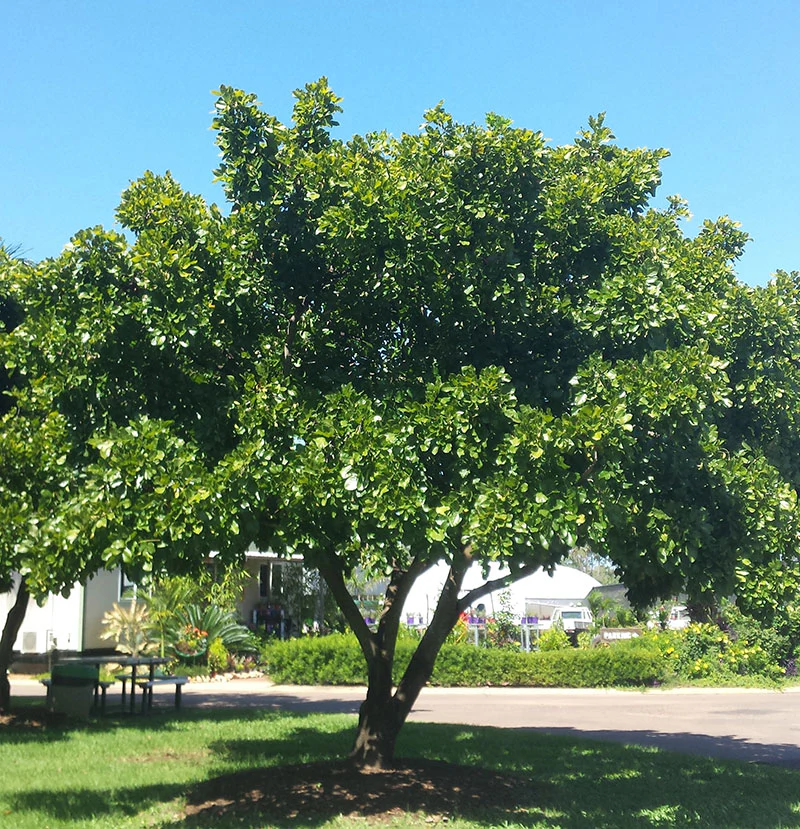
Karanja (Pongamia pinnata), a medicinal plant widely described in Ayurveda, has long been used in the management of skin disorders under the categories of Kushta (dermatological diseases) and Krimi (microbial/parasitic infections). Contemporary phytochemical studies have validated its antimicrobial, anti-inflammatory, and wound-healing properties, supporting its relevance in infectious dermatoses.
Phytochemical constituents of Pongamia pinnata
The therapeutic activity of Karanja is attributed to a diverse range of bioactive compounds, including:
- Flavonoids (karanjin, pongapin, pongamol)
- Triterpenoids and sterols
- Fatty acids (oleic, linoleic acid)
- Karanjic acid derivatives
- Alkaloids and glycosides
These constituents exhibit broad-spectrum antimicrobial and immunomodulatory properties.
Pathophysiology of dermatological infections: modern and Ayurvedic correlation
Modern perspective:
- Disruption of skin barrier integrity
- Microbial colonization and biofilm formation
- Activation of innate immune response and inflammation
- Release of pro-inflammatory cytokines (IL-1, TNF-α)
- Tissue damage and impaired healing
Ayurvedic perspective:
- Vitiation of Kapha and Pitta doshas
- Rakta dhatu dushti (blood tissue contamination)
- Accumulation of Ama (metabolic toxins)
- Obstruction of srotas leading to chronic skin pathology
Antimicrobial mechanisms of Karanja
Karanja (Pongamia pinnata) demonstrates significant antimicrobial activity through multiple mechanisms1:
- Disruption of microbial cell membrane integrity
- Inhibition of bacterial enzyme systems
- Suppression of fungal hyphal growth and spore formation
- Interference with microbial biofilm development
- Oxidative damage to microbial cellular components
These effects contribute to its broad-spectrum activity against gram-positive, gram-negative, and fungal pathogens.
Anti-inflammatory and immunomodulatory effects
Dermatological infections are often associated with intense inflammatory responses. Karanja exhibits:
- Inhibition of cyclooxygenase (COX) and lipoxygenase (LOX) pathways
- Reduction in pro-inflammatory cytokines (TNF-α, IL-6)
- Stabilization of mast cell-mediated inflammatory responses
- Modulation of macrophage activity and innate immunity
These actions help reduce erythema, swelling, and pruritus associated with skin infections.2
Wound healing and tissue regenerative properties
In addition to antimicrobial effects, Karanja supports skin repair through:
- Enhancement of fibroblast proliferation
- Promotion of collagen synthesis
- Acceleration of epithelial regeneration
- Improvement of angiogenesis in damaged tissues
- Reduction of oxidative stress in wound microenvironment
This makes it particularly useful in infected wounds and ulcerative skin lesions.
Therapeutic role in dermatological infections
Phytotherapeutic application of Pongamia pinnata contributes to:
- Control of bacterial and fungal skin infections
- Reduction of inflammatory skin lesions
- Prevention of secondary infection in wounds and eczema
- Acceleration of healing in infected ulcers
- Decrease in recurrence of chronic dermatoses
- Improvement of overall skin barrier function
Its multitarget activity allows simultaneous antimicrobial action and tissue repair support.
Advantages of Karanja-based phytotherapy
- Broad-spectrum antimicrobial activity against skin pathogens
- Natural anti-inflammatory and analgesic properties
- Promotion of wound healing and tissue regeneration
- Lower risk of resistance compared to conventional antibiotics
- Multi-compound synergistic pharmacological action
- Traditional validation in Ayurvedic dermatology (Kushta chikitsa)
- Potential for topical formulation in modern cosmeceuticals
Conclusion
Karanja (Pongamia pinnata) demonstrates significant phytotherapeutic potential in dermatological infections through its antimicrobial, anti-inflammatory, and wound-healing properties. Its multi-target pharmacological actions support its traditional Ayurvedic use in Kushta disorders and provide a strong scientific basis for its application in modern dermatology.
However, despite promising experimental evidence, further clinical studies are required to establish standardized formulations, optimize dosing strategies, and validate its efficacy in human dermatological infections.
References:
-
- Sajid ZI, Anwar F, Shabir G, Rasul G, Alkharfy KM, Gilani AH. Antioxidant, antimicrobial properties and phenolics of different solvent extracts from bark, leaves and seeds of Pongamia pinnata (L.) Pierre. Molecules. 2012;17(4):3917-3932. Published 2012 Mar 30. doi:10.3390/molecules17043917. https://pmc.ncbi.nlm.nih.gov/articles/PMC6268149/
- Rekha MJ, Bettadaiah BK, Muthukumar SP, Govindaraju K. Synthesis, characterization and anti-inflammatory properties of karanjin (Pongamia pinnata seed) and its derivatives. Bioorg Chem. 2021;106:104471. doi:10.1016/j.bioorg.2020.104471. https://pubmed.ncbi.nlm.nih.gov/33257003/