
Introduction
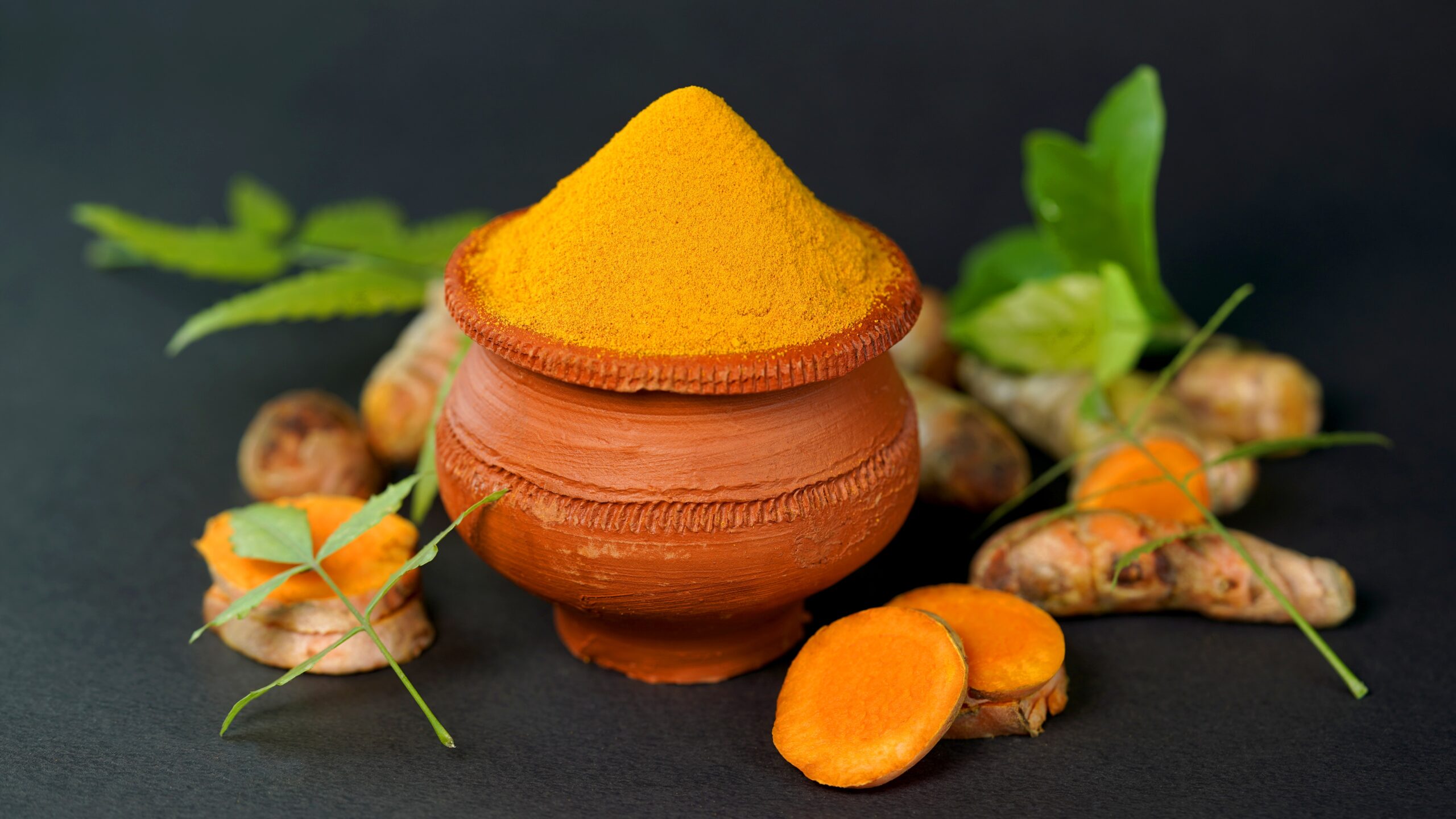
Ksharasutra therapy is a widely accepted Ayurvedic para-surgical procedure used for the management of ano-rectal disorders such as fistula-in-ano (Bhagandara), hemorrhoids (Arsha), and pilonidal sinus. The standard Ksharasutra is prepared by coating a surgical linen thread with Snuhi (Euphorbia neriifolia) latex, Apamarga Kshara (Achyranthes aspera alkali), and Haridra (Curcuma longa) powder. Among these components, Haridra plays a crucial role due to its potent antimicrobial, anti-inflammatory, antioxidant, and wound-healing properties. The principal bioactive constituent of Haridra, curcumin, has been extensively studied for its therapeutic effects on tissue repair and infection control. Recent evidence indicates that curcumin promotes wound healing by modulating inflammatory pathways, enhancing fibroblast proliferation, and accelerating collagen synthesis.1
Therapeutic role of haridra in ksharasutra therapy
Antimicrobial activity:
Haridra exhibits broad-spectrum antimicrobial activity against several bacterial and fungal pathogens commonly associated with wound infections. Curcumin disrupts microbial cell membranes, inhibits bacterial growth, and reduces biofilm formation. In Ksharasutra therapy, the outer coatings of Haridra help maintain a sterile environment within the fistulous tract, thereby minimizing the risk of secondary infection and recurrence.2
Anti-inflammatory effects:
Chronic inflammation is a major factor responsible for delayed healing in ano-rectal disorders. Curcumin suppresses pro-inflammatory mediators such as tumor necrosis factor-alpha (TNF-α), interleukin-1β, and nuclear factor-kappa B (NF-κB). By reducing local inflammation, Haridra alleviates pain, swelling, and tissue irritation, creating favorable conditions for wound repair.
Promotion of wound healing:
Haridra accelerates wound healing through multiple mechanisms. It stimulates fibroblast migration, collagen deposition, angiogenesis, and epithelialization. Clinical and experimental studies have demonstrated that curcumin-based formulations improve wound contraction and shorten healing time. These effects are particularly beneficial in Ksharasutra therapy, where simultaneous cutting and healing of the fistulous tract are essential for successful treatment.3
Antioxidant activity:
Reactive oxygen species generated during chronic inflammation can impair tissue regeneration. Curcumin acts as a powerful antioxidant by scavenging free radicals and protecting cells from oxidative damage. This property contributes to improved tissue remodeling and scar formation in healing fistulous tracts.
Synergistic action in ksharasutra:
Haridra works synergistically with Snuhi latex and Apamarga Kshara. While Apamarga Kshara provides chemical debridement and tract excision, and Snuhi acts as a drug-delivery medium, Haridra reduces inflammation and promotes wound healing. This combined action enables gradual cutting of the tract with simultaneous tissue repair, which is the hallmark of Ksharasutra therapy.
Applications in ano-rectal surgery:
In fistula-in-ano, Haridra-coated Ksharasutra facilitates healthy granulation tissue formation and prevents infection during the healing process.4 In hemorrhoids, it supports postoperative wound healing following Ksharasutra ligation. Similarly, in pilonidal sinus and chronic sinus tracts, Haridra helps maintain local antisepsis and accelerates tissue regeneration. The incorporation of Haridra into Ksharasutra contributes significantly to reduced recurrence rates, improved patient comfort, and preservation of anorectal function.
Conclusion
Haridra (Curcuma longa) is an indispensable component of Ksharasutra therapy owing to its potent antimicrobial, anti-inflammatory, antioxidant, and wound-healing properties. The presence of curcumin enhances infection control, promotes granulation tissue formation, accelerates epithelialization, and supports tissue remodeling. Through its synergistic interaction with Snuhi latex and Apamarga Kshara, Haridra contributes to the unique mechanism of simultaneous cutting and healing that makes Ksharasutra therapy effective in the management of fistula-in-ano and other ano-rectal disorders. Contemporary research continues to validate its therapeutic importance in both traditional and modern wound-care practices.
References:
- Singh H, Dhanka M, Yadav I, Gautam S, Bashir SM, Mishra NC, Arora T, Hassan S. Technological Interventions Enhancing Curcumin Bioavailability in Wound-Healing Therapeutics. Tissue Eng Part B Rev. 2024 Apr;30(2):230-253. doi: 10.1089/ten.TEB.2023.0085. Epub 2023 Dec 28. PMID: 37897069. https://pubmed.ncbi.nlm.nih.gov/37897069/
- Parvizi MM, Arefkia A, Dehghan Y, Salimi MA, Fazelzadeh Haghighi N. A Scoping Review of Clinical Trials on the Efficacy of Curcumin and Its Formulations for Wound Healing. J Cosmet Dermatol. 2025;24(12):e70615. doi:10.1111/jocd.70615 https://pmc.ncbi.nlm.nih.gov/articles/PMC12701545/
- Ansari L, Mashayekhi-Sardoo H, Baradaran Rahimi V, Yahyazadeh R, Ghayour-Mobarhan M, Askari VR. Curcumin-based nanoformulations alleviate wounds and related disorders: A comprehensive review. Biofactors. 2023 Jul-Aug;49(4):736-781. doi: 10.1002/biof.1945. Epub 2023 Mar 24. PMID: 36961254. https://pubmed.ncbi.nlm.nih.gov/36961254/
- Hariprasad CP, Kumar A, Kumar M, et al. The efficacy of Ksharsutra, Fistulectomy and Ligation of Intersphincteric Fistula Tract (LIFT) procedure in management of Fistula in ano a prospective observational study. BMC Surg. 2023;23(1):70. Published 2023 Mar 29. doi:10.1186/s12893-023-01969-w https://pmc.ncbi.nlm.nih.gov/articles/PMC10061687/