
Introduction
Chronic wounds or Dushta Vrana present a major clinical challenge due to persistent infection, poor vascularity, biofilm formation, and impaired tissue repair. In Ayurveda, such wounds are considered the result of Rakta, Pitta, and Kapha vitiation, along with local tissue contamination.
In classical surgical literature, Sushruta emphasized the importance of thorough wound debridement and cleansing before initiating healing therapies. Among para-surgical agents, Snuhi holds a significant position due to its ability to chemically assist in debridement and enhance wound tract management.1
Botanical and ayurvedic profile
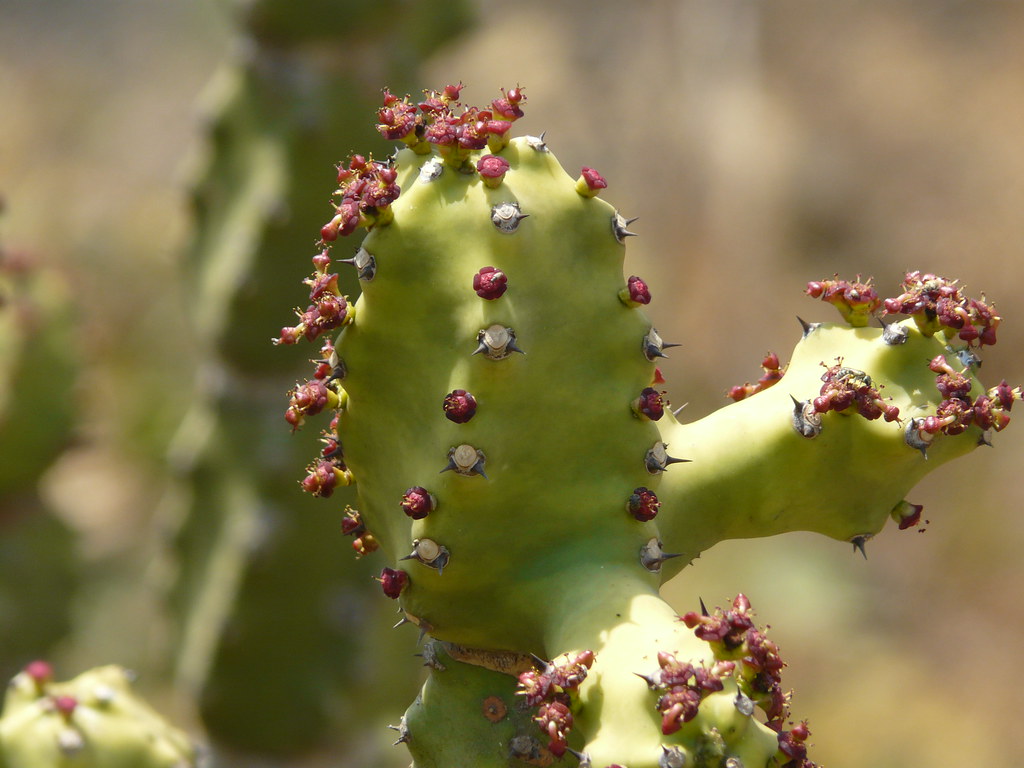
Snuhi (Euphorbia neriifolia) is described in Ayurveda with the following properties:
- Tikta and Katu Rasa (bitter and pungent taste)
- Ushna Virya (hot potency)
- Tikshna Guna (sharp and penetrating quality)
- Katu Vipaka (pungent post-digestive effect)
Classical actions include:
- Shodhana (cleansing)
- Lekhana (scraping necrotic tissue)
- Krumighna (antimicrobial)
- Vrana Shodhana (wound cleansing)
- Vranaropana (supporting healing after purification)
These properties make Snuhi particularly suitable for surgical and para-surgical applications in chronic wounds.
Phytopharmacological basis
Proteolytic and debriding activity:
The latex of Snuhi contains proteolytic enzymes that help in breaking down necrotic tissue and slough. This facilitates chemical debridement of chronic wounds and sinus tracts, creating a cleaner wound bed for healing.
Antimicrobial effects:
Bioactive compounds in Snuhi latex demonstrate antibacterial and antifungal activity against wound pathogens.2 This helps reduce microbial load and biofilm formation in Dushta Vrana.
Anti-inflammatory action:
Snuhi exhibits modulation of inflammatory mediators, reducing excessive local inflammation. This supports transition from the inflammatory phase to the proliferative phase of wound healing.
Caustic and tissue-resolving properties:
Due to its Tikshna and irritant nature, Snuhi induces controlled tissue destruction, which is therapeutically used in para-surgical procedures such as Kshara Sutra preparation and fistula tract management.
Role in surgical and para-surgical management
Kshara Sutra preparation:
Snuhi latex is a key binding and coating agent in Kshara Sutra, where it enhances the medicinal coating capacity of alkaline substances like Apamarga Kshara and Haridra. It contributes to:
- Sustained drug delivery
- Mechanical cutting of fistulous tracts
- Simultaneous healing of tissues
Chemical debridement of Dushta Vrana:
Applied in controlled settings, Snuhi latex helps remove necrotic tissue and slough, preparing the wound bed for healing.
Management of sinus and fistulous tracts:
Its irritant and fibrosing properties help in tract obliteration and promote gradual healing from within.
Supportive role in surgical wound care:
When used after proper purification (Shodhana), it supports granulation tissue formation and wound contraction.
Clinical applications
Snuhi-based interventions are used in:
- Dushta Vrana (chronic infected wounds)
- Fistula-in-ano (Bhagandara)
- Sinus tracts
- Chronic non-healing ulcers
- Infected surgical wounds
- Para-surgical procedures like Kshara Sutra therapy
Conclusion
Snuhi (Euphorbia neriifolia) is a potent para-surgical agent in Ayurvedic wound management, particularly in Dushta Vrana. Its proteolytic, antimicrobial, anti-inflammatory, and caustic properties make it valuable for chemical debridement and fistula management. When used judiciously within classical surgical protocols, it significantly enhances wound cleansing and supports healing processes. Contemporary understanding of its phytochemistry further validates its role in integrative surgical wound care.
Reference:
- Sultana A, Hossain MJ, Kuddus MR, et al. Ethnobotanical Uses, Phytochemistry, Toxicology, and Pharmacological Properties of Euphorbia neriifolia Linn. against Infectious Diseases: A Comprehensive Review. Molecules. 2022;27(14):4374. Published 2022 Jul 8. doi:10.3390/molecules27144374 https://pmc.ncbi.nlm.nih.gov/articles/PMC9319654/
- Kirbag S, Erecevit P, Zengin F, Guvenc AN. Antimicrobial activities of some Euphorbia species. Afr J Tradit Complement Altern Med. 2013;10(5):305-309. Published 2013 Aug 12. doi:10.4314/ajtcam.v10i5.13 https://pmc.ncbi.nlm.nih.gov/articles/PMC3847420/