
Introduction
Hair is widely recognized across cultures as an important determinant of aesthetics, identity, and social perception, which has contributed to the growing demand for cosmetic hair and scalp care products. Among these, shampoos represent a fundamental component of routine hair hygiene, primarily intended for the removal of sebum, dirt, desquamated epithelial cells, and environmental pollutants accumulated on the scalp and hair shafts. Regular cleansing plays a key role in maintaining scalp homeostasis and overall hair health.
Beyond basic cleansing, modern shampoo formulations are increasingly designed to deliver multifunctional benefits, including improved hair manageability, maintenance of scalp moisture balance, enhancement of hair gloss, reduction of hair fall, and prevention of dandruff formation. Consequently, a wide variety of specialized shampoos are commercially available, including daily-use shampoos, conditioning shampoos, anti-dandruff formulations, anti-hair fall products, pediatric shampoos, and dry shampoos, each tailored to specific cosmetic and dermatological needs.
However, most commercially available shampoos are predominantly formulated using synthetic surfactants, preservatives, fragrances, and conditioning agents. Concerns have been raised regarding the potential adverse effects associated with prolonged exposure to certain synthetic ingredients, including scalp irritation, disruption of the epidermal barrier, dryness, hypersensitivity reactions, follicular irritation, and exacerbation of dandruff in susceptible individuals. These safety concerns, coupled with increasing consumer awareness, have contributed to a growing preference for natural and plant-based hair care formulations.
In this context, herbal and naturally derived shampoos have gained significant attention due to their favorable safety profile, biodegradability, and therapeutic potential. Plant-based ingredients are rich sources of bioactive compounds such as antioxidants, flavonoids, alkaloids, tannins, and essential oils, which exhibit antimicrobial, antifungal, anti-inflammatory, and scalp-protective properties. In addition, products derived from renewable natural sources are increasingly valued for their environmental sustainability, biocompatibility, and alignment with global ecological goals, including the United Nations Sustainable Development Goals (SDGs).
Botanical herbs and their functional role in hair care1
Botanical extracts continue to represent one of the most prominent global claims in the hair care industry, particularly in shampoo and conditioner formulations. The increasing demand for phytochemical-based hair care products, especially in the Asia-Pacific region, is driven by rising consumer preference for natural, sustainable, minimally processed, and environmentally friendly alternatives to synthetic formulations.
This growing inclination toward botanically derived shampoos is further supported by the long-standing ethnopharmacological use of plants in traditional healthcare systems. Herbal ingredients have been extensively utilized for hair care and hair growth promotion in ancient medicinal systems such as Ayurveda, Traditional Chinese Medicine, and Unani medicine, reflecting a rich heritage of plant-based dermatological practices. Historically, various plant extracts and herbal preparations have been incorporated into daily hair care routines in the form of pastes, decoctions, infusions, and expressed juices.
In this context, the present review focuses on six selected medicinal herbs with established relevance in hair care, highlighting their therapeutic roles, physicochemical characteristics, biological activities, and key phytochemical constituents.
|
Plant name |
Family |
Common name |
Functions |
|
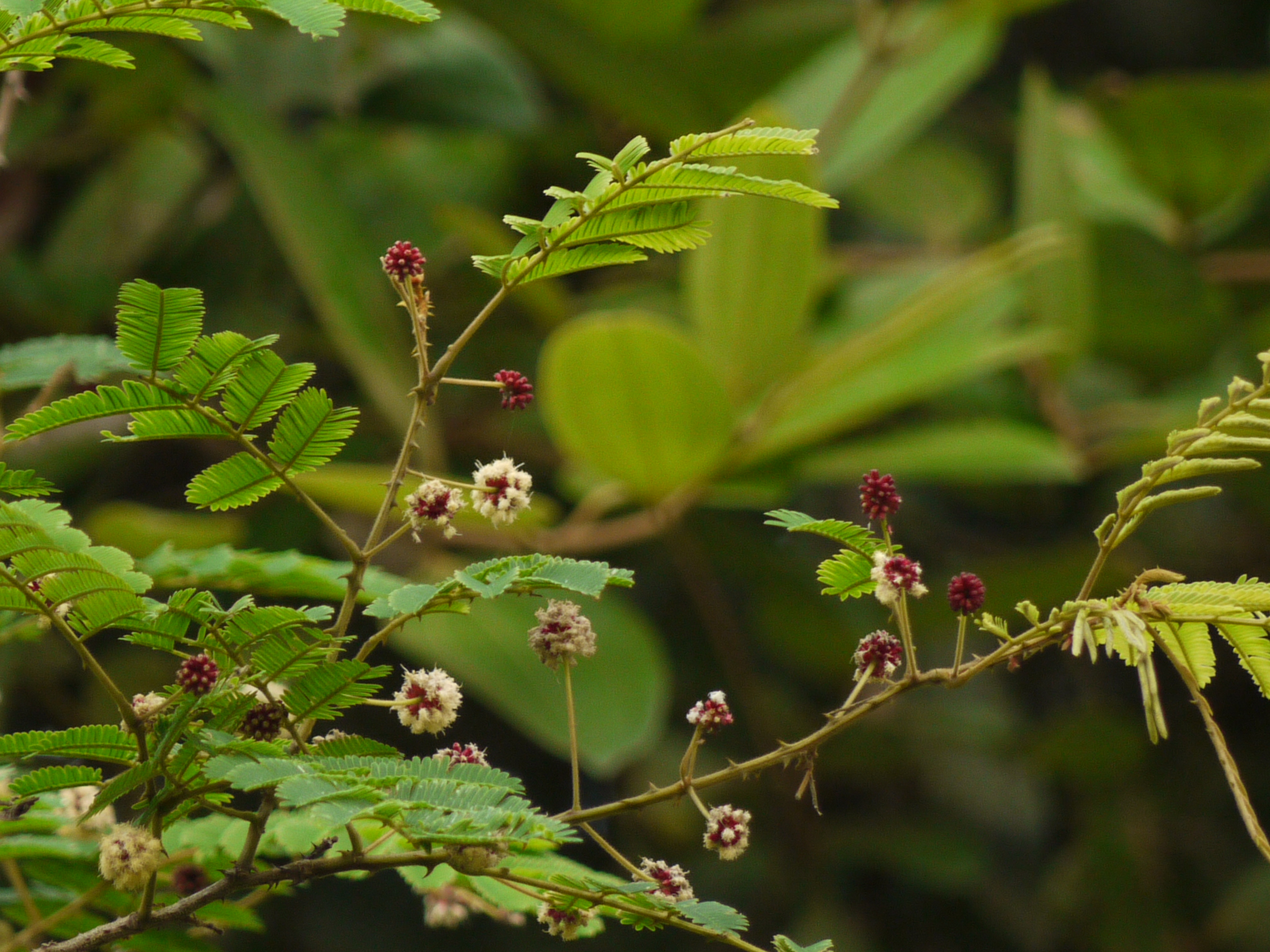
Acacia concinna |
Fabaceae |
Shikakai |
Surfactant, foaming agent, hair conditioning, hair volumizing, hair strengthening, hair growth, anti-bacterial, anti-dandruff |
|
Camellia oleifera |
Theaceae |
Tea tree |
Surfactant, foaming agent, emulsifier, anti-oxidant, anti-microbial, and preservative |
|
Azadirachta indica |
Meliaceae |
Neem |
Anti-dandruff, and anti-lice. |
|
Emblica officinalis |
Phyllanthaceae |
Amla, |
Anti-hair loss, hair growth promoter, hair strengthening, hair pigmentating (hair tanning), hair moisturizing, hair conditioning agents, hair protecting from ultraviolet radiation and anti-dandruff. |
|
Sapindus mukorossi |
Sapindaceae |
Reetha, |
Surfactant, foaming agent, emulsifier, anti-microbials, anti-dandruff, hair nourishing, and hair restoring agents. |
|
Garcinia mangostana |
Guttiferae |
Mangosteen |
Anti-oxidant, anti-inflammatory, anti-bacterial, anti-fungal, anti-dandruff, preservative, hair growth promoter, and hair tanning agents |
Conclusion and perspectives
Botanical extracts have long been utilized in traditional and contemporary hair care practices due to their rich content of bioactive phytochemicals. These plant-derived constituents contribute to scalp cleansing, maintenance of cutaneous homeostasis, and improvement of hair fiber quality, with a generally favorable safety profile when appropriately formulated. Experimental and clinical evidence suggests that various botanical extracts exert beneficial effects on skin, hair, and scalp physiology through antioxidant, anti-inflammatory, antimicrobial, and sebum-regulating mechanisms.
In modern cosmeceutical science, plant-derived ingredients are increasingly being incorporated into multifunctional hair care formulations as natural alternatives to synthetic agents. They are used as surfactants, moisturizers, conditioning agents, antidandruff compounds, and cleansing agents, reflecting their broad functional applicability. Consequently, botanical-based cosmetics represent a rapidly expanding segment within the global personal care and cosmeceutical market.
Current market trends indicate a sustained shift toward natural, sustainable, and “clean-label” formulations, driven by increasing consumer awareness regarding product safety, environmental impact, and long-term scalp health. In response, cosmetic industries are investing significantly in research and development of phytochemical-based hair care products aimed at addressing common scalp and hair disorders, including dandruff, seborrheic dermatitis, hair fall, and scalp irritation.
Overall, botanical extracts are expected to play an increasingly important role in future hair care innovations, supported by ongoing advances in phytochemistry, dermatological research, and sustainable product development.
References:
- Sang SH, Akowuah GA, Liew KB, et al. Natural alternatives from your garden for hair care: Revisiting the benefits of tropical herbs. Heliyon. 2023;9(11):e21876. Published 2023 Nov 7. doi:10.1016/j.heliyon.2023.e21876. https://pmc.ncbi.nlm.nih.gov/articles/PMC10685248/