
Introduction
Bronchial asthma is a chronic inflammatory disorder of the airways characterized by airway hyper-responsiveness and recurrent episodes of wheezing, breathlessness, chest tightness, and cough. The chronic inflammatory process contributes to airway dysfunction and symptom recurrence, affecting respiratory health and quality of life. Despite the availability of conventional treatment options, the prevalence of bronchial asthma continues to increase, emphasizing the need for comprehensive therapeutic approaches. 1
Therapeutic relevance of Bharangi
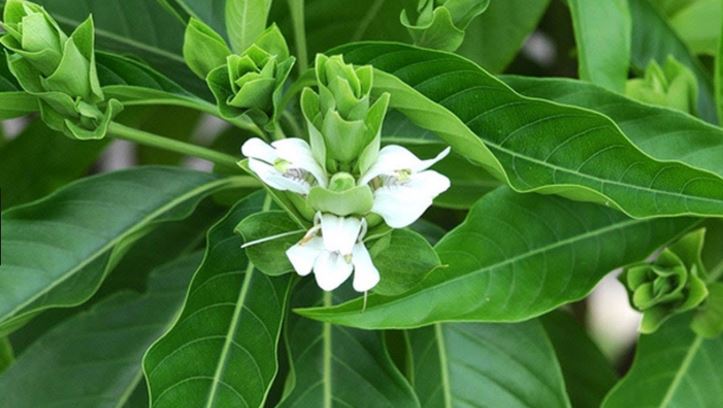
- Bharangi (Clerodendrum serratum) is regarded as one of the most valuable herbs for respiratory ailments in Ayurvedic practice. It has traditionally been used in conditions affecting the respiratory system and is particularly valued for its ability to liquefy mucus and facilitate its clearance from the airways. These properties support its use in respiratory disorders characterized by congestion, excessive secretions, and impaired airway function.
- The herb is traditionally associated with the management of respiratory conditions such as colds, bronchitis, bronchial asthma, and tuberculosis. Its role in respiratory care is linked to its ability to support airway clearance and promote respiratory comfort. Because respiratory disorders are often accompanied by mucus accumulation and breathing difficulty, herbs that assist in maintaining airway patency remain important components of Ayurvedic respiratory management.
- The traditional use of Bharangi across a broad spectrum of respiratory complaints highlights its continued relevance in respiratory healthcare. Its longstanding association with conditions involving airway congestion and breathing difficulties underscores its significance as a supportive herb in respiratory disorders, particularly those characterized by excessive mucus accumulation. 2
Conclusion
Bharangi holds a significant place in Ayurvedic respiratory care due to its traditional use in mucus regulation and respiratory support. Its relevance in conditions such as bronchial asthma, bronchitis, and other respiratory ailments highlights its value as a therapeutic herb for maintaining respiratory health and supporting airway function.
References:
1. Braman SS. The global burden of asthma. Chest. 2006;130(1 Suppl):4S-12S. doi:10.1378/chest.130.1_suppl.4S. https://linkinghub.elsevier.com/retrieve/pii/S0012-3692(15)32952-4
2. Kajaria D, Tripathi JS, Tiwari SK, Pandey BL. Anti-histaminic, mast cell stabilizing and bronchodilator effect of hydroalcoholic extract of polyherbal compound- Bharangyadi. Anc Sci Life. 2012;31(3):95-100. doi:10.4103/0257-7941.103182. https://pmc.ncbi.nlm.nih.gov/articles/PMC3530345/#ref-list1