Introduction
Marma therapy is a classical Ayurvedic intervention based on stimulation of vital anatomical points (marma sthanas) described in Sushruta Samhita. These points are considered junctions of muscle, vessel, nerve, bone, and joint tissues and are regarded as seats of Prana. In neurological disorders, marma therapy is traditionally used to manage pain, restore nerve function, and improve neuromuscular coordination. This review explores its Ayurvedic basis, proposed neurophysiological mechanisms, and potential clinical relevance in neurological pain and dysfunction. Neurological disorders such as neuropathic pain, sciatica, peripheral neuropathy, post-stroke spasticity, and cervical radiculopathy present significant therapeutic challenges. Conventional management often relies on pharmacological agents with limited long-term efficacy and potential side effects.
Ayurveda attributes neurological dysfunction primarily to aggravated Vata dosha, which governs all neural impulses, movement, and sensory transmission. Marma therapy is described as a targeted approach to regulate Vata, improve nerve conductivity, and restore functional balance.
Classical ayurvedic perspective of marmas
According to Sushruta, there are 107 marma points classified based on tissue composition and injury outcomes:
- Sadyo Pranahara (fatal)
- Kalantara Pranahara (delayed fatal)
- Vaikalyakara (disability-causing)
- Rujakara (pain-producing)
- Vishalyaghna
Marma points such as Talahridaya, Ani, Kshipra, and Neela are traditionally associated with neurological regulation and pain modulation.
These sites are considered sensitive control points where disturbance can affect both motor and sensory functions, indicating a close relationship with neurovascular structures.
Marma therapy in neurological disorders
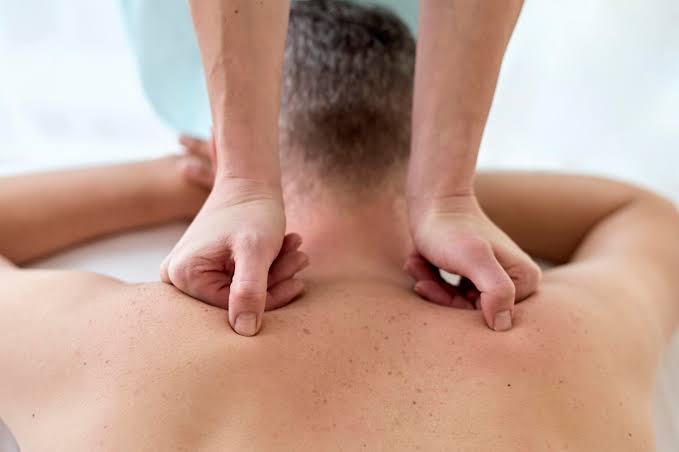
Marma therapy involves gentle stimulation through pressure, massage, or medicated oil application. In neurological conditions, it is used to:
- Reduce neuropathic pain
- Improve nerve conduction
- Relieve muscle spasm and rigidity
- Enhance motor recovery after neurological injury
- Reduce sensory disturbances such as tingling and numbness
Common clinical indications include:
- Sciatica
- Cervical radiculopathy
- Peripheral neuropathy (including diabetic neuropathy)
- Bell’s palsy
- Post-stroke motor impairment
- Trigeminal neuralgia (supportive care)
Proposed mechanisms of action
Neuromodulation:
Marma stimulation may activate peripheral sensory afferents, influencing spinal cord pain gating mechanisms and reducing pain perception.
Autonomic regulation:
It may balance sympathetic overactivity, which is commonly elevated in chronic neurological pain states.
Neurovascular enhancement:
Improved local circulation may support nerve regeneration and metabolic recovery in damaged neural tissues.
Myofascial relaxation:
Reduction of muscle tension surrounding nerve pathways can decrease compressive neuropathic symptoms.
Vata modulation (Ayurvedic model):
Marma therapy is believed to regulate disturbed Vata dosha, thereby normalizing neural signal transmission and motor coordination.
Clinical relevance and evidence status
Preliminary clinical observations and small studies suggest improvement in pain scores, functional mobility, and quality of life in patients receiving marma therapy as an adjunct intervention. However, current evidence remains limited to pilot studies and observational reports.
Comparative analyses suggest conceptual similarities between marma points, acupuncture points, and myofascial trigger points, particularly in their role in pain modulation and neuromuscular regulation.
Limitations
- Lack of large-scale randomized controlled trials
- Absence of standardized marma stimulation protocols
- Variability in practitioner technique
- Limited neurophysiological validation
Conclusion
Marma therapy represents a traditional Ayurvedic neurotherapeutic approach with potential applications in neurological disorders. Its effects on pain modulation, neuromuscular balance, and autonomic regulation suggest a promising role as an adjunct in integrative neurology. However, rigorous clinical trials and mechanistic studies are required to validate its efficacy and standardize its application in modern neurological practice.2
Reference:
- Hirekatur, Ravi & Durve, Anisha & Dhruva, Anand. (2025). An Introduction to Ayurvedic Marma Therapy. Integrative and Complementary Therapies. 32. 10.1177/27683192251408985. https://www.researchgate.net/publication/399200459
- Lin, Jaung-Geng & Kotha, Peddanna & Chen, Yi-Hung. (2022). Understandings of acupuncture application and mechanisms. American journal of translational research. 14. 1469-1481. https://www.researchgate.net/publication/369298244