
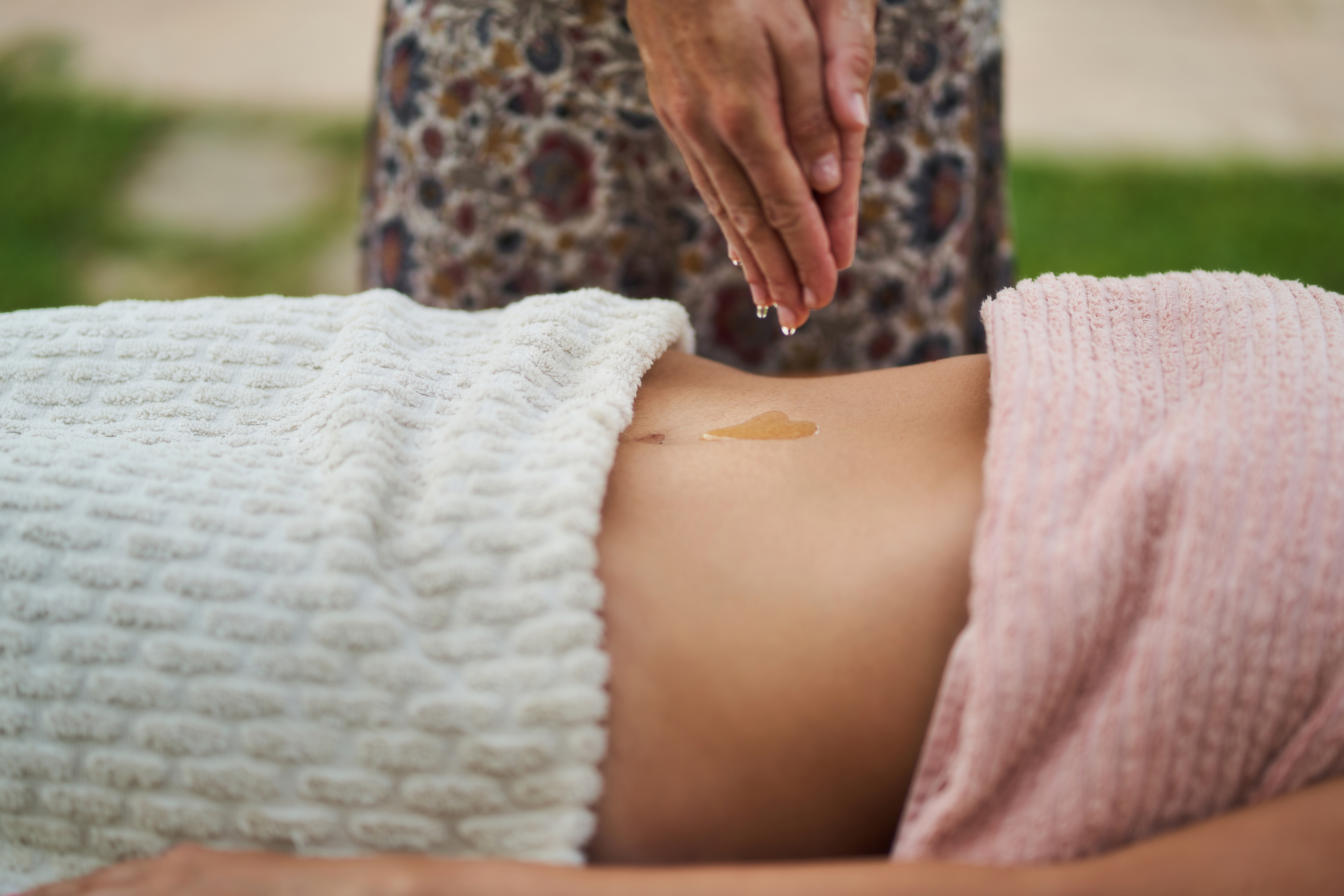
Women's health encompasses reproductive, menstrual, hormonal, and gynaecological well-being across different stages of life. In Ayurveda, among Panchakarma procedures, Basti is regarded as the principal therapy for disorders caused by aggravated Vata Dosha. Matra Basti, a subtype of Sneha Basti, is administered in small quantities of medicated oil and is especially indicated in elderly individuals, debilitated patients, chronic Vata disorders, and conditions associated with tissue depletion. Owing to its Vatahara, Brimhana, and Rasayana properties, Matra Basti is considered a rational therapeutic option for different gynaecological conditions.
Therapeutic properties of Matra Basti1
|
Therapeutic property |
Description |
|
Vata Shamana (Pacification of Vata) |
Matra Basti is traditionally described as pacifying aggravated Vata Dosha, which governs movement, neurological functions, excretion, and reproductive physiology in Ayurveda. Its regulation is considered beneficial in addressing pain, insomnia, constipation, anxiety, and musculoskeletal stiffness that may occur during menopause. |
|
Balya and Ojovardhana (Strength promotion and Ojas enhancement) |
Regular administration of medicated oil through Matra Basti is traditionally associated with promoting Bala (strength) and supporting Ojas, which represents vitality and overall well-being in Ayurveda. These properties are considered relevant to maintaining physical strength and psychological well-being and potentially supporting quality of life during the postmenopausal period. |
|
Brimhana (Nourishment) |
The administration of Sneha (medicated oil or ghee) through Matra Basti is traditionally believed to nourish body tissues and support tissue maintenance. This action is considered relevant during menopause, when progressive Dhatu Kshaya (tissue depletion), as described in Ayurveda, may be associated with fatigue, muscle weakness, reduced bone strength, and diminished physical endurance. |
|
Rasayana (Rejuvenation) |
Matra Basti is described in Ayurvedic literature as a rejuvenative therapy intended to promote vitality, resilience, and healthy ageing. Its traditional Rasayana properties are considered relevant to menopausal women experiencing age-related physiological changes. However, further clinical research is needed to establish these effects and their relevance to menopausal health. |
Matra Basti in gynaecological health
Polycystic ovarian syndrome (PCOS): In Ayurveda, PCOS is mentioned under the headings of Yonivyapad (gynecological disorder), Artava dusti (menstrual blood disorder), Aartavkshaya (depletion of menstrual fluid with ovary dysfunction), or Nastaartava (ceases of menstrual fluid with ovary dysfunction). Currently, the suggested treatment for PCOS is lifestyle modification, pharmacological interventions, and elective surgery. It has been shown that Snehana, Swedana, followed by Matra basti with Phala ghrita can counter Avarana of Artavasrotas (fallopian or uterine tubes) and restore normalization of menstrual cycles. Phala ghrita contains the property of Yonidoshahara (greatest ability to treat all diseases related to female reproductive organs). Hence, the Matra basti with Phala ghrita after Snehana and Swedana follows the line of management of Yonivyapada and Nastartava. Favourable outcome through this management has been noted.2
Dysmenorrhea (Kashta Artav): Ayurveda recommends Ritucharya and Dinacharya, diet modulation and Yoga in the form of Asanas, Pranayam and meditation on a regular basis so as to alleviate dysmenorrhoea effectively. Similarly, Uttarbasti, Garbhashaya Balya Aushadhi, Anuvasana or Matra Basti can also be administered if necessary. Matra Basti specifically targets derangement of Vata in menstrual problems. Probable mode of action of Matra Basti3:
- Regulation of Apana Vata:
- In Ayurveda, Matra Basti is traditionally considered beneficial for Vatanulomana, or the normalization of Vata movement, particularly Apana Vata, which is associated with menstruation and excretory functions.
- Regulation of Apana Vata is proposed to help alleviate menstrual discomfort associated with dysmenorrhoea.
- Modulation of the enteric nervous system:
- The gut contains an extensive network of neural, immune, and sensory cells that communicate with local regulatory systems and the central nervous system (CNS).
- Rectal administration through Basti may stimulate visceral sensory pathways and the enteric nervous system (ENS), potentially influencing neural regulation and gut–brain communication.
- Influence on neurohormonal pathways:
- Visceral afferent stimulation may influence the hypothalamic–pituitary–adrenal (HPA) axis and the autonomic nervous system.
- These pathways are involved in neurotransmitter and hormonal signalling, which may contribute to the regulation of physiological responses associated with menstrual pain.
- Potential modulation of inflammatory mediators:
- Prostaglandins play an important role in uterine contractions and menstrual pain.
- The proposed mechanism suggests that Matra Basti may influence inflammatory mediators, including prostaglandins, although direct evidence demonstrating these effects remains limited.
- Relief of muscular spasm:
- In Ayurvedic theory, aggravated Apana Vata may contribute to Sankocha (spasm) and disturbed menstrual flow.
- Medicated oils used in Matra Basti are traditionally believed to possess Sookshma, Vyavayi, and Vikasi properties, which are described as facilitating penetration and spread through bodily channels. Their proposed role in relieving menstrual spasms requires further scientific validation.
- Integrated regulation of pain pathways:
- The proposed interaction between visceral sensory stimulation, neural signalling, autonomic responses, and neurohormonal pathways may help explain the hypothesized effects of Matra Basti on dysmenorrhoea.
- However, these mechanisms remain theoretical, and robust clinical and mechanistic studies are needed to establish the efficacy and physiological effects of Matra Basti in menstrual pain.
Pregnancy (Prasava):
Matra basti and yoni pichu helps in the reducing physiological discomforts in pregnancy. In normal course of labour, woman can deliver spontaneously but the time duration for labour is very long. Matra basti and yoni pichu can reduce the time taken for labour.4
Menopausal symptoms: Ayurveda offers such a holistic perspective by interpreting menopause as Rajonivritti, a physiological consequence of ageing associated with Vata predominance and Dhatu Kshaya. Matra Basti is regarded as particularly suitable because of its ability to pacify Vata, restore lubrication (Snehana), and support healthy ageing (Rasayana). Unlike evacuative forms of Basti, Matra Basti emphasizes nourishment and functional restoration rather than elimination.1
Conclusion
Matra Basti is a traditional Ayurvedic therapy considered relevant to women's health because of its Vata Shamana, Brimhana, and Rasayana properties. Its potential applications in conditions such as dysmenorrhoea, PCOS, pregnancy-related discomforts, and menopausal symptoms have been described in Ayurvedic literature and preliminary clinical studies. However, the available evidence remains limited, and its efficacy and safety for specific gynaecological conditions require further evaluation through well-designed clinical trials. Integrating classical Ayurvedic principles with scientific research may help clarify its therapeutic potential and establish its appropriate role in comprehensive women's healthcare.
References:
- Yadav S, Kumbar J, Sharma R, Sharma S. Role of Matra Basti in the management of menopausal syndrome: a comprehensive review of classical concepts and clinical evidence. Int J Drug Deliv Technol. 2026;16(86s):1495-1500. doi:10.25258/ijddt.16.86s.130. https://impactfactor.org/PDF/IJDDT/16/IJDDT,Vol16,Issue86s,Article130.pdf
- Singh SK, Rajoria K, Sharma S, Regar AK, Jangir RK, Gupta K. Role of Matra basti in polycystic ovary syndrome: A case report. Journal of Ayurveda Case Reports. 2022 Jan 1;5(1):45-8. DOI: 10.4103/jacr.jacr_46_21. https://www.ovid.com/jnls/jacr/fulltext/10.4103/jacr.jacr_46_21~role-of-matra-basti-in-polycystic-ovary-syndrome-a-case?an=02273314-202205010-00009
- Sharma R, Mehta S. Role of Matra Basti in management of Kashta Artav w.s.r. to dysmenorrhoea. Ayurvedic Health Care Journal. 2022;1(6):60-67. https://research.ishanayurved.com/pdf/role-of-matra-basti-in-management-of-kashta-artav-w-s-r-to-dysmenorrhoea-hxdiav.pdf
- Beragi S, Sunita. Effect of Matra Basti and Yoni Pichu (Navama Maasa Paricharya) on Prasava. Rajiv Gandhi University of Health Sciences (India). 2011. 30560777. https://www.proquest.com/openview/cf519f8cba59df5d88685dc4f2e849e8/1?pq-origsite=gscholar&cbl=2026366&diss=y