
Introduction
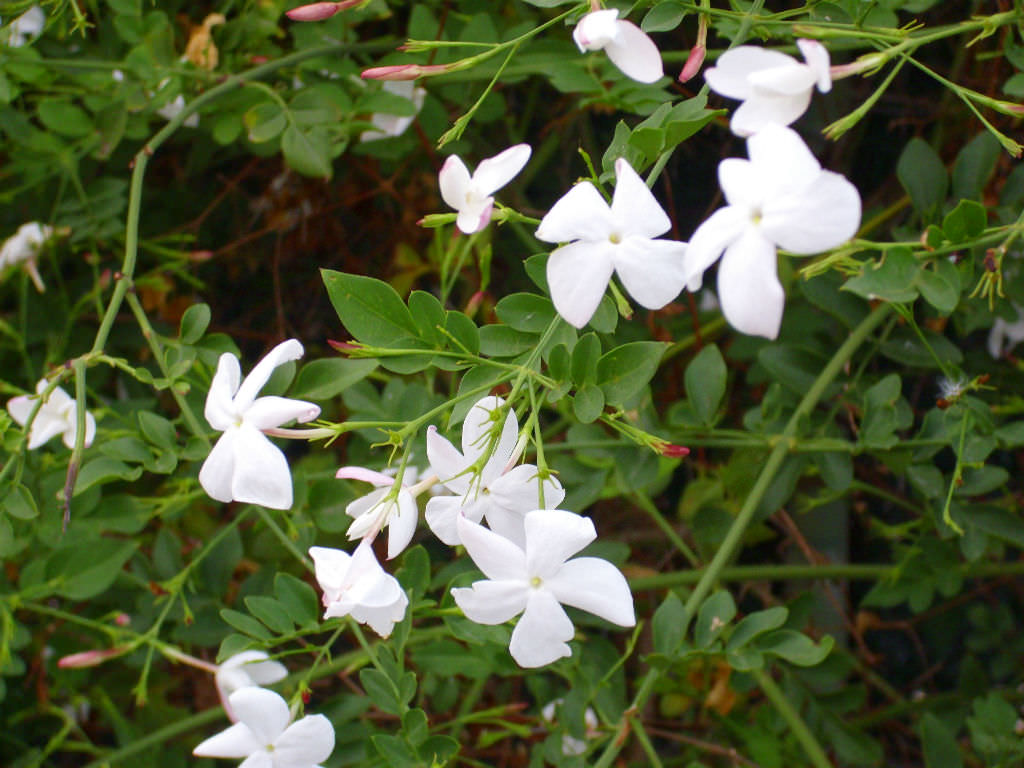
Vrana Ropana (wound healing) is a fundamental concept in Ayurveda, emphasizing the restoration of tissue integrity, prevention of infection, and promotion of healthy granulation tissue formation. Among the numerous medicinal plants described in classical Ayurvedic texts for wound management, Jati (Jasminum officinale) holds a significant position due to its potent Vrana Ropana (healing), Shothahara (anti-inflammatory), and Krimighna (antimicrobial) properties. Traditionally, different parts of the plant—especially leaves and flowers—have been used in topical formulations for treating acute and chronic wounds, ulcers, skin infections, and inflammatory lesions.1
Classical ayurvedic perspective
In Ayurvedic literature, Jati is described as a valuable herb in the management of Vrana (wounds) due to its ability to cleanse, disinfect, and promote rapid tissue repair. The plant is often included in herbal formulations for external application in conditions involving suppuration, delayed healing, and contaminated wounds. Its Tikta (bitter) and Kashaya (astringent) Rasa, along with Laghu and Ruksha Guna, contribute to its drying, cleansing, and healing effects on diseased tissue.
Classically, Jati leaves are used in poultices and decoctions, while flower extracts are incorporated into medicated oils and ointments for wound care.2
Pharmacological properties relevant to wound healing
Antimicrobial Activity (Krimighna Effect):
Jati exhibits significant antimicrobial properties against a range of gram-positive and gram-negative bacteria. Phytoconstituents such as flavonoids, alkaloids, and terpenoids inhibit microbial growth and prevent secondary infection in wounds. This makes it useful in infected and non-healing ulcers.
Anti-inflammatory action (Shothahara):
Inflammation is a major barrier to wound healing. Extracts of Jasminum officinale reduce inflammatory mediators, thereby decreasing edema, pain, and erythema. This creates a favorable environment for tissue regeneration.
Wound healing (Vrana Ropana):
Jati promotes fibroblast proliferation, collagen synthesis, and epithelialization. These processes accelerate wound contraction and closure. The plant also supports angiogenesis, which is essential for supplying nutrients and oxygen to regenerating tissues.
Antioxidant activity:
Oxidative stress delays wound healing by damaging cellular structures. Jati contains antioxidant compounds that neutralize free radicals and protect tissues from oxidative injury, thereby enhancing repair mechanisms.
Classical applications in vrana management
Wound cleansing (Vrana shodhana):
Decoctions of Jati leaves are traditionally used for washing wounds. This helps in removing debris, pus, and necrotic material, thereby preparing the wound bed for healing.
Topical application in Ulcers:
Leaf paste is applied directly over chronic ulcers to reduce infection, inflammation, and discharge. This supports granulation tissue formation and faster healing.
Medicated oils (Taila preparation):
Jati flowers and leaves are used in preparation of medicated oils applied in non-healing wounds, burns, and skin infections. These formulations provide sustained therapeutic effects.
Management of infected wounds:
Due to its Krimighna properties, Jati is particularly effective in infected wounds where microbial load delays healing. It helps control infection while simultaneously promoting tissue repair.
Clinical relevance in modern practice
Recent pharmacological studies have validated several traditional claims of Jasminum officinale. Experimental models have demonstrated its antibacterial, anti-inflammatory, and wound contraction properties. These findings support its use in modern herbal wound-care formulations, particularly for chronic wounds, diabetic ulcers, and surgical wound management. Its low toxicity profile further enhances its suitability for topical therapeutic applications.
Conclusion
Jati (Jasminum officinale) is an important medicinal plant in Ayurveda with strong Vrana Ropana (wound healing) potential. Its antimicrobial, anti-inflammatory, antioxidant, and tissue-regenerative properties make it highly effective in the management of both acute and chronic wounds. Classical Ayurvedic applications such as wound washing, topical pastes, and medicated oils remain relevant even today, supported by emerging pharmacological evidence. Jati continues to serve as a safe, effective, and natural option for promoting wound healing in integrative medical practice.3
Reference:
- Chaturvedi AP, Kumar M, Tripathi YB. Efficacy of Jasminum grandiflorum L. leaf extract on dermal wound healing in rats. Int Wound J. 2013;10(6):675-682. doi:10.1111/j.1742-481X.2012.01043.x https://pmc.ncbi.nlm.nih.gov/articles/PMC7950778/
- Nayak BS, Mohan K. Influence of ethanolic extract of Jasminum grandflorum linn flower on wound healing activity in rats. Indian J Physiol Pharmacol. 2007;51(2):189-194. https://pubmed.ncbi.nlm.nih.gov/18175666/
- Arun M, Satish S, Anima P. Evaluation of wound healing, antioxidant and antimicrobial efficacy of Jasminum auriculatum Vahl. leaves. Avicenna J Phytomed. 2016;6(3):295-304. https://pmc.ncbi.nlm.nih.gov/articles/PMC4930536/