
Introduction
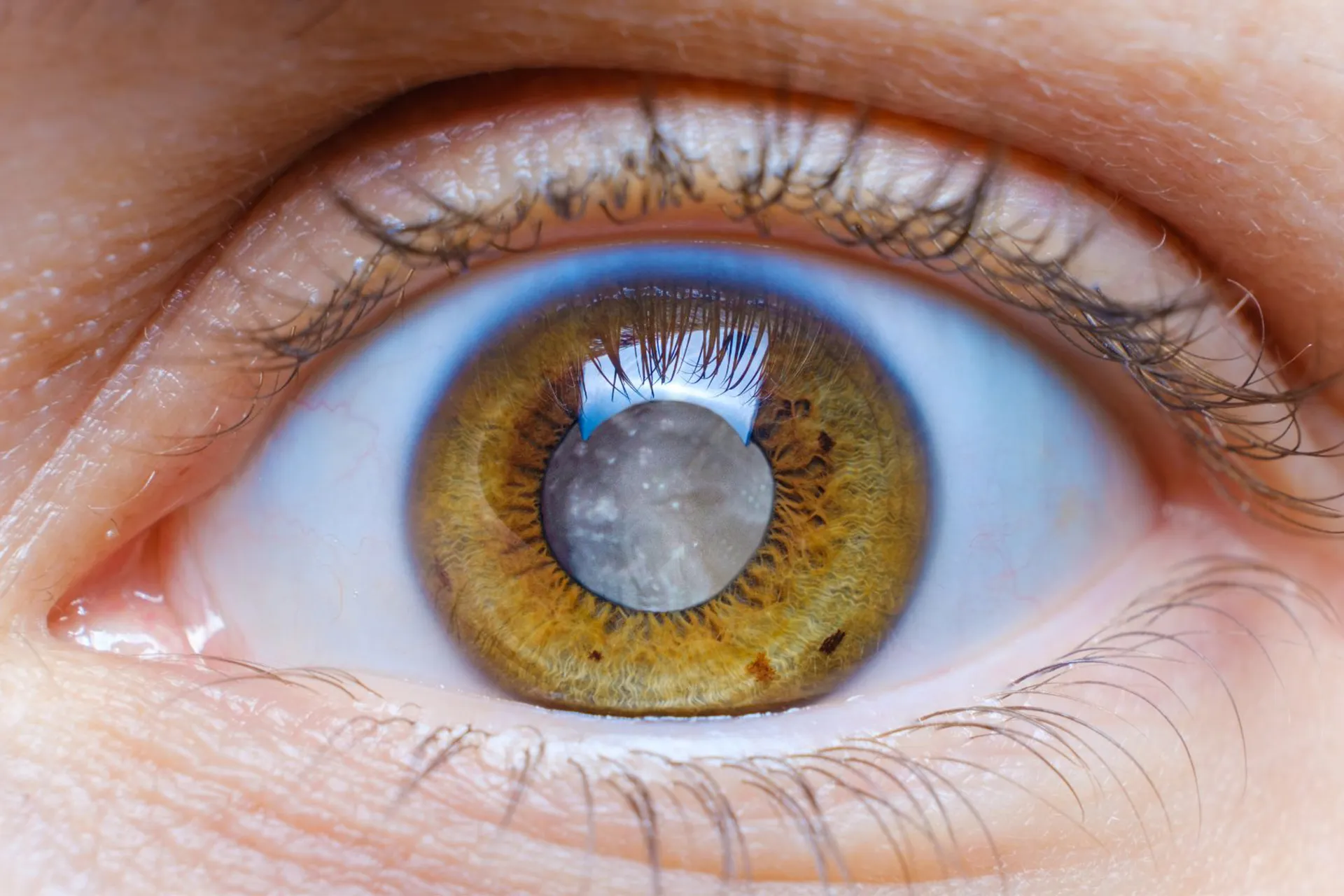
Cataract, a leading cause of visual impairment globally, is correlated in Ayurveda with ocular disorders described under Timira, Kacha, and Linganāśa. Among these, Timira represents early-stage visual disturbance with blurring of vision, while Linganāśa corresponds to advanced-stage visual loss. Classical Ayurvedic ophthalmology, classified under Śālākya Tantra, provides detailed descriptions of ocular pathology, differential diagnosis, and therapeutic interventions including Lekhana, Āñjana, Āścyotana, Lepa, and Seka.
Conceptual foundation of Śālākya Tantra and ocular pathology
Śālākya Tantra represents a specialized branch of Ayurveda dealing with diseases of the eye, ear, nose, oral cavity, and head. Classical contributions attribute foundational knowledge to early Ayurvedic scholars, with detailed descriptions of ocular disorders and surgical principles preserved in traditional texts.
Within this framework:
- Timira represents early visual impairment with progressive blurring
- Kacha denotes intermediate pathology with increasing visual dysfunction
- Linganāśa represents end-stage vision loss
Management principles emphasize early intervention to prevent progression from reversible to irreversible visual impairment.
Classical surgical and therapeutic perspectives in cataract
Ancient Ayurvedic literature provides structured descriptions of ocular surgical approaches, including techniques related to lens pathology management. These descriptions include procedural stages, indications, contraindications, perioperative care, and management of complications.
The therapeutic approach emphasizes:
- Ocular cleansing and preparatory procedures
- Surgical and para-surgical interventions in select conditions
- Post-procedural care using ocular supportive therapies
- Management of complications through classical formulations
The understanding of cataract-related conditions extends beyond simple lens opacity and includes differential diagnostic frameworks distinguishing Timira, Kacha, and Linganāśa.
Clinical application of internal and external therapies
Management of immature cataract within Ayurvedic practice includes systemic and local therapeutic approaches aimed at visual preservation and disease progression control.
Key therapeutic components include:
- Internal administration of herbal formulations such as Triphalādi Ghana Vati
- Local ocular application of preparations such as Elaneer Kuzhambu Anjana
- Supportive Chakṣuṣya Rasāyana interventions for ocular nourishment
These approaches are applied in early-stage disease to support visual function and delay progression.
Therapeutic outcomes in senile immature cataract
Combined internal and external therapeutic strategies demonstrate greater functional improvement compared to internal therapy alone. Observations across clinical parameters include:
- Reduction in visual blurring and glare sensitivity
- Improvement in distant and corrected visual acuity
- Enhanced night vision and visual clarity in combined therapy
- Slower progression of nuclear lens changes
Conclusion
Ayurvedic ophthalmology presents a structured conceptual and therapeutic framework for Timira and Linganāśa, correlating with stages of cataract development. Classical interventions combining internal Rasāyana support and external ocular therapies demonstrate functional benefits in senile immature cataract, with combined approaches offering enhanced visual stabilization and disease progression control.1,2
References:
- Dhiman KS, Dhiman K, Puri S, Ahuja D. A comprehensive review of Cataract (Kaphaja Linganasha) and its Surgical Treatment in Ayurvedic Literature. Ayu. 2010;31(1):93-100. doi:10.4103/0974-8520.68197. https://pmc.ncbi.nlm.nih.gov/articles/PMC3215330/
- Bhati H, Manjusha R. Clinical study on evaluation of anti-cataract effect of Triphaladi Ghana Vati and Elaneer Kuzhambu Anjana in Timira (immature cataract). Ayu. 2015;36(3):283-289. doi:10.4103/0974-8520.182762. https://pmc.ncbi.nlm.nih.gov/articles/PMC4895755/