
Introduction
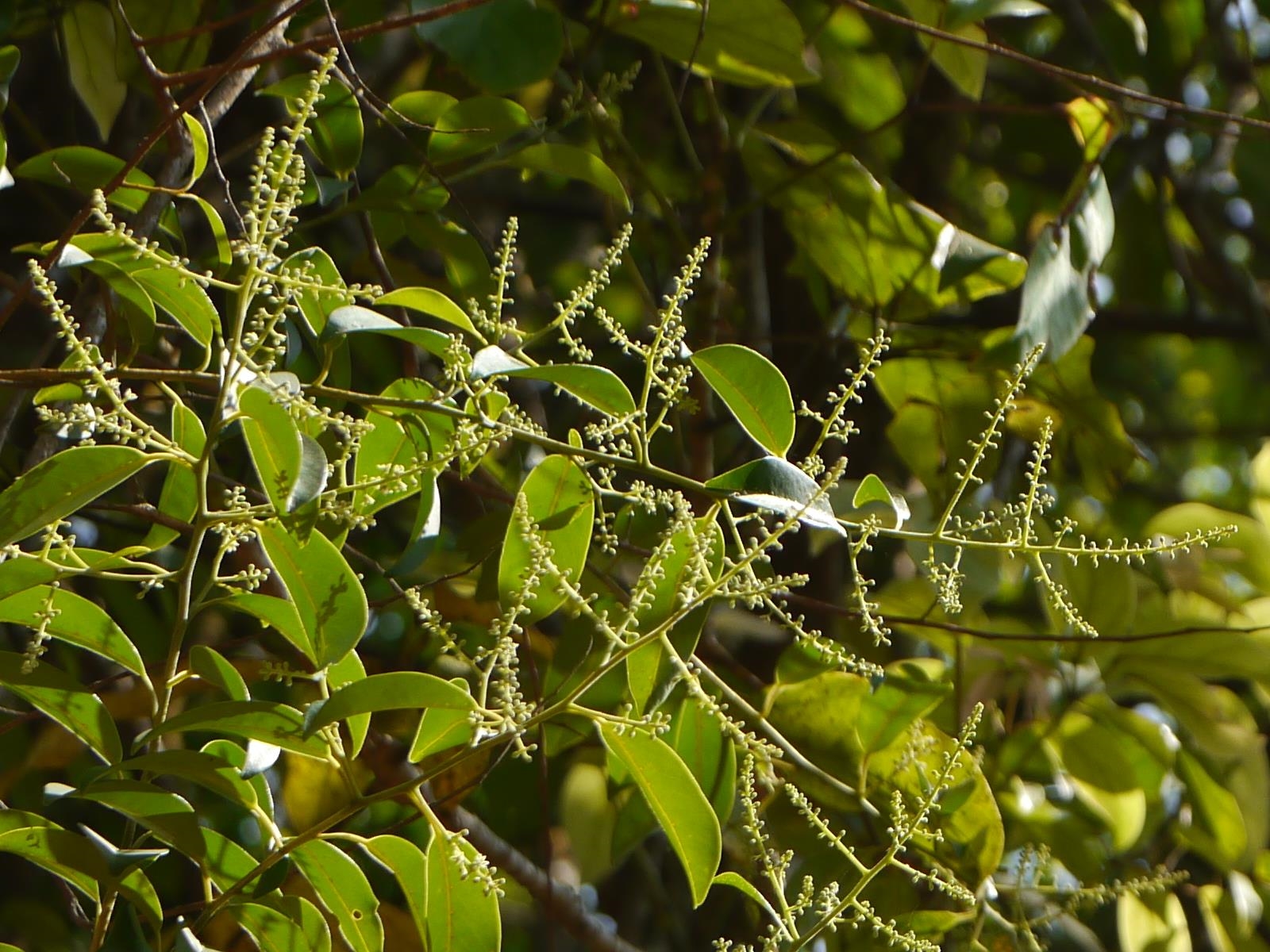
Vidanga (Embelia ribes Burm. f.) is a classical Ayurvedic medicinal plant traditionally valued for its Krimighna and Deepana–Pachana properties. Within contemporary Ayurvedic clinical perspectives, its relevance extends to chronic inflammatory disorders such as rheumatoid arthritis, correlated with Amavata. Its therapeutic significance is associated with anti-inflammatory, antioxidant, and immunomodulatory activities that support systemic disease management.
Pathophysiological relevance in rheumatoid arthritis
Rheumatoid arthritis is a chronic autoimmune inflammatory condition characterized by persistent synovial inflammation, joint destruction, and systemic immune dysregulation. In Ayurvedic correlation, Amavata is associated with Aama accumulation and Vata-Kapha vitiation, leading to joint pain, swelling, stiffness, and progressive functional impairment. These overlapping mechanisms highlight the need for agents capable of addressing inflammation, oxidative stress, and immune imbalance.
Therapeutic relevance of Vidanga in Amavata
In Ayurvedic therapeutic frameworks, Vidanga is traditionally recognized for its metabolic regulatory and detoxifying properties, which align with the pathological features of Amavata. Its application is conceptually linked with reducing Aama burden and supporting systemic metabolic correction.
Key therapeutic roles include:
- Metabolic activation: Supports digestive and systemic metabolic processes related to Aama reduction
- Anti-inflammatory support: Contributes to modulation of inflammatory responses in joint pathology
- Detoxification support: Associated with clearance of pathological factors contributing to disease progression 1
Clinical application in rheumatoid arthritis
Clinical relevance of Vidanga is associated with its use as a supportive herbal agent in formulations targeting chronic inflammatory and metabolic dysfunction. Its application is considered within multi-herbal Ayurvedic preparations aimed at systemic regulation in Amavata.
Core application aspects include:
- Inclusion in polyherbal formulations for chronic inflammatory conditions
- Supportive role in Amavata management protocols targeting metabolic imbalance
- Use in systemic cleansing and digestive correction strategies within Ayurvedic practice
Pharmacological and mechanistic basis
Pharmacological evaluations of Embelia ribes indicate anti-inflammatory, antioxidant, and immunomodulatory properties. These actions are associated with regulation of inflammatory mediators, reduction of oxidative stress, and modulation of immune responses. Such multi-target activity supports its relevance in chronic inflammatory and autoimmune disease frameworks such as rheumatoid arthritis.
Conclusion
Vidanga (Embelia ribes) demonstrates significant therapeutic relevance in rheumatoid arthritis through its combined Ayurvedic metabolic regulatory actions and pharmacological anti-inflammatory and immunomodulatory properties. Its role in Amavata management highlights its contribution to addressing inflammatory burden, oxidative stress, and systemic imbalance in chronic joint disorders. 2
References:
- Sharma V, Gautam DNS, Radu AF, Behl T, Bungau SG, Vesa CM. Reviewing the Traditional/Modern Uses, Phytochemistry, Essential Oils/Extracts and Pharmacology of Embelia ribes Burm. Antioxidants (Basel). 2022;11(7):1359. Published 2022 Jul 13. doi:10.3390/antiox11071359. https://pmc.ncbi.nlm.nih.gov/articles/PMC9311956/
- Radu AF, Negru PA, Radu A, et al. Simulation-Based Research on Phytoconstituents of Embelia ribes Targeting Proteins with Pathophysiological Implications in Rheumatoid Arthritis. Life (Basel). 2023;13(7):1467. Published 2023 Jun 28. doi:10.3390/life13071467. https://pmc.ncbi.nlm.nih.gov/articles/PMC10381729/