
Introduction
Snehan (oleation therapy) and Swedan (sudation or fomentation therapy) are fundamental preparatory procedures in Ayurveda, collectively forming a crucial component of Purvakarma before Panchakarma detoxification therapies. In contemporary Ayurvedic practice, these therapies are widely used not only as preparatory measures but also as standalone interventions for musculoskeletal, neurological, and metabolic disorders. Their therapeutic significance lies in their ability to mobilize toxins (Ama), pacify aggravated Doshas, improve circulation, and enhance tissue flexibility.
Ayurvedic concept of Snehan
Snehan refers to the application or internal administration of unctuous substances, primarily medicated oils and ghee. It is classified into two types: Abhyantara Snehan (internal oleation) and Bahya Snehan (external oleation).
The primary action of Snehan is to induce softness (Mriduata), loosen accumulated toxins, and pacify Vata dosha, which is responsible for dryness, pain, and degenerative changes. It nourishes tissues (Dhatus), enhances lubrication of joints, and improves flexibility of muscles and connective tissues.
In modern terms, Snehan may be associated with improved microcirculation, enhanced lipid-mediated absorption, neuromuscular relaxation, and modulation of inflammatory pathways.
Ayurvedic concept of Swedan
Swedan refers to therapeutic sweating or sudation therapy, which is used after Snehan to liquefy and mobilize toxins and facilitate their elimination through sweat and other excretory pathways. It is broadly classified into Sagni Sweda (with heat) and Niragni Sweda (without external heat).
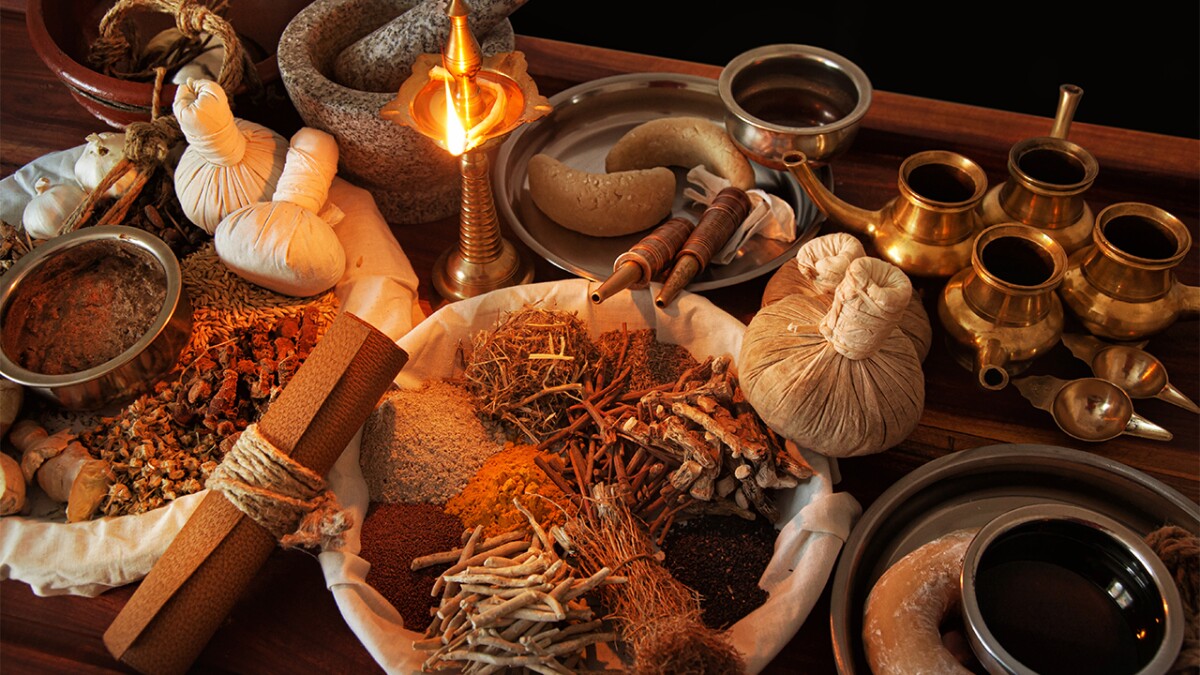
Common methods include steam therapy (Nadi Sweda), bolus fomentation (Pinda Sweda), and localized heat applications. Swedan is primarily indicated for conditions involving stiffness, heaviness, pain, and obstruction of channels (Srotas).
From a physiological perspective, Swedan improves peripheral circulation, promotes vasodilation, enhances metabolic activity, and reduces muscle spasm. It also supports lymphatic drainage and detoxification processes.
Combined therapeutic action of Snehan and Swedan
The sequential use of Snehan followed by Swedan is considered highly effective in Ayurveda. Snehan prepares the body by loosening toxins and lubricating tissues, while Swedan facilitates their mobilization and excretion.
This combination is particularly useful in disorders where Vata and Kapha are predominant, such as arthritis, spondylosis, obesity, neurological disorders, and certain metabolic conditions.
Clinical applications in contemporary practice
In modern Ayurvedic clinical settings, Snehan and Swedan are widely used in:
- Musculoskeletal disorders (osteoarthritis, low back pain, cervical spondylosis)
- Neurological conditions (neuropathies, paralysis, Parkinson-like symptoms)
- Metabolic disorders (obesity, metabolic syndrome)
- Stress-related disorders (insomnia, anxiety)
These therapies are often used as preparatory steps before Panchakarma procedures such as Virechana, Basti, and Vamana, but are increasingly being used as standalone supportive treatments.
Mechanisms of action: Integrative perspective
Modern research suggests that Snehan may enhance transdermal absorption of lipid-soluble compounds, improve tissue oxygenation, and reduce inflammatory mediators. It may also modulate the autonomic nervous system, promoting relaxation and pain relief.
Swedan, on the other hand, induces controlled hyperthermia, which can increase blood flow, reduce muscle stiffness, and enhance metabolic waste removal. It may also influence heat shock proteins and inflammatory cytokines, contributing to tissue repair and recovery.
Advantages in contemporary practice
The combined use of Snehan and Swedan offers several clinical advantages, including non-invasive detoxification, improved patient compliance, reduction in pain and stiffness, and enhanced effectiveness of subsequent therapies. Their adaptability allows customization based on individual Prakriti and disease state.
Safety and considerations
While generally safe, caution is required in patients with acute infections, severe fever, cardiovascular instability, or heat intolerance. Proper assessment of Dosha predominance and clinical condition is essential before administration.
Conclusion
Snehan and Swedan remain foundational therapies in Ayurveda with significant relevance in contemporary clinical practice. By addressing tissue rigidity, toxin accumulation, and doshic imbalance, they provide a holistic approach to disease management and preparation for deeper detoxification therapies. Their integration into modern healthcare settings highlights their enduring therapeutic value and adaptability in managing a wide spectrum of chronic and lifestyle-related disorders.1
References:
- Narvekar N, Sanapeti R, Swapnali M, Pawar T, Gengane S. Snehana and Swedana in contemporary clinical context: a critical review of biomedical mechanism and safety considerations. Int J Drug Deliv Technol. 2026;16(17s):732-742. doi:10.25258/ijddt.16.17s.86 https://impactfactor.org/PDF/IJDDT/16/IJDDT,Vol16,Issue17s,Article86.pdf