
Introduction
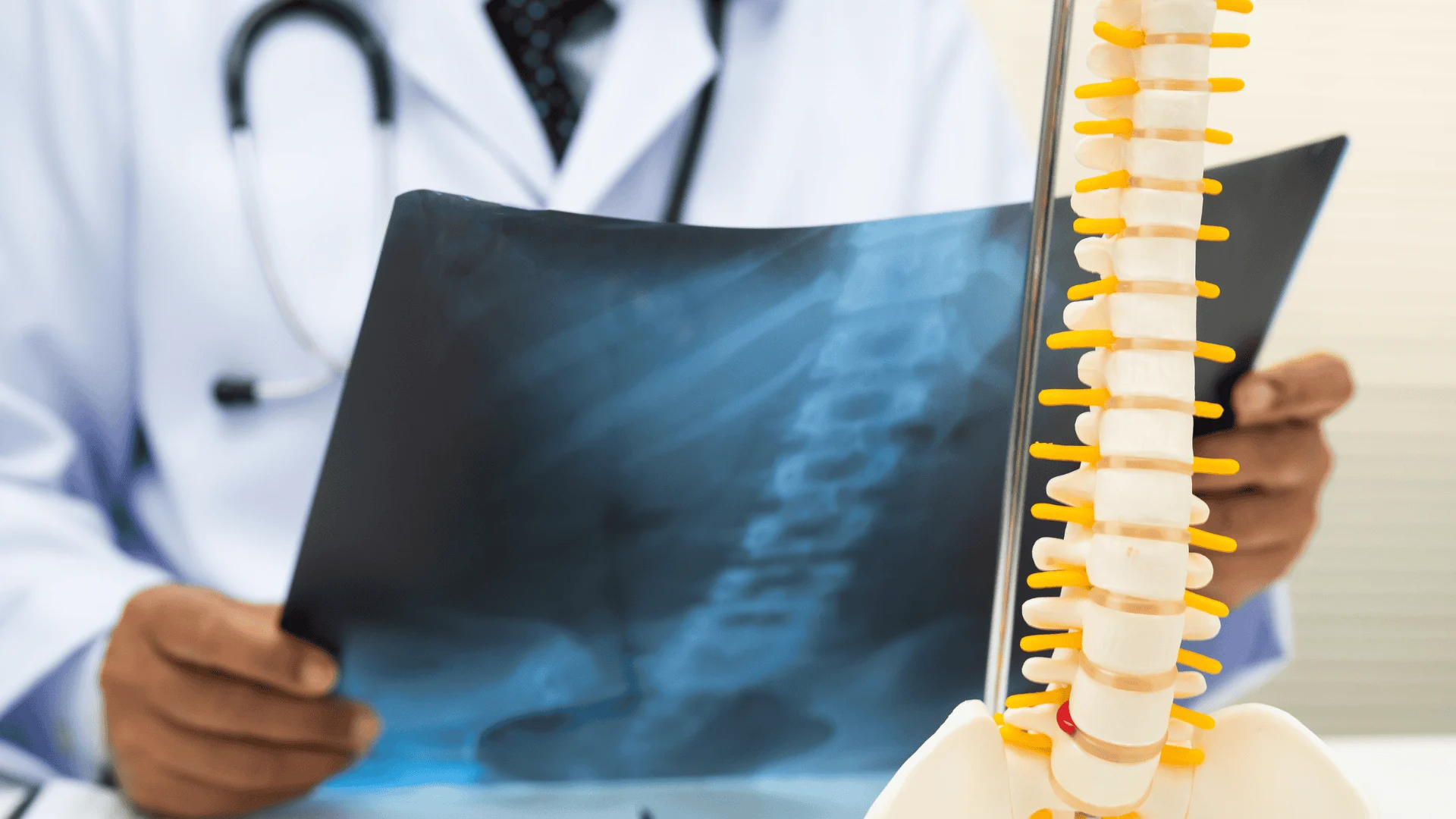
Cervical spondylosis is an age-related degenerative condition of the cervical spine characterized by structural deterioration of vertebral components, often leading to abnormal fusion, reduced mobility, and vertebral immobilization. It is clinically categorized as a Vata Vyadhi and considered a Mahagada, reflecting its chronic nature, prolonged treatment course, and uncertain prognosis.
Pathophysiology and clinical spectrum
Cervical spondylosis corresponds to degenerative osteoarthritis involving the intervertebral joints and neural foramina of the cervical region. It predominantly affects individuals above 40 years of age and is marked by:
- Degeneration of apophyseal joints
- Intervertebral disc deterioration
- Osteophyte formation
- Presence or absence of neurological signs
Within Ayurvedic understanding, this condition is classified under Sandhigata Vata, where pathological Vata dosha localizes in joint structures (sandhi).
Ayurvedic correlation: Sandhigata Vata
Sandhigata Vata is a Vata-dominant disorder arising due to lifestyle and postural factors such as improper sitting, sleeping, standing, and sustained abnormal cervical positioning.
Core clinical features
- Sandhi shoola (joint pain)
- Sandhi shotha (joint swelling)
- Restricted movement with pain during flexion and extension
- Progressive impairment leading to hanti sandhigatah in advanced stages
The term gata indicates localization of aggravated Vata dosha within specific joint structures. Vata is described as a biological force governing movement, stimulation, and regulatory functions across physiological systems.
According to classical anatomical descriptions by Acharya Sushruta, joints are categorized into different types such as peshi sandhi, snayu sandhi, and shira sandhi; however, cervical spondylosis in this context primarily involves asthi sandhi structures.
Therapeutic relevance of Agnikarma
Agnikarma (also referred to as Dahan karma) is a para-surgical therapeutic procedure utilized in Ayurveda for pain management and localized musculoskeletal disorders. It is indicated in conditions such as joint pain, cervical pain, lower backache, muscular pain, headaches, and selected convulsive disorders.
Clinical applications in cervical spondylosis
Agnikarma is applied in cervical spondylosis for symptomatic relief and functional improvement. Its therapeutic utility is described as follows:
- Reduction in cervical pain intensity
- Improvement in joint mobility
- Support in chronic musculoskeletal pain conditions
- Symptom alleviation in Sandhigata Vata manifestations
Mechanism-oriented therapeutic perspective
Agnikarma is recognized as a para-surgical intervention with multiple functional attributes:
- Analgesic action contributing to pain reduction
- Antiseptic effect supporting local tissue environment
- Hemostatic property aiding procedural safety
- Thermal stimulation promoting functional revitalization
In traditional references, Agni is regarded as a life-sustaining principle. The therapeutic application of Agnikarma is conceptually associated with revitalization of affected tissues through controlled thermal intervention.
Repeated application is emphasized in clinical contexts of cervical spondylosis to enhance symptom relief and improve functional outcomes.
Conclusion
Cervical spondylosis represents a degenerative cervical spine disorder closely aligned with Sandhigata Vata in Ayurveda. Its pathogenesis involves progressive joint degeneration and Vata localization within cervical structures. Agnikarma, as a para-surgical modality, offers a structured therapeutic approach for pain relief and functional improvement, making it a relevant intervention in the management of Sandhigata Vata-related cervical disorders.1
References:
- Beena B, Sharma KK, Nitesh AK, Swati R, Himani G. Management of cervical spondylosis with agnikarma therapy: case study article. Journal of Natural & Ayurvedic Medicine. 2023;7(1). doi:10.23880/jonam-16000371. https://medwinpublishers.com/JONAM/management-of-cervical-spondylosis-with-agnikarma-therapy-case-study-article.pdf