
Introduction
Ayurveda considers Rakta Dhatu essential for sustaining life, nourishing tissues, and maintaining physiological functions. Vitiation of blood by aggravated Pitta Dosha and associated pathological factors results in Raktadushti, manifesting as skin diseases, chronic inflammation, non-healing ulcers, pigmentation disorders, abscesses, and vascular abnormalities.
Raktamokshana, described by Sushruta, is a specialized purification therapy aimed at removing vitiated blood and reducing local inflammatory burden. However, sustained therapeutic benefits often require complementary herbal interventions. Among these, Manjistha occupies a prominent position due to its ability to purify blood, modulate inflammation, and promote tissue healing.1
Ayurvedic perspective
Manjistha is characterized by:
- Tikta, Kashaya, and Madhura Rasa (bitter, astringent, and sweet tastes)
- Guru and Ruksha Guna (heavy and dry qualities)
- Ushna Virya (hot potency)
- Katu Vipaka (pungent post-digestive effect)
Classical Ayurvedic texts describe Manjistha as:
- Raktashodhaka (blood purifier)
- Raktaprasadaka (improves blood quality)
- Varnya (enhances complexion)
- Vranaropana (wound healer)
- Shothahara (anti-inflammatory)
These properties make it particularly useful in conditions involving chronic inflammation and blood vitiation.
Pharmacological basis
Anti-inflammatory activity:
Manjistha contains anthraquinones such as purpurin, munjistin, rubiadin, and alizarin that exhibit significant anti-inflammatory effects. Studies have shown suppression of inflammatory mediators including TNF-α, IL-1β, and prostaglandins, thereby reducing tissue inflammation and edema.2
Antioxidant effects:
Oxidative stress contributes significantly to chronic inflammatory and dermatological disorders. The phenolic compounds and flavonoids present in Manjistha neutralize reactive oxygen species, protecting tissues from oxidative damage and supporting healing.
Immunomodulatory activity
Experimental studies suggest that Rubia cordifolia modulates immune responses by regulating cytokine production and inflammatory pathways. This effect is particularly relevant in autoimmune and chronic inflammatory disorders associated with Raktadushti.
Wound-healing and antimicrobial effects
Manjistha promotes fibroblast proliferation, collagen synthesis, and angiogenesis, facilitating tissue repair. Additionally, its antimicrobial properties help prevent secondary infections in chronic wounds and ulcerative conditions.
Complementary role with raktamokshana
Raktamokshana effectively removes vitiated blood and reduces local inflammatory pathology. Following purification, Manjistha supports restoration of healthy blood composition and prevents recurrence of disease. Its anti-inflammatory and antioxidant activities complement the detoxifying effects of bloodletting, while its wound-healing properties aid tissue recovery.
From an Ayurvedic perspective, the combination of Raktamokshana and Manjistha addresses both elimination of pathological factors and long-term maintenance of Rakta Dhatu health. This integrative approach is particularly beneficial in chronic and recurrent disorders.
Clinical applications
The combined use of Raktamokshana and Manjistha is commonly employed in:
- Psoriasis (Kitibha Kushtha)
- Eczema (Vicharchika)
- Acne vulgaris (Yuvanapidika)
- Chronic non-healing ulcers
- Varicose ulcers
- Hyperpigmentation disorders
- Inflammatory skin diseases
- Gout and inflammatory arthropathies
Clinical studies have reported improvements in inflammatory markers, skin lesions, wound healing, and symptom severity with Manjistha-based interventions.
Conclusion
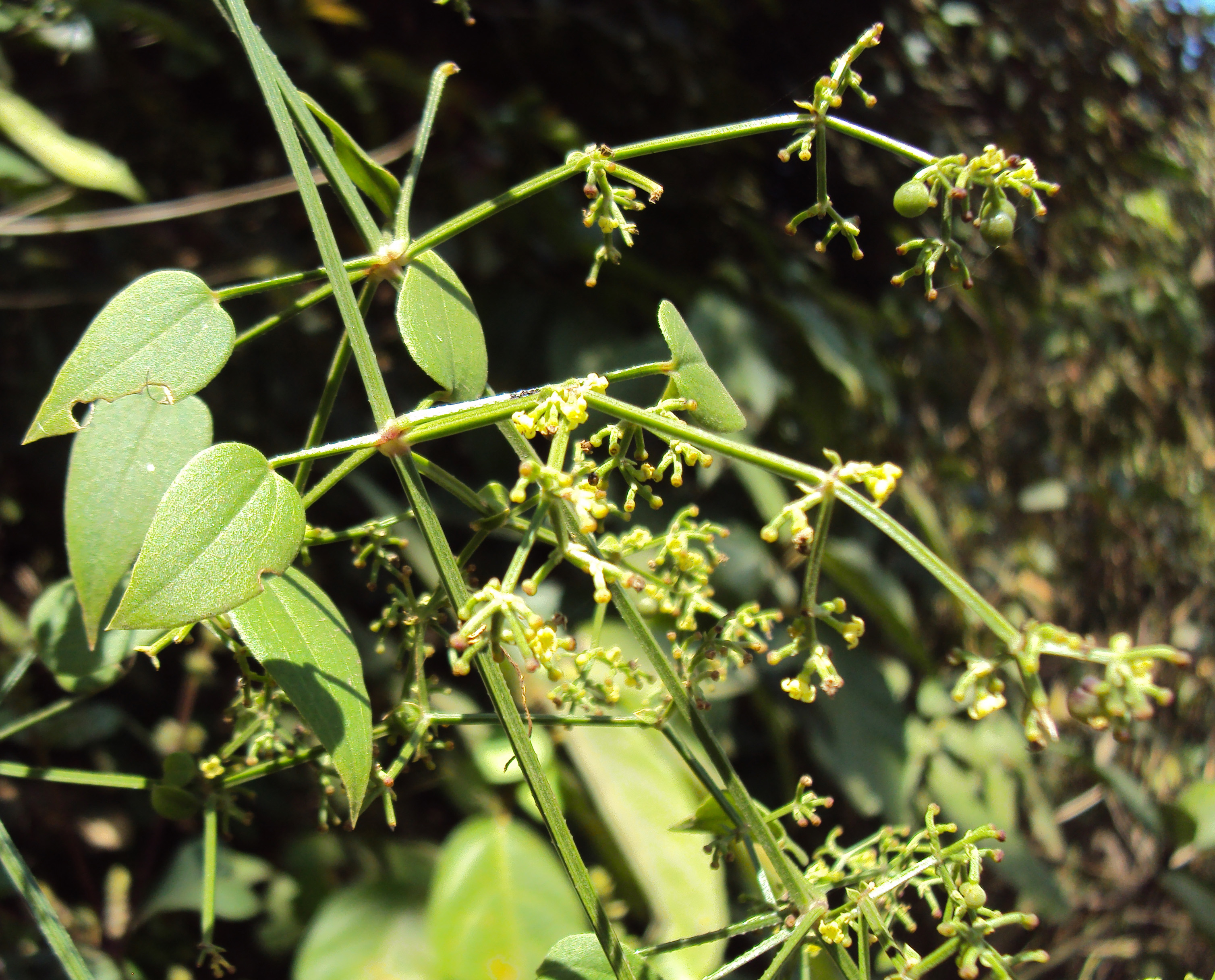
Manjistha (Rubia cordifolia) is a highly valued Ayurvedic herb with significant blood-purifying, anti-inflammatory, antioxidant, and wound-healing properties. As a complementary therapy to Raktamokshana, it supports the restoration of healthy Rakta Dhatu, enhances tissue repair, and helps prevent recurrence of Raktadushti disorders. Contemporary pharmacological evidence substantiates its traditional applications, highlighting its potential role in integrative management of inflammatory and dermatological diseases.
Reference:
- Kumar S, Kumari D, Singh B. Genus Rauvolfia: A review of its ethnopharmacology, phytochemistry, quality control/quality assurance, pharmacological activities and clinical evidence. J Ethnopharmacol. 2022 Sep 15;295:115327. doi: 10.1016/j.jep.2022.115327. Epub 2022 Apr 30. PMID: 35504505. https://pubmed.ncbi.nlm.nih.gov/35504505/
- Wen M, Chen Q, Chen W, et al. A comprehensive review of Rubia cordifolia L.: Traditional uses, phytochemistry, pharmacological activities, and clinical applications. Front Pharmacol. 2022;13:965390. Published 2022 Sep 9. doi:10.3389/fphar.2022.965390 https://pmc.ncbi.nlm.nih.gov/articles/PMC9500525/