
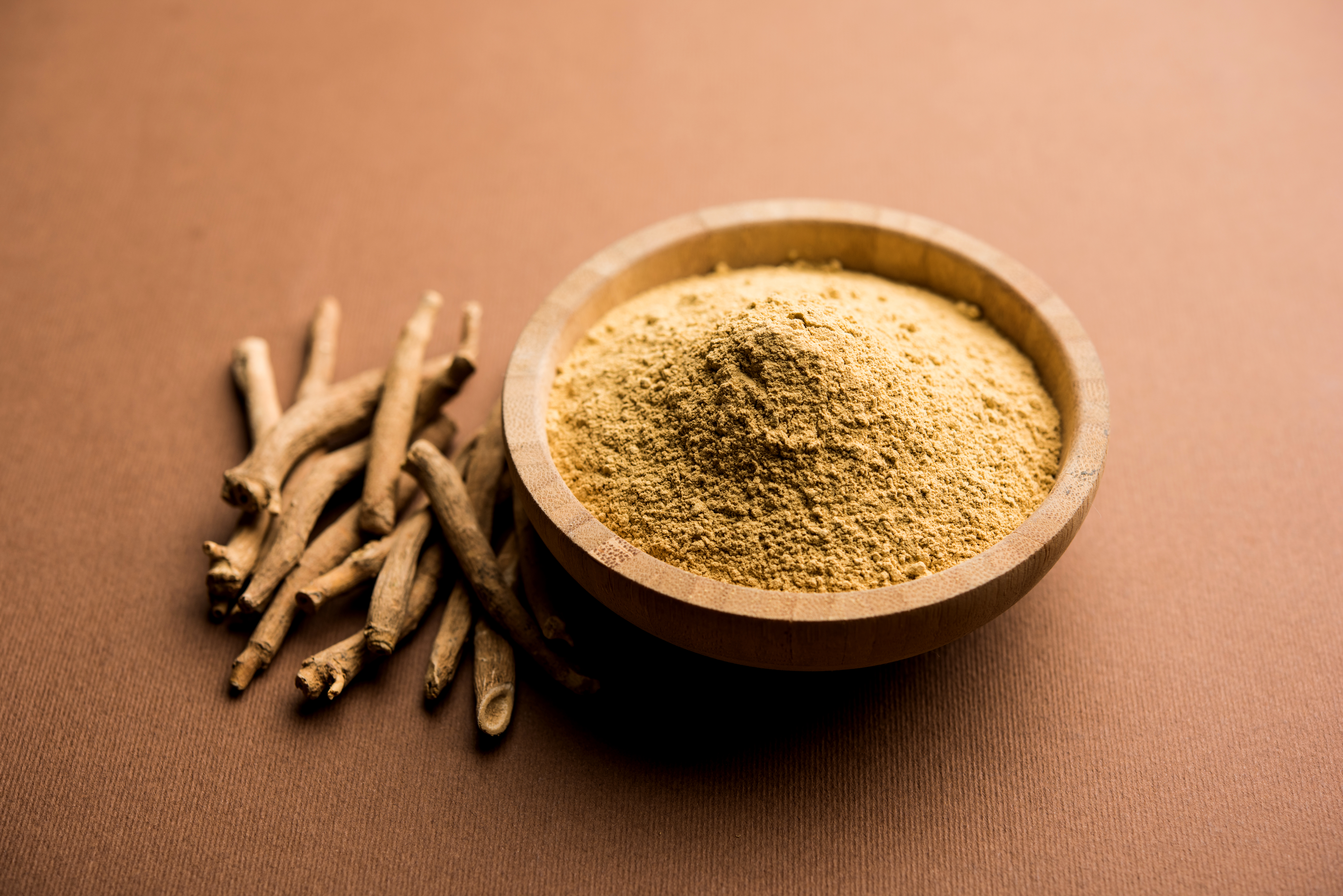
Chronic musculoskeletal pain is a common condition involving persistent discomfort in muscles, bones, joints, tendons and connective tissues. Conditions such as osteoarthritis, chronic low back pain and other musculoskeletal disorders can impair mobility, physical function and quality of life. Ashwagandha (Withania somnifera), an important medicinal plant in Ayurveda, has gained attention for its potential anti-inflammatory, antioxidant and adaptogenic properties. Its possible role in musculoskeletal pain management is being explored through experimental and preliminary clinical research.
Phytochemical basis of pain modulation
Ashwagandha belongs to the Solanaceae family and its roots are commonly used in Ayurvedic preparations.1 Its pharmacological properties are attributed to several bioactive constituents, particularly withanolides, withaferin A, withanolide A, sitoindosides and alkaloids.
These constituents may contribute to pain modulation through multiple biological pathways:
- Anti-inflammatory activity: Withanolides have demonstrated the potential to modulate inflammatory pathways, including nuclear factor-kappa B (NF-κB), and influence the production of pro-inflammatory cytokines such as TNF-α, IL-1β and IL-6
- Antioxidant effects: Ashwagandha may help counter oxidative stress by influencing antioxidant defence mechanisms and reducing oxidative damage associated with chronic inflammation
- Cartilage protection: Experimental investigations suggest that certain withanolides may influence inflammatory processes involved in cartilage degradation. However, their clinical chondroprotective effects remain unestablished
- Stress modulation: Through its potential effects on stress-response pathways, Ashwagandha may indirectly support pain coping, sleep and overall wellbeing, which are relevant in chronic pain conditions
Clinical evidence in musculoskeletal pain
Clinical evidence investigating Ashwagandha specifically for musculoskeletal pain remains limited but provides preliminary insights.
A randomized, double-blind, placebo-controlled study published in 2016 evaluated a standardized aqueous extract of Ashwagandha root and leaves in 60 individuals experiencing knee joint pain and discomfort. Participants received different extract strengths or placebo over 12 weeks. The study reported improvements in modified Western Ontario and McMaster Universities Osteoarthritis Index (WOMAC) scores, knee swelling index and visual analogue scale (VAS) measurements in the Ashwagandha groups compared with placebo.2 The higher-strength study group demonstrated earlier improvements.
A 2025 network meta-analysis evaluating botanical extracts for knee osteoarthritis also reported a potential benefit of Ashwagandha in reducing joint stiffness. However, the findings require cautious interpretation because the available studies are limited in number and sample size.3
Importantly, evidence from knee joint pain cannot automatically be extrapolated to other chronic musculoskeletal conditions, including chronic back pain, fibromyalgia or inflammatory arthritis.
Conclusion
Ashwagandha demonstrates potential anti-inflammatory and antioxidant properties that may contribute to musculoskeletal pain modulation. Preliminary clinical findings, particularly in knee joint pain, are encouraging. Nevertheless, larger, well-designed clinical trials are needed to establish its effectiveness, optimal formulation, safety and long-term role in chronic musculoskeletal pain management.
Reference
- Bonilla DA, Moreno Y, Gho C, Petro JL, Odriozola-Martínez A, Kreider RB. Effects of Ashwagandha (Withania somnifera) on Physical Performance: Systematic Review and Bayesian Meta-Analysis. J Funct Morphol Kinesiol. 2021;6(1):20. Published 2021 Feb 11. doi:10.3390/jfmk6010020 https://pmc.ncbi.nlm.nih.gov/articles/PMC8006238/
- Ramakanth GS, Uday Kumar C, Kishan PV, Usharani P. A randomized, double blind placebo controlled study of efficacy and tolerability of Withaina somnifera extracts in knee joint pain. J Ayurveda Integr Med. 2016;7(3):151-157. doi:10.1016/j.jaim.2016.05.003 https://pmc.ncbi.nlm.nih.gov/articles/PMC5052364/
- Yan C, Du X, Liu Y, et al. Efficacy of botanical extracts for knee osteoarthritis: a network meta-analysis of randomized controlled trials. Front Pharmacol. 2025;16:1619589. Published 2025 Oct 7. doi:10.3389/fphar.2025.1619589 https://pmc.ncbi.nlm.nih.gov/articles/PMC12537895/