
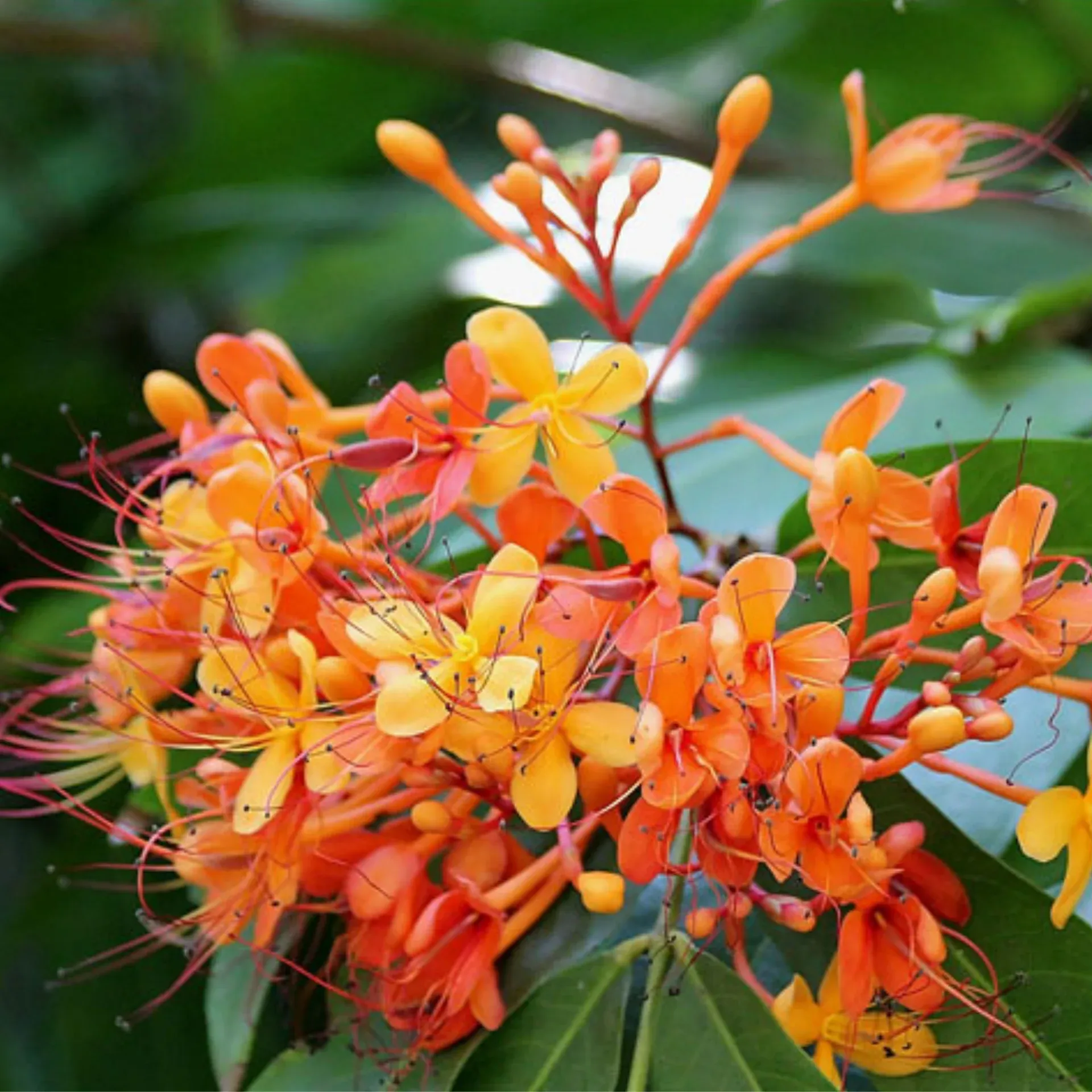
Introduction
Menstrual disorders and abnormal uterine bleeding (AUB) are among the most common gynecological conditions affecting women of reproductive age, often presenting as excessive menstrual bleeding, irregular cycles, dysmenorrhea, and hormonal disturbances that can significantly impair quality of life and reproductive health. Normal menstruation is considered a key indicator of female reproductive well-being; however, AUB may result from hormonal imbalance, endometrial dysfunction, uterine fibroids, adenomyosis, or ovulatory disorders, frequently leading to anemia, fatigue, reduced productivity, and psychological distress. Ayurveda describes these conditions under disorders of Artava and Yoni Vyapad, commonly associated with vitiation of Pitta and Vata Dosha, and emphasizes restoration of reproductive health through dietary regulation, lifestyle modification, and herbal therapies. Among the herbs traditionally used for women's health, Ashoka (Saraca asoca) occupies a prominent position and is regarded as a uterine tonic (Garbhashaya Balya) because of its specific affinity for the female reproductive system. Classical Ayurvedic formulations such as Ashokarishta have long been employed in the management of menorrhagia, dysmenorrhea, leucorrhea, and abnormal uterine bleeding. Modern pharmacological investigations attribute these therapeutic effects to bioactive constituents including flavonoids, tannins, glycosides, and phytoestrogenic compounds, which exhibit anti-inflammatory, antioxidant, uterotonic, hemostatic, and endometrial-stabilizing properties. These findings support the traditional use of Ashoka as an important herbal intervention for maintaining menstrual health and managing abnormal uterine bleeding.1
Ayurvedic perspective
Ashoka is characterized by:
- Kashaya and Tikta Rasa (astringent and bitter taste)
- Laghu and Ruksha Guna (light and dry qualities)
- Sheeta Virya (cool potency)
- Katu Vipaka
- Pittahara action
- Raktastambhaka (controls excessive bleeding)
- Yonidoshahara (beneficial in gynecological disorders)
- Garbhashaya Balya (uterine tonic)
These properties make it particularly useful in excessive menstrual bleeding and inflammatory gynecological conditions.
Phytochemical constituents
The major bioactive compounds include:
- Catechin
- Epicatechin
- Quercetin
- Kaempferol
- Tannins
- Flavonoids
- Glycosides
- Sterols
These constituents contribute to the herb's antioxidant, anti-inflammatory, and uterine-supportive activities.
Mechanisms in menstrual disorders and AUB
Regulation of excessive uterine bleeding:
Ashoka is traditionally valued for its Raktastambhaka action. Its tannin-rich bark exerts an astringent effect that may help reduce excessive uterine bleeding and support endometrial stability.
Uterine tonic activity:
Experimental studies suggest that Ashoka supports uterine muscle tone and normal uterine function, helping maintain reproductive health and menstrual regularity.2
Anti-inflammatory effects:
Inflammation contributes to dysmenorrhea and abnormal uterine bleeding. Flavonoids and polyphenols present in Ashoka suppress inflammatory mediators, thereby reducing pelvic discomfort and menstrual pain.
Antioxidant protection:
Oxidative stress is increasingly recognized as a contributor to gynecological disorders. Ashoka's antioxidant compounds protect reproductive tissues from oxidative damage and support healthy endometrial function.
Hormonal modulation:
Emerging evidence suggests that phytoestrogenic constituents may contribute to hormonal balance, supporting regular menstrual cycles and reproductive health.
Clinical applications
Menorrhagia (Heavy menstrual bleeding):
Ashoka is widely prescribed in Ayurveda for excessive menstrual bleeding and is a principal ingredient in Ashokarishta.
Abnormal uterine bleeding (AUB):
Its uterine-supportive and hemostatic properties make it useful as an adjunctive therapy in dysfunctional uterine bleeding and other forms of AUB.
Dysmenorrhea:
The anti-inflammatory and uterine-modulating effects of Ashoka may help alleviate menstrual pain and associated discomfort.
Irregular menstruation:
Ashoka is traditionally used to support menstrual regularity and maintain healthy reproductive function.
Common ayurvedic formulations
- Ashokarishta
- Ashoka Ghana Vati
- Ashoka Churna
- Polyherbal gynecological formulations
- Rasayana preparations for women's health
Conclusion
Ashoka (Saraca asoca) remains one of the most important Ayurvedic herbs for women's reproductive health, particularly in the management of menstrual disorders and abnormal uterine bleeding. Its traditional use as a uterine tonic is supported by modern evidence demonstrating anti-inflammatory, antioxidant, hemostatic, and endometrial-supportive activities. Clinical applications include menorrhagia, dysmenorrhea, irregular menstruation, and dysfunctional uterine bleeding. Continued research and well-designed clinical trials are needed to further establish its role in evidence-based gynecological practice.
Reference:
- Sasmal S, Majumdar S, Gupta M, Mukherjee A, Mukherjee PK. Pharmacognostical, phytochemical and pharmacological evaluation for the antipyretic effect of the seeds of Saraca asoca Roxb. Asian Pac J Trop Biomed. 2012;2(10):782-786. doi:10.1016/S2221-1691(12)60229-9 https://pmc.ncbi.nlm.nih.gov/articles/PMC3609231/
- Bu N, Jamil A, Hussain L, et al. Phytochemical-Based Study of Ethanolic Extract of Saraca asoca in Letrozole-Induced Polycystic Ovarian Syndrome in Female Adult Rats. ACS Omega. 2023;8(45):42586-42597. Published 2023 Nov 1. doi:10.1021/acsomega.3c05274 https://pmc.ncbi.nlm.nih.gov/articles/PMC10652831/