
Introduction
Fistula-in-ano (Bhagandara) is a chronic anorectal disorder characterized by an abnormal tract between the anal canal and the perianal skin.1 It commonly develops following anorectal abscesses and is associated with pain, purulent discharge, recurrent infections, and significant morbidity. Conventional surgical procedures such as fistulotomy and fistulectomy are effective but may be associated with prolonged wound healing, recurrence, and risk of anal sphincter injury. Ksharasutra therapy, a minimally invasive Ayurvedic para-surgical procedure, has emerged as an effective alternative for the management of fistula-in-ano. The success of this therapy largely depends on the medicinal properties of Euphorbia neriifolia (Snuhi) and Achyranthes aspera (Apamarga), which are key components of the standard Apamarga Ksharasutra.
Role of Achyranthes aspera (Apamarga)
Chemical Debridement and Tract Excision
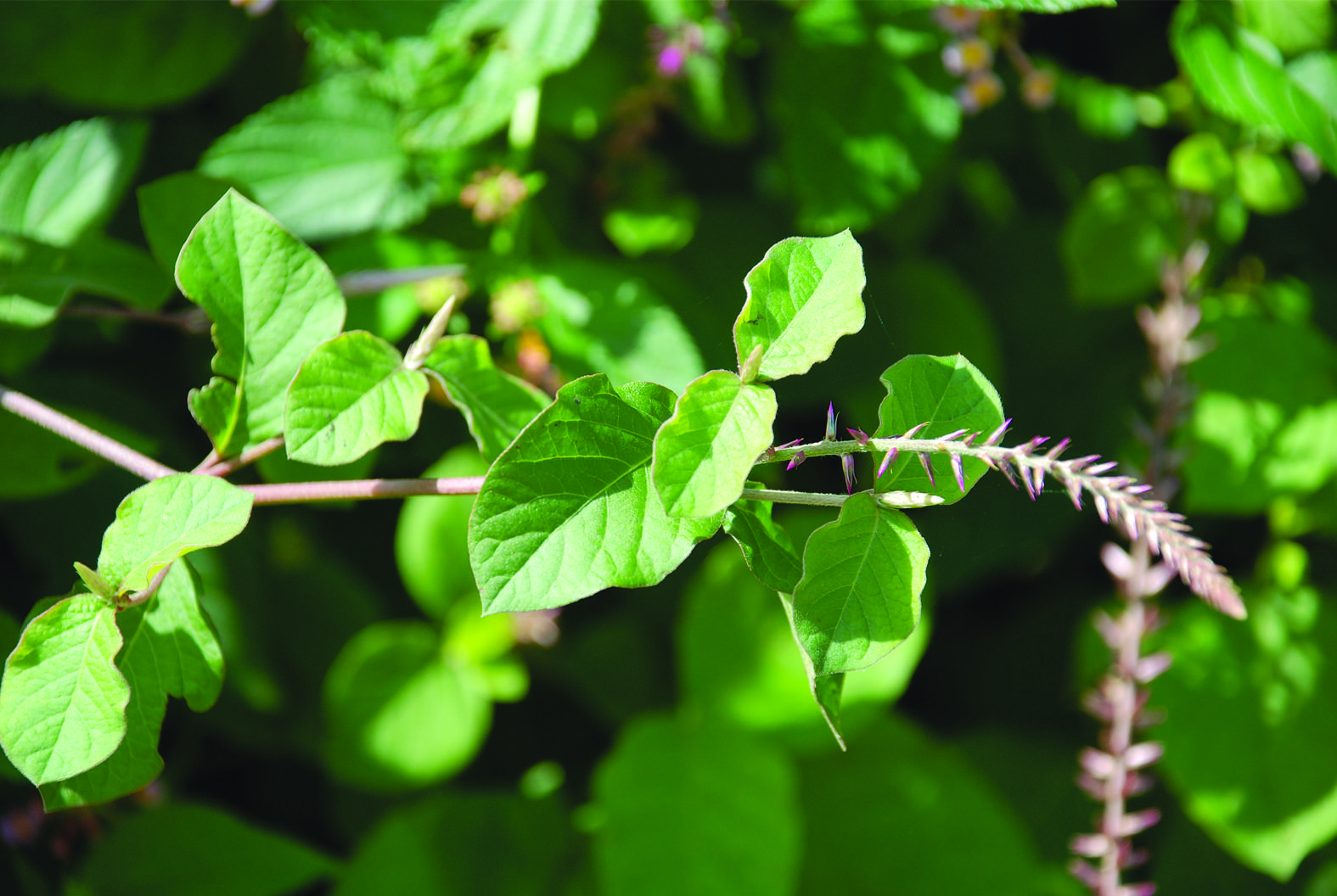
Achyranthes aspera is the source of Apamarga Kshara, a potent alkaline preparation used in Ksharasutra therapy.2 The alkaline constituents produce controlled chemical cauterization, resulting in gradual destruction of unhealthy tissue lining the fistulous tract. This process facilitates removal of necrotic tissue, infected debris, and epithelialized tract walls without extensive surgical dissection.
Antimicrobial Activity
Apamarga contains bioactive compounds such as alkaloids, flavonoids, saponins, and phenolic constituents that exhibit antimicrobial activity. The alkaline environment created by Apamarga Kshara inhibits microbial growth within the fistulous tract, thereby reducing infection and recurrence.
Promotion of Healing
Following debridement, Apamarga Kshara promotes healthy granulation tissue formation and fibrosis. This contributes to progressive closure and obliteration of the fistulous tract while preserving surrounding healthy tissues.
Role of Euphorbia neriifolia (Snuhi)
Drug Delivery Medium
Snuhi latex serves as an essential binding and drug-delivery medium in Ksharasutra preparation. Its viscous and adhesive nature enables uniform coating of Apamarga Kshara and Haridra powder on the surgical thread. This ensures sustained release of therapeutic agents directly into the diseased tract.
Anti-inflammatory and Antimicrobial Effects
The latex of Euphorbia neriifolia contains diterpenoids, triterpenoids, and flavonoids with demonstrated antimicrobial and anti-inflammatory activities. These properties help reduce local inflammation, edema, pain, and microbial colonization within the fistulous tract.
Wound-Healing Activity
Snuhi latex facilitates tissue regeneration and supports healthy granulation tissue formation. The sustained local action of the medicated thread encourages simultaneous cutting and healing, which is a unique advantage of Ksharasutra therapy.
Synergistic Action in Ksharasutra Therapy
The combination of Achyranthes aspera and Euphorbia neriifolia creates a highly effective therapeutic system. Apamarga Kshara provides chemical debridement and tract destruction, while Snuhi latex acts as a carrier that ensures prolonged delivery of active constituents. Together, they promote continuous drainage, removal of infected tissue, microbial control, and progressive healing of the tract. This synergistic action allows gradual transection of the fistula with minimal trauma to the anal sphincter complex.3
Clinical Significance in Minimally Invasive Management
Ksharasutra therapy utilizing Apamarga and Snuhi offers several advantages over conventional surgery:
- Minimally invasive and cost-effective procedure.
- Simultaneous cutting and healing of the fistulous tract.
- Reduced risk of anal sphincter damage and fecal incontinence.
- Lower recurrence rates due to complete tract obliteration.
- Minimal hospitalization and faster return to daily activities.
- Effective management of both simple and complex fistulas.
Conclusion
Euphorbia neriifolia and Achyranthes aspera are fundamental medicinal plants in the Ayurvedic management of fistula-in-ano through Ksharasutra therapy. Apamarga Kshara provides controlled chemical debridement, antimicrobial action, and tract obliteration, while Snuhi latex serves as a sustained drug-delivery medium with additional anti-inflammatory and wound-healing properties. Their synergistic pharmacological actions facilitate effective, minimally invasive treatment with simultaneous cutting and healing of the fistulous tract. Contemporary evidence supports their continued use as safe, economical, and clinically effective agents in the management of ano-rectal diseases.
References
- Jimenez M, Mandava N. Anorectal Fistula. In: StatPearls. Treasure Island (FL): StatPearls Publishing; 2026 Jan-. https://www.ncbi.nlm.nih.gov/books/NBK560657/
- Dudhamal TS, Gupta SK, Bhuyan C, Singh K. The role of Apamarga Kshara in the treatment of Arsha. Ayu. 2010;31(2):232-235. doi:10.4103/0974-8520.72406 https://pmc.ncbi.nlm.nih.gov/articles/PMC3215370/
- Sharma N, Sahu SK, Verma P, et al. Exploring the Role of Phytoconstituent From Euphorbia neriifolia Targeting IL-17A in Psoriasis: In Silico and In Vitro Study. Food Sci Nutr. 2025;13(12):e71352. Published 2025 Dec 17. doi:10.1002/fsn3.71352 https://pmc.ncbi.nlm.nih.gov/articles/PMC12710426/