Introduction
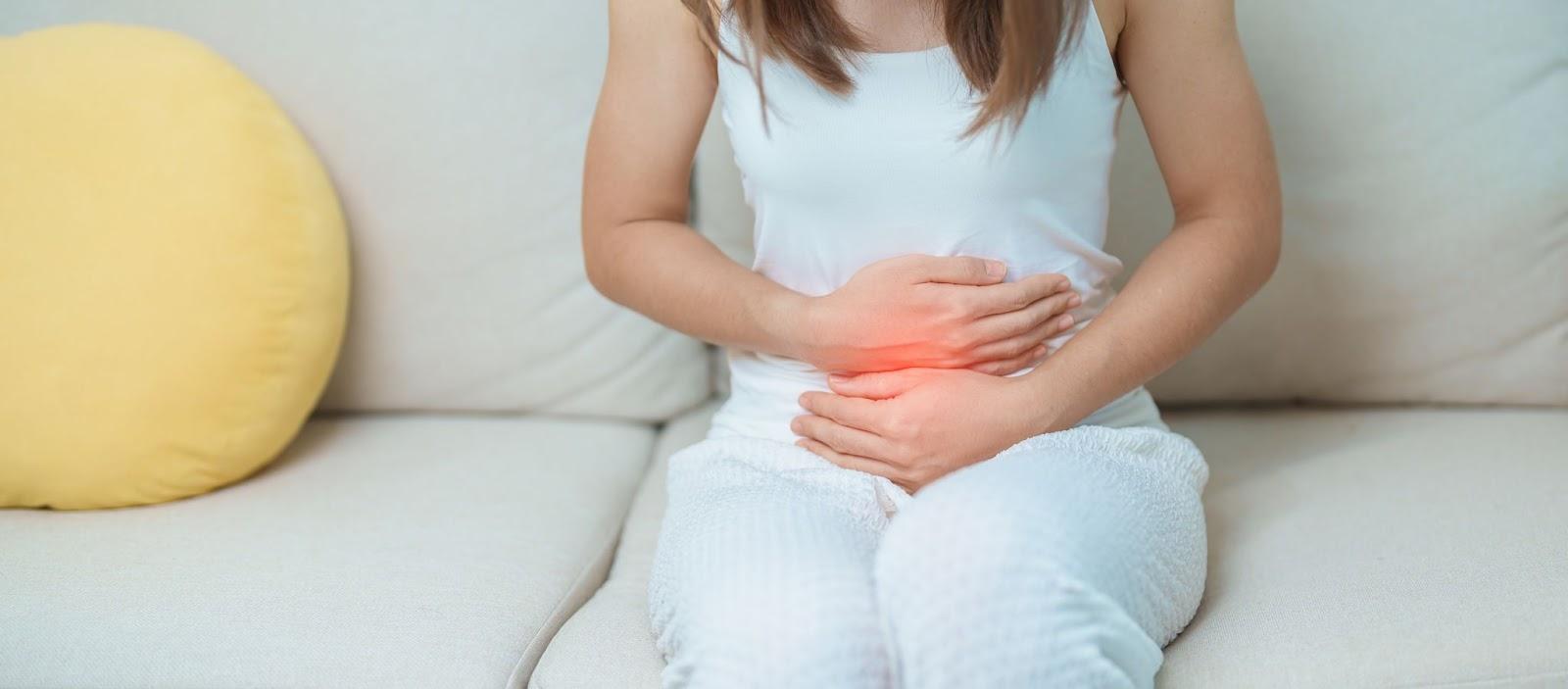
Polycystic Ovary Syndrome (PCOS) and endometriosis are among the most common gynecological disorders affecting women of reproductive age and are significant causes of menstrual disturbances, chronic pelvic pain, subfertility, and reduced quality of life. PCOS is characterized by hyperandrogenism, ovulatory dysfunction, insulin resistance, and metabolic abnormalities, affecting approximately 8–13% of women worldwide, while endometriosis affects nearly 10% of reproductive-aged women and is associated with chronic inflammation, dysmenorrhea, pelvic pain, and infertility. Despite differing clinical presentations, both disorders share important pathogenic mechanisms, including oxidative stress, chronic inflammation, hormonal imbalance, and metabolic dysfunction. Ayurveda attributes these conditions to disturbances in Kapha, Vata, and Pitta Dosha, impaired Agni (digestive and metabolic function), accumulation of Ama (metabolic toxins), and obstruction of bodily channels (Srotorodha). Management focuses on Ama Pachana, Agni Deepana, Srotoshodhana, and restoration of healthy reproductive tissues. Haridra (Curcuma longa), commonly known as turmeric, is one of the most widely used Ayurvedic medicinal herbs and has been traditionally administered as Churna, capsules, and polyherbal formulations to support reproductive, metabolic, and systemic health. Modern pharmacological research has identified curcumin and related curcuminoids as its principal bioactive constituents, possessing potent anti-inflammatory, antioxidant, immunomodulatory, anti-fibrotic, and metabolic-regulating activities. These properties may help address key pathological processes involved in PCOS and endometriosis, including inflammatory cytokine activation, oxidative stress, insulin resistance, and abnormal hormonal signaling. Consequently, Haridra represents a promising complementary therapeutic agent for supporting the management of PCOS and endometriosis from both Ayurvedic and contemporary scientific perspectives.1
Ayurvedic perspective
Haridra is described as:
- Tikta and Katu Rasa (bitter and pungent taste)
- Laghu and Ruksha Guna (light and dry qualities)
- Ushna Virya (hot potency)
- Katu Vipaka
- Kapha-Vata Shamaka
- Krimighna (antimicrobial)
- Varnya (improves tissue health)
- Raktashodhaka (blood purifier)
These properties contribute to its ability to reduce inflammation, improve metabolism, and support reproductive health.
Phytochemical constituents
Major bioactive compounds include:
- Curcumin
- Demethoxycurcumin
- Bisdemethoxycurcumin
- Turmerones
- Flavonoids
- Phenolic compounds
- Essential oils
These constituents provide antioxidant, anti-inflammatory, and endocrine-modulating effects.
Role in PCOS and endometriosis
Anti-inflammatory activity:
Chronic inflammation is central to both PCOS and endometriosis. Curcumin inhibits inflammatory mediators such as TNF-α, IL-1β, IL-6, NF-κB, and COX-2, thereby reducing inflammatory damage within reproductive tissues.
Antioxidant effects:
Oxidative stress contributes to ovarian dysfunction, endometrial inflammation, and infertility. Haridra enhances antioxidant enzymes including superoxide dismutase, catalase, and glutathione, protecting reproductive organs from oxidative injury.
Metabolic regulation:
Insulin resistance is a hallmark feature of PCOS. Studies suggest that curcumin improves insulin sensitivity, glucose metabolism, and lipid profiles, helping address metabolic abnormalities associated with PCOS.
Hormonal support:
Haridra may indirectly support hormonal balance by reducing inflammation and improving metabolic function. Experimental evidence suggests beneficial effects on ovarian function and androgen regulation.
Anti-endometriotic potential:
Research indicates that curcumin suppresses angiogenesis, cellular proliferation, and inflammatory signaling involved in endometriotic lesion development, suggesting a potential therapeutic role in endometriosis management.
Clinical applications
Polycystic ovary syndrome (PCOS):
Haridra is used as an adjunctive therapy to improve insulin sensitivity, regulate metabolism, reduce inflammation, and support menstrual regularity.2
Endometriosis:
Its anti-inflammatory and anti-proliferative properties may help reduce pelvic pain, lesion progression, and oxidative stress associated with endometriosis.
Dysmenorrhea:
Haridra may alleviate menstrual pain by inhibiting inflammatory mediators and reducing uterine inflammation.
Common preparations
Churna:
Haridra powder is traditionally administered with warm water, milk, or honey to support metabolism and reproductive health.
Capsules:
Standardized curcumin capsules are widely used in integrative approaches for inflammatory and metabolic disorders.
Polyherbal formulations:
Haridra is commonly combined with Ashoka, Lodhra, Guduchi, Shatavari, and Triphala in formulations targeting PCOS and gynecological disorders.
Conclusion
Haridra (Curcuma longa) is a valuable Ayurvedic herb with significant therapeutic potential in PCOS and endometriosis. Its anti-inflammatory, antioxidant, metabolic-regulating, and hormone-supportive activities address multiple pathogenic pathways involved in these disorders. Traditional preparations such as Churna, capsules, and polyherbal formulations continue to be widely utilized in women's healthcare. Current scientific evidence supports its role as a complementary intervention for managing PCOS, endometriosis, and dysmenorrhea, although further large-scale clinical studies are needed to establish standardized treatment protocols.
Reference:
- Kamal DAM, Salamt N, Yusuf ANM, Kashim MIAM, Mokhtar MH. Potential Health Benefits of Curcumin on Female Reproductive Disorders: A Review. Nutrients. 2021;13(9):3126. Published 2021 Sep 7. doi:10.3390/nu13093126 https://pmc.ncbi.nlm.nih.gov/articles/PMC8471428/
- Akter T, Zahan MS, Nawal N, et al. Potentials of curcumin against polycystic ovary syndrome: Pharmacological insights and therapeutic promises. Heliyon. 2023;9(6):e16957. Published 2023 Jun 2. doi:10.1016/j.heliyon.2023.e16957 https://pmc.ncbi.nlm.nih.gov/articles/PMC10279838/