
Introduction
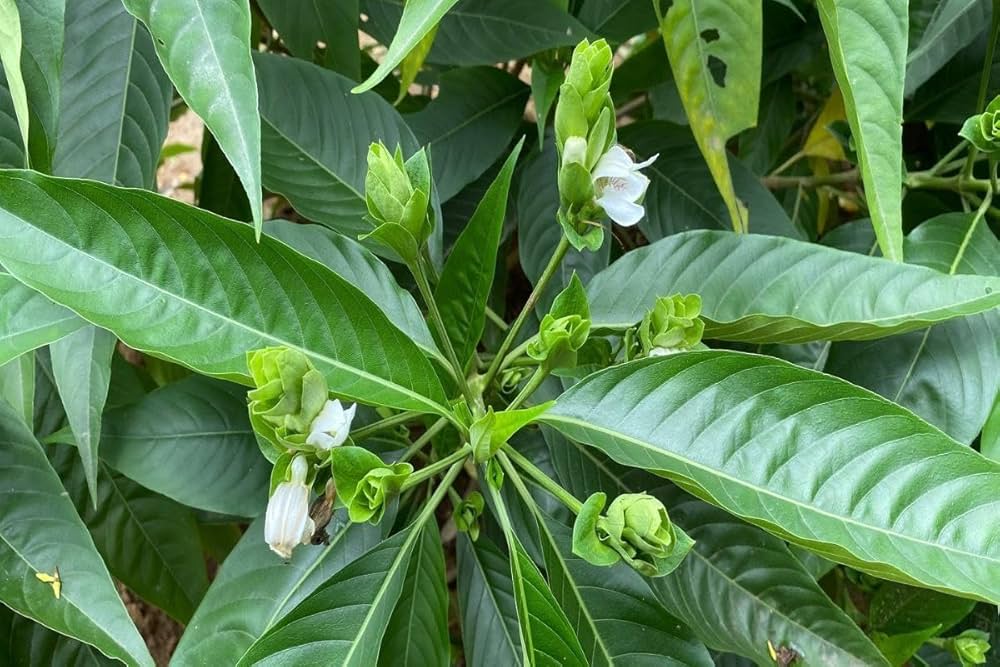
Adhatoda vasica, commonly known as Vasaka or Malabar nut, is a significant medicinal plant widely used in traditional Ayurvedic medicine. Belonging to the family Acanthaceae, it is primarily recognized for its therapeutic role in respiratory disorders. Its pharmacological activity is attributed to bioactive constituents such as vasicine, vasicinone, and essential oils, which collectively support its traditional and clinical applications.
A substantial proportion of the global population continues to rely on herbal medicine as a primary healthcare system, particularly in developing regions, highlighting the continued relevance of medicinal plants such as Adhatoda vasica in primary healthcare practices.
Classical Ayurvedic and textual relevance
In Sanskrit literature, Adhatoda vasica is referred to as “Vasa,” emphasizing its principal therapeutic role as an expectorant. The term “vasaka” describes the same plant, which is extensively referenced in classical Ayurvedic texts such as Charaka Samhita and Ashtanga Hridayam. It is traditionally indicated as a first-line intervention in Tamaka Shwasa (bronchial asthma) and Kasa (cough). 1
This classical positioning reflects its long-standing role in managing disorders of the respiratory system through mucus clearance and airway support.
Botanical and morphological profile
Adhatoda vasica is a dense, evergreen perennial shrub that typically grows between 1.2 and 2.5 meters in height, with potential to reach up to 6 meters under optimal conditions. Key morphological components include:
- Stem and bark structure
- Leaf arrangement and morphology
- Flower and stamen configuration
- Ovary and fruit characteristics
- Inflorescence pattern
- Propagation features
These structural characteristics support its identification and pharmacognostic evaluation in traditional and modern herbal systems.
Pharmacological and therapeutic properties
The most extensively documented therapeutic domain of Adhatoda vasica is respiratory pharmacology. Its pharmacological actions include:
- Bronchodilator activity supporting airway relaxation
- Expectorant effect facilitating mucus clearance
- Antitussive properties reducing cough reflex
- Antimicrobial activity
- Anti-inflammatory effects
- Antioxidant potential
These combined actions contribute to its effectiveness in managing a wide range of respiratory conditions such as asthma, bronchitis, and chronic cough.
Evidence-based traditional usage context
Long-standing evaluations across controlled clinical observations, along with many assessments, have consistently supported its respiratory benefits over several decades of investigation.
In clinical applications involving Vasa Avaleha, comparative observations between Swarasa (fresh aqueous extract) and Kwatha formulations indicate:
- Reduction in asthma-related symptoms across both preparations
- Greater symptom relief and improved hematological parameters associated with Swarasa preparation 2
This highlights the influence of preparation form on therapeutic outcomes and clinical response.
Conclusion
Adhatoda vasica remains a cornerstone medicinal plant in Ayurvedic respiratory therapeutics. Its classical indication in Tamaka Shwasa and Kasa, combined with its bronchodilator, expectorant, and anti-inflammatory properties, reinforces its clinical relevance. The variation in therapeutic outcomes based on formulation type further emphasizes the importance of traditional preparation methods in optimizing respiratory care outcomes.
References:
1. Kapgate S, Patil A. Adhatoda vasica: a critical review. Int J Green Pharm. 2022;11(4):654‑662. doi:10.22377/ijgp.v11i04.1341. https://www.researchgate.net/publication/362901846_Adhatoda_vasica_A_critical_review_SM_Kapgate_International_Journal_of_Green_Pharmacy_IJGP_11_04
2. Nirmal A, Adhav H, Vishwasrao K, Datir R, Khemnar S, Kudnar T, Mhase Y. Phytochemical and pharmacological review of Adhatoda vasica (vasaka) and its therapeutic applications. Int J Pharm Sci. 2026;4(4):1268‑1287. doi:10.5281/zenodo.19475233. https://www.ijpsjournal.com/article/Phytochemical+and+Pharmacological+Review+of+Adhatoda+vasica+Vasaka+and+its+Therapeutic+Applications++