
Introduction
Children are particularly susceptible to respiratory infections because of developing immunity and frequent exposure to infectious agents. Recurrent respiratory illnesses can impair daily activities, academic performance, and physical development. In addition, allergic airway disorders are becoming increasingly prevalent worldwide.
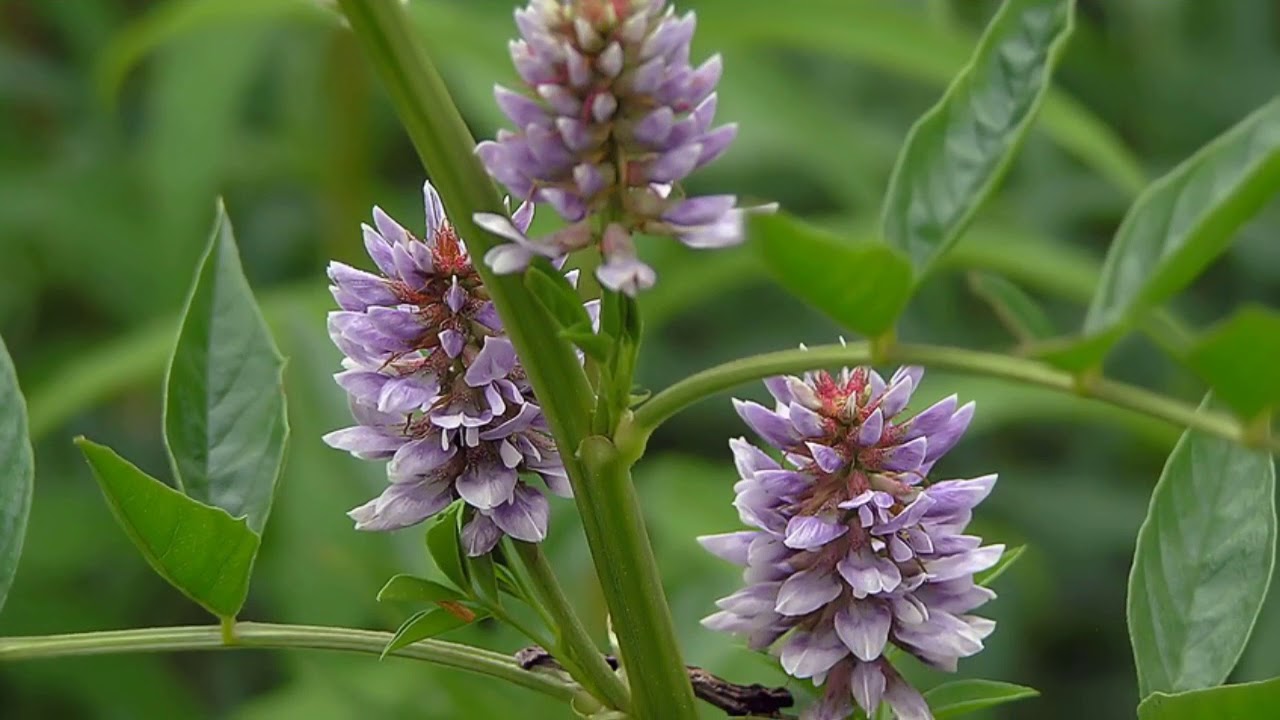
Ayurveda emphasizes strengthening respiratory health through herbs that reduce airway inflammation, soothe mucosal tissues, and improve resistance to disease. Yashtimadhu has been extensively used for centuries in managing cough, hoarseness, throat irritation, and respiratory weakness. Contemporary research increasingly validates its therapeutic benefits.1
Ayurvedic perspective
Yashtimadhu is characterized by:
- Madhura Rasa (sweet taste)
- Guru and Snigdha Guna (heavy and unctuous qualities)
- Sheeta Virya (cool potency)
- Madhura Vipaka
- Kasahara (relieves cough)
- Shwasahara (supports respiratory function)
- Rasayana (rejuvenative)
- Vranaropana (healing property)
These attributes make it particularly beneficial for respiratory disorders involving irritation, dryness, and inflammation.
Phytochemical constituents
The major bioactive compounds include:
- Glycyrrhizin
- Glycyrrhetinic acid
- Liquiritigenin
- Glabridin
- Flavonoids
- Saponins
- Polysaccharides
These constituents contribute to its anti-inflammatory and respiratory-protective activities.
Mechanisms in pediatric respiratory health
Anti-inflammatory activity:
Airway inflammation is a central feature of respiratory infections and allergic disorders. Glycyrrhizin suppresses pro-inflammatory mediators such as TNF-α, IL-1β, and COX-2, helping reduce airway inflammation and mucosal swelling.
Soothing airway irritation:
Yashtimadhu possesses demulcent properties that form a protective coating over irritated mucous membranes. This action helps relieve throat discomfort, hoarseness, and airway irritation.
Reduction of cough frequency:
The herb acts as a natural anti-tussive by reducing irritation-induced cough reflexes and promoting mucosal healing, thereby decreasing cough frequency and severity.2
Immunomodulatory effects:
Experimental studies indicate that Yashtimadhu supports immune function and may enhance resistance to recurrent respiratory infections through modulation of immune responses.
Antioxidant protection:
Its flavonoids and polyphenols protect respiratory tissues from oxidative stress and inflammatory damage associated with recurrent infections.
Clinical applications
Cough:
Yashtimadhu is commonly administered as Churna mixed with honey or as herbal syrups to reduce cough, throat irritation, and hoarseness in children.
Recurrent respiratory infections:
Its immunomodulatory and anti-inflammatory actions make it useful as supportive therapy in children prone to recurrent upper respiratory tract infections.
Allergic airway disorders:
Yashtimadhu may help reduce airway irritation and inflammatory responses associated with allergic respiratory conditions, supporting respiratory comfort and function.
Common pediatric formulations:
- Yashtimadhu Churna with honey
- Yashtimadhu-based herbal syrups
- Yashtimadhu Ghrita
- Polyherbal respiratory formulations
- Medhya and Rasayana preparations containing Yashtimadhu
Conclusion
Yashtimadhu (Glycyrrhiza glabra) is a valuable Ayurvedic herb for pediatric respiratory health. Its anti-inflammatory, demulcent, antioxidant, and immunomodulatory properties help soothe airway irritation, reduce cough frequency, and support respiratory function. Traditional formulations such as churna with honey, herbal syrups, and medicated ghrita continue to play an important role in managing cough, recurrent respiratory infections, and allergic airway disorders. Growing scientific evidence supports its integration into complementary pediatric respiratory care.
Reference:
- Pastorino G, Cornara L, Soares S, Rodrigues F, Oliveira MBPP. Liquorice (Glycyrrhiza glabra): A phytochemical and pharmacological review. Phytother Res. 2018;32(12):2323-2339. doi:10.1002/ptr.6178 https://pmc.ncbi.nlm.nih.gov/articles/PMC7167772/
- Wahab S, Ahmad I, Irfan S, Siddiqua A, Usmani S, Ahmad MP. Pharmacological Efficacy and Safety of Glycyrrhiza glabra in the Treatment of Respiratory Tract Infections. Mini Rev Med Chem. 2022;22(11):1476-1494. doi: 10.2174/1389557521666210927153001. PMID: 34579633. https://pubmed.ncbi.nlm.nih.gov/34579633/