
Introduction
Primary dysmenorrhea is a common gynecological condition characterized by recurrent, cramp-like lower abdominal pain occurring during menstruation in the absence of identifiable pelvic pathology. It is primarily mediated by excessive uterine prostaglandin production, leading to increased uterine contractility, ischemia, and pain. Conventional management includes nonsteroidal anti-inflammatory drugs (NSAIDs) and hormonal therapy; however, long-term use may be associated with adverse effects or contraindications. In this context, Ayurvedic formulations such as Ashokarishta have gained attention as alternative or complementary therapeutic options due to their purported uterine tonic and analgesic properties.
Composition and Ayurvedic rationale
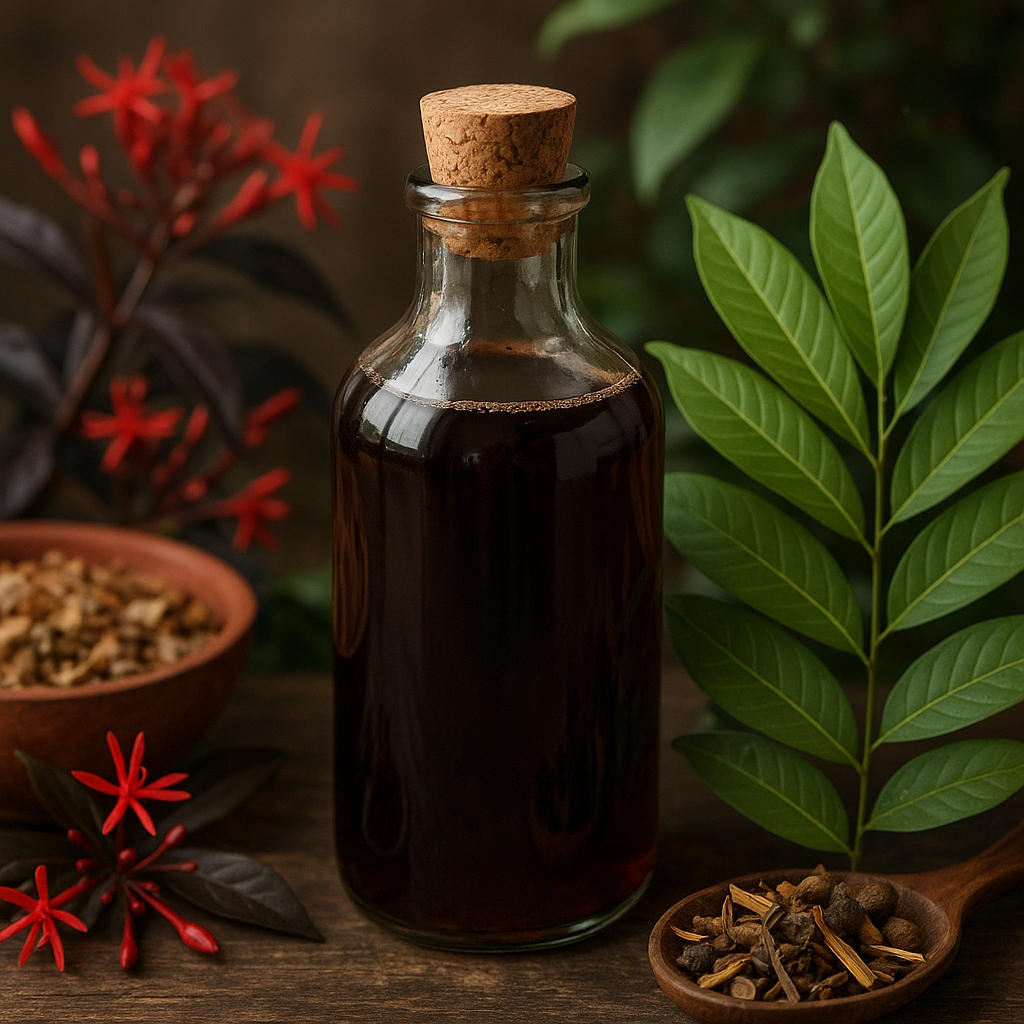
Ashokarishta is a classical fermented Ayurvedic preparation predominantly containing Saraca asoca (Ashoka), along with other herbs such as Dhataki (Woodfordia fruticosa), Musta (Cyperus rotundus), Haritaki (Terminalia chebula), Amalaki (Emblica officinalis), and Dashamoola components in some formulations. It is prepared through natural fermentation, producing self-generated alcohol that facilitates the extraction of phytoconstituents and enhances bioavailability. In Ayurveda, Ashokarishta is classified under “Arishta” preparations and is traditionally indicated in disorders of the female reproductive system, particularly menorrhagia, dysmenorrhea, and other menstrual irregularities. It is believed to balance Vata and Pitta doshas, which are implicated in pain and inflammatory processes.
Mechanisms of action in dysmenorrhea
From a pharmacological perspective, Ashoka bark contains flavonoids, tannins, and glycosides that exhibit anti-inflammatory, antispasmodic, and analgesic activities. These constituents may inhibit cyclooxygenase pathways, thereby reducing prostaglandin synthesis, which is a key mediator in primary dysmenorrhea. Additionally, the smooth muscle relaxant effect may help reduce uterine hypercontractility, thereby alleviating ischemic pain. The adaptogenic and anxiolytic properties of some ingredients may further contribute to symptom relief by modulating neuroendocrine stress responses, which are often exacerbated during menstrual cycles.
Clinical evaluation of therapeutic efficacy
Several clinical studies and observational trials have evaluated the efficacy of Ashokarishta in women with primary dysmenorrhea.
- Patients are typically assessed using validated pain scales such as the Visual Analog Scale (VAS) and symptom scoring indices over multiple menstrual cycles. Findings from these studies suggest a significant reduction in pain intensity, duration of cramps, and associated symptoms such as nausea, fatigue, and irritability after consistent administration of Ashokarishta for 2–3 menstrual cycles.
- In comparative studies, Ashokarishta has demonstrated moderate efficacy when used as monotherapy and enhanced outcomes when combined with dietary regulation (Pathya-Apathya) and lifestyle modifications.
- Some studies also report improved menstrual regularity and reduced dependence on NSAIDs, indicating a potential disease-modifying role rather than purely symptomatic relief. However, variability in study design, small sample sizes, and lack of large-scale randomized controlled trials limit the generalizability of findings.
Safety and tolerability
Ashokarishta is generally well tolerated, with minimal reported adverse effects. Due to its self-generated alcohol content, caution is advised in patients with contraindications to alcohol exposure. Mild gastrointestinal discomfort has been reported in rare cases. Its safety profile makes it suitable for long-term use under medical supervision.
Conclusion
Ashokarishta represents a promising Ayurvedic intervention for the management of primary dysmenorrhea, offering analgesic, anti-inflammatory, and uterine relaxant effects. Clinical evidence suggests its potential in reducing pain severity and improving quality of life in affected individuals. However, further large-scale, well-designed randomized controlled trials are required to establish standardized dosing protocols and confirm long-term efficacy. Integration of Ashokarishta into evidence-based gynecological practice may provide a complementary approach to the holistic management of primary dysmenorrhea.1
References:
Chowdhury M, Marjhan N, Mannan MA. Assessment of the efficacy of Ashokarista syrup for the treatment of primary dysmenorrhea. Int J Unani Integr Med. 2024;8(2):96-103. doi:10.33545/2616454X.2024.v8.i2b.285 https://www.researchgate.net/profile/Nargish-Marjhan/publication/383770216_Assessment_of_the_efficacy_of_Ashokarista_syrup_for_the_treatment_of_primary_dysmenorrhea/links/66d9732ebd201736679027b8/Assessment-of-the-efficacy-of-Ashokarista-syrup-for-the-treatment-of-primary-dysmenorrhea.pdf