
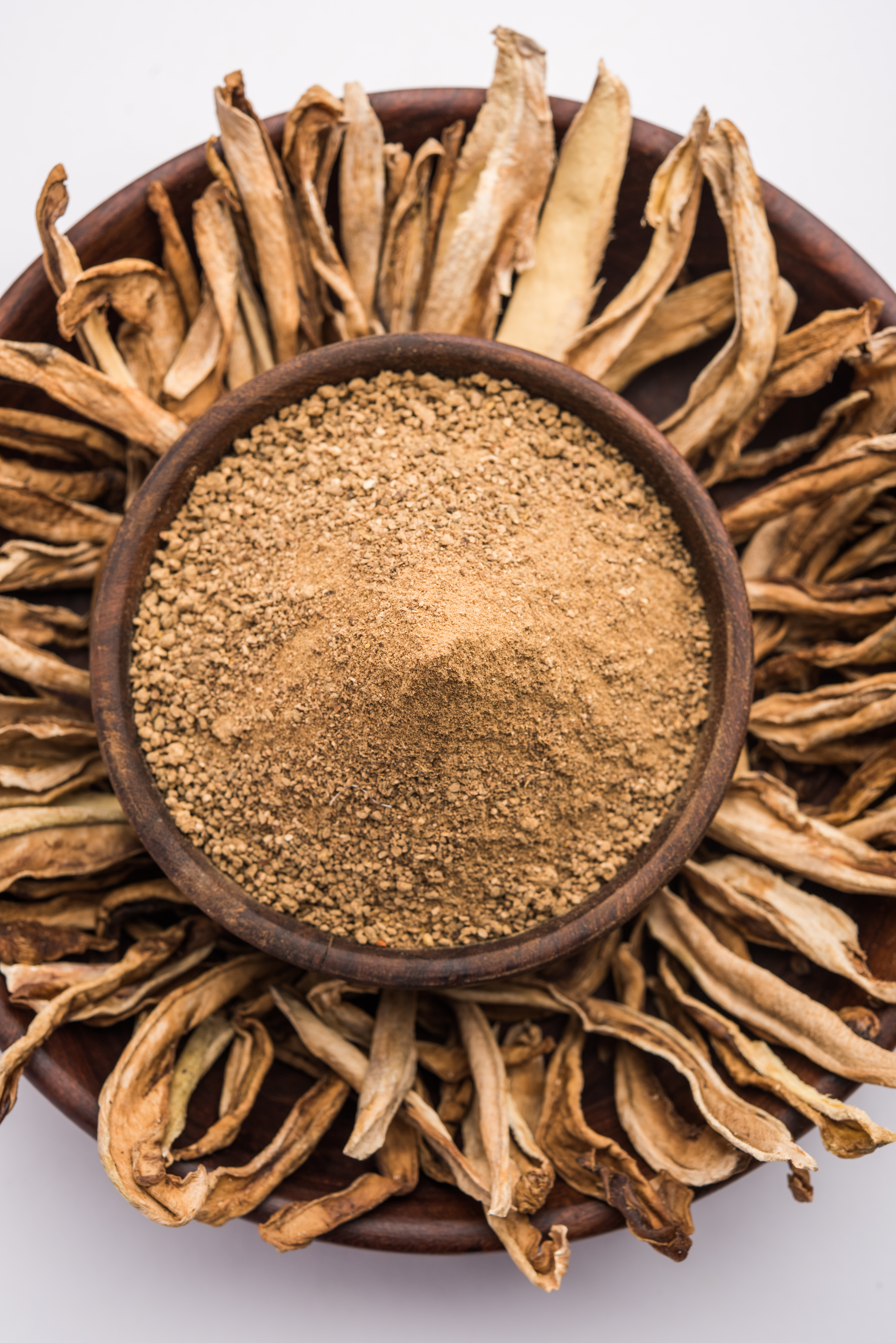
Type 2 diabetes mellitus (T2DM) is a chronic metabolic disorder characterised by disruption of carbohydrate, lipid and protein metabolism, resulting in persistent hyperglycaemia. This condition primarily results from diminishing insulin secretion by pancreatic β cells, impaired insulin action, or a combination of both, known as insulin metabolic syndromes. Mahogany, commonly known as Sky fruit or Swietenia macrophylla, is a tropical tree belonging to the Meliaceae family. Its seeds are used in traditional medicine and have attracted interest for their potential role in blood sugar regulation. The seeds are sometimes consumed as a complementary remedy by people seeking to manage diabetes. Their proposed effects are attributed to bioactive compounds that may influence glucose metabolism, insulin activity, and oxidative stress.1
Potential role in blood sugar control
Regulation of blood glucose:
Sky fruit (Swietenia macrophylla) contains bioactive compounds that may influence glucose metabolism. Certain seed extracts have demonstrated glucose-lowering potential in experimental models. These effects suggest that the plant's phytochemicals may contribute to the regulation of blood glucose, although the underlying mechanisms require further investigation.
Potential effects on insulin-related pathways:
Swietenine, a bioactive compound found in S. macrophylla, has been investigated for its potential role in glucose utilisation and metabolic regulation. It may influence pathways involved in glucose uptake and utilisation by peripheral tissues. However, its precise effects on insulin sensitivity and glucose metabolism remain to be established.
Effects on carbohydrate digestion:
Certain extracts of S. macrophylla have shown potential to inhibit α-amylase and α-glucosidase, enzymes responsible for breaking down carbohydrates into absorbable sugars. Inhibiting these enzymes may slow carbohydrate digestion and reduce the rate of glucose absorption after meals.2 However, the extent of this effect depends on the extract's composition and biological activity.
Antioxidant effects and metabolic health:
Oxidative stress can contribute to pancreatic beta-cell dysfunction and impaired glucose metabolism. The phenolic compounds and other bioactive constituents of S. macrophylla may provide antioxidant effects by influencing reactive oxygen species and cellular stress responses. These properties suggest a possible supportive role in metabolic health, although their contribution to blood sugar regulation remains uncertain.
Conclusion
Sky fruit (Swietenia macrophylla) contains bioactive compounds, including swietenine, that have shown promising glucose-lowering effects in laboratory and animal studies. Research has also explored possible effects on carbohydrate-digesting enzymes and oxidative stress. Nevertheless, clinical evidence in humans is insufficient to establish its effectiveness or an appropriate dose, and reports of liver injury raise important safety concerns.3
Reference:
- Swaminathan M, Ahmad M, Razak KNA, et al. Antihyperglycaemic Activity of Standardised Ethanolic Extract of Swietenia macrophylla King Seeds on Goto-Kakizaki Type 2 Diabetic Rats. Trop Life Sci Res. 2025;36(2):99-122. doi:10.21315/tlsr2025.36.2.5 https://pmc.ncbi.nlm.nih.gov/articles/PMC12618088/
- Pandey K, Paul A, Kumar M, et al. Phytochemical profiling and anti-diabetic study of hydroalcoholic leaf extract of Swietenia macrophylla King. Biochem Biophys Rep. 2025;43:102200. Published 2025 Aug 7. doi:10.1016/j.bbrep.2025.102200 https://pmc.ncbi.nlm.nih.gov/articles/PMC12354860/
- LiverTox: Clinical and Research Information on Drug-Induced Liver Injury [Internet]. Bethesda (MD): National Institute of Diabetes and Digestive and Kidney Diseases; 2012-. Mahogany Seed. https://www.ncbi.nlm.nih.gov/sites/books/NBK608064/