
Introduction
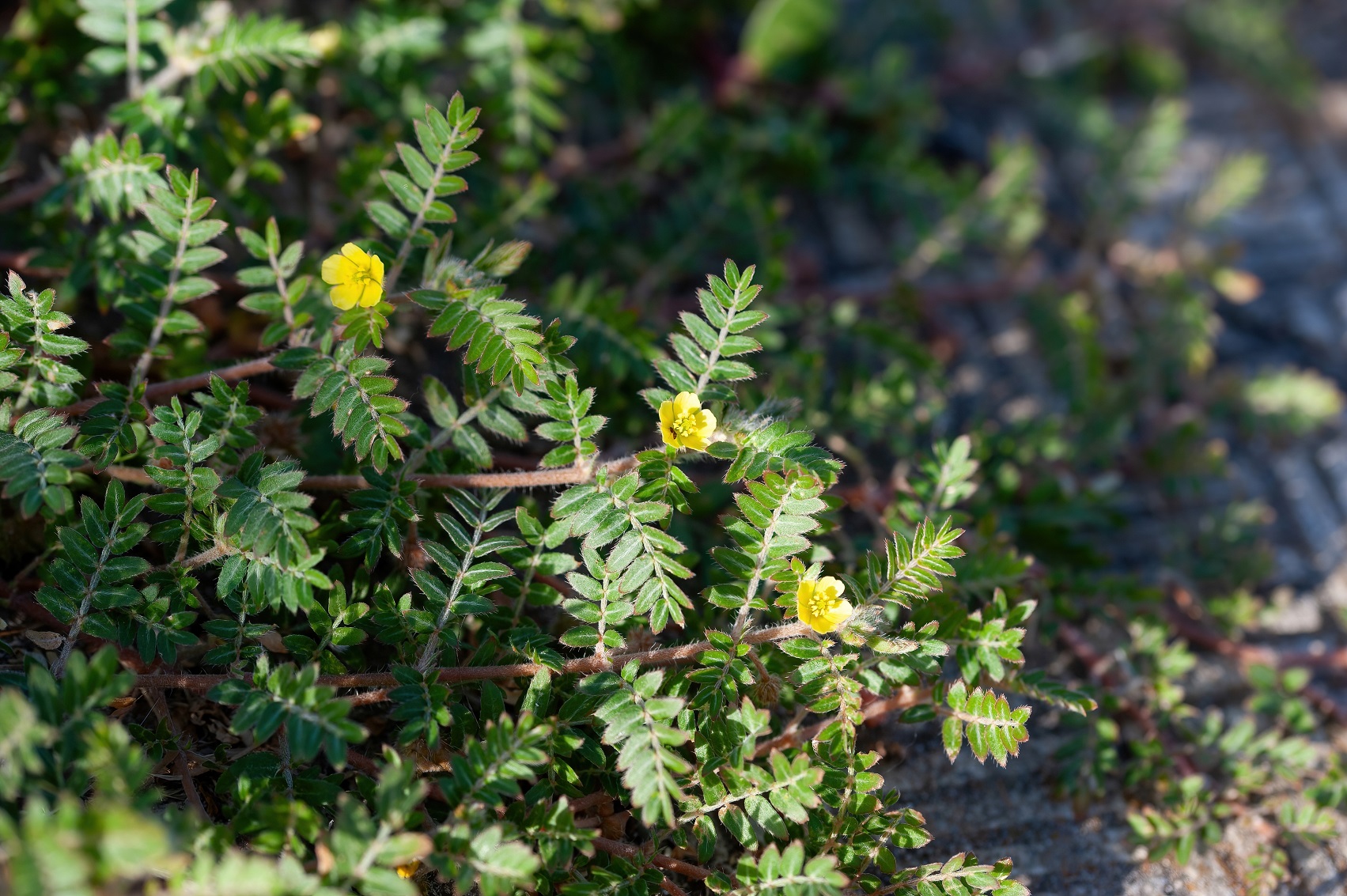
Gokshura (Tribulus terrestris Linn.) is a classical Ayurvedic medicinal plant widely referenced in urinary system disorders. It is traditionally associated with Mutravaha Srotas support and is clinically relevant in conditions involving urinary dysfunction, pain, and obstructive pathologies. Its role extends to supportive management of urinary tract disorders, including dysuria and urolithiasis.
Pathophysiological relevance in urinary disorders
Urinary disorders are commonly associated with altered urinary flow, inflammation, and obstruction within the urinary tract. In Ayurvedic correlation, these conditions involve derangement of Vata and Pitta dosha affecting Mutravaha Srotas, leading to symptoms such as pain, burning sensation, and difficulty in urination. In urolithiasis, crystal formation and urinary obstruction further contribute to clinical symptomatology.
Therapeutic relevance of Gokshura in urinary system disorders
Gokshura is traditionally utilized for its supportive role in maintaining urinary tract health and promoting physiological urinary function. Its application is widely described in urinary irritation, stone-related disorders, and functional urinary disturbances.
Key therapeutic roles include:
- Mutrala action: Supports increased urinary output and flow regulation
- Srotoshodhana support: Associated with cleansing and functional regulation of urinary channels
- Anti-obstructive support: Helps in reducing urinary difficulty and obstruction-related symptoms
Clinical application in urinary disorders
Clinical use of Gokshura is described across a spectrum of urinary tract conditions, including dysuria, urinary retention, and urolithiasis-related discomfort. It is commonly incorporated in single and polyherbal formulations targeting Mutravaha Srotas dysfunction.
Core application aspects include:
- Use in urinary tract infection–related symptom support strategies
- Inclusion in formulations for urolithiasis and urinary obstruction management
- Supportive role in improving urinary comfort and flow regulation
Pharmacological and mechanistic basis
Pharmacological evaluations of Tribulus terrestris indicate diuretic, anti-inflammatory, and anti-urolithiatic activities. These effects are associated with enhancement of urinary output, modulation of inflammatory responses in urinary tissues, and regulation of crystal formation processes. Such multi-dimensional activity supports its relevance in urinary system disorders.
Mechanistic perspective in urinary dysfunction
Urinary dysfunction involves impaired flow, inflammation, and obstruction within Mutravaha Srotas. Gokshura is associated with supportive modulation of these processes through diuretic action, urinary tract relaxation, and maintenance of physiological urinary dynamics.
Conclusion
Gokshura (Tribulus terrestris) demonstrates significant therapeutic relevance in urinary disorders through its traditional Mutravaha Srotas supportive role and pharmacological diuretic, anti-inflammatory, and anti-urolithiatic properties. Its application supports urinary flow regulation, symptom relief, and functional balance in urinary tract dysfunctions. 1,2
References:
- Chhatre S, Nesari T, Somani G, Kanchan D, Sathaye S. Phytopharmacological overview of Tribulus terrestris. Pharmacogn Rev. 2014;8(15):45-51. doi:10.4103/0973-7847.125530. https://pmc.ncbi.nlm.nih.gov/articles/PMC3931200/
- Bhalodia SG, Bhuyan C, Gupta SK, Dudhamal TS. Gokshuradi Vati and Dhanyaka-Gokshura Ghrita Matra Basti in the management of Benign Prostatic Hyperplasia. Ayu. 2012;33(4):547-551. doi:10.4103/0974-8520.110532. https://pmc.ncbi.nlm.nih.gov/articles/PMC3665207/