
Introduction
Musculoskeletal conditions such as osteoarthritis (Sandhivata), cervical and lumbar spondylosis, frozen shoulder (Avabahuka), sciatica (Gridhrasi), and chronic low back pain are often associated with pain, stiffness, muscle weakness, and reduced functional capacity. Agnikarma, described by Sushruta, is a para-surgical procedure that employs controlled thermal cauterization to relieve pain and improve mobility. Although Agnikarma effectively reduces symptoms, optimal recovery requires restoration of muscle strength, tissue integrity, and physical function.1
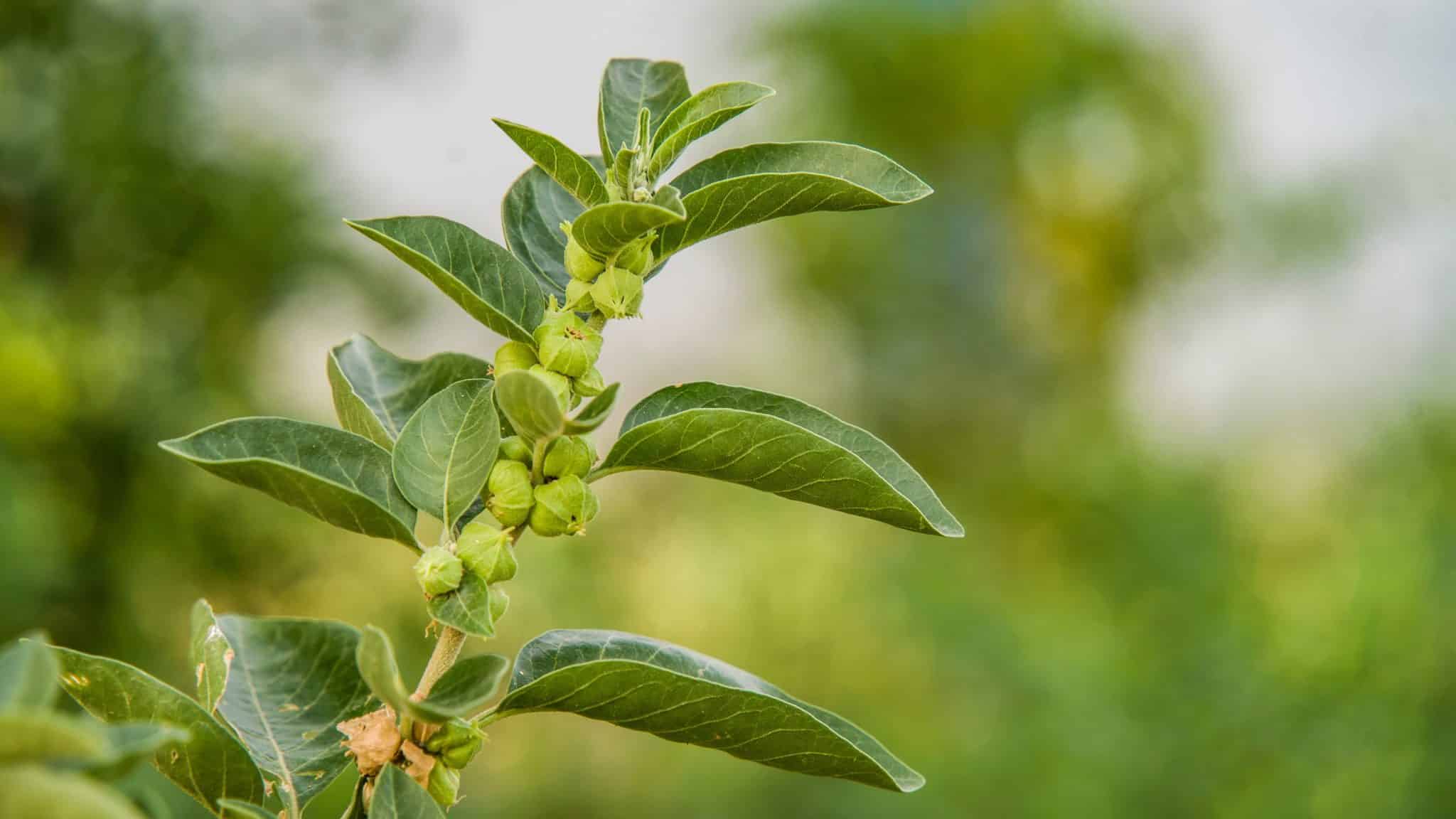
Ashwagandha (Withania somnifera), traditionally classified as a Balya (strength-promoting) and Rasayana (rejuvenative) herb, has long been used in conditions involving weakness, degeneration, and chronic inflammation. Its ability to enhance physical resilience and support tissue repair makes it particularly relevant during the rehabilitation phase following Agnikarma.
Pharmacological basis of ashwagandha
The therapeutic actions of Ashwagandha are primarily attributed to bioactive compounds known as withanolides, including withaferin A and withanolide D. These constituents exhibit anti-inflammatory, antioxidant, immunomodulatory, neuroprotective, and anabolic activities.
Experimental studies have shown that Ashwagandha suppresses inflammatory mediators such as TNF-α, IL-1β, IL-6, and NF-κB, thereby reducing chronic inflammation associated with musculoskeletal disorders. Its antioxidant properties protect muscles, joints, and connective tissues from oxidative damage. Furthermore, Ashwagandha has demonstrated the ability to enhance muscle mass, strength, endurance, and recovery in both clinical and experimental settings.
Role in rehabilitation after agnikarma
Agnikarma alleviates pain through thermal analgesia, improved microcirculation, and reduction of muscle spasm. Following the procedure, Ashwagandha can support rehabilitation by promoting tissue regeneration and functional recovery.
The herb contributes to muscle strengthening, which is particularly important in patients experiencing chronic disuse, weakness, or age-related degeneration. Enhanced muscle function helps stabilize affected joints and improves overall mobility. Ashwagandha also supports recovery by reducing residual inflammation and facilitating tissue repair processes. From an Ayurvedic perspective, Ashwagandha pacifies aggravated Vata Dosha and nourishes depleted tissues (Dhatu Kshaya), both of which are common features of chronic musculoskeletal disorders. Its rejuvenative properties help restore physical strength and vitality, thereby complementing the immediate benefits of Agnikarma.2
Clinical applications
Ashwagandha-assisted rehabilitation following Agnikarma may be beneficial in:
- Osteoarthritis (Sandhivata)
- Cervical spondylosis (Manyastambha)
- Lumbar spondylosis (Katigraha)
- Sciatica (Gridhrasi)
- Frozen shoulder (Avabahuka)
- Chronic low back pain
- Age-related musculoskeletal degeneration
Clinical studies have reported improvements in muscle strength, pain scores, physical performance, quality of life, and functional outcomes following Ashwagandha supplementation in musculoskeletal conditions.
Conclusion
Ashwagandha (Withania somnifera) is a valuable Ayurvedic Rasayana with significant potential in musculoskeletal rehabilitation following Agnikarma. Its anti-inflammatory, antioxidant, adaptogenic, and muscle-strengthening properties complement the analgesic effects of thermal therapy, supporting recovery, mobility, and long-term functional improvement. The integration of Ashwagandha with Agnikarma represents a holistic strategy for managing chronic musculoskeletal disorders and enhancing rehabilitation outcomes. Further randomized clinical trials are warranted to establish standardized protocols and strengthen the evidence base for this integrative approach.3
Reference:
- Bonilla DA, Moreno Y, Gho C, Petro JL, Odriozola-Martínez A, Kreider RB. Effects of Ashwagandha (Withania somnifera) on Physical Performance: Systematic Review and Bayesian Meta-Analysis. J Funct Morphol Kinesiol. 2021;6(1):20. Published 2021 Feb 11. doi:10.3390/jfmk6010020 https://pmc.ncbi.nlm.nih.gov/articles/PMC8006238/
- Wankhede S, Langade D, Joshi K, Sinha SR, Bhattacharyya S. Examining the effect of Withania somnifera supplementation on muscle strength and recovery: a randomized controlled trial. J Int Soc Sports Nutr. 2015;12:43. Published 2015 Nov 25. doi:10.1186/s12970-015-0104-9 https://pmc.ncbi.nlm.nih.gov/articles/PMC4658772/
- Raut A, Tripathi R, Marathe PA, et al. Evaluation of Withania somnifera (L.) Dunal (Ashwagandha) on Physical Performance, Biomarkers of Inflammation, and Muscle Status in Healthy Volunteers: A Randomized, Double-Blind, Placebo-Controlled Study. Cureus. 2024;16(9):e68940. Published 2024 Sep 8. doi:10.7759/cureus.68940 https://pmc.ncbi.nlm.nih.gov/articles/PMC11460434/