
Introduction
Polycystic ovary syndrome (PCOS) is a prevalent endocrine–metabolic disorder affecting women of reproductive age and is strongly associated with excess body weight, insulin resistance, and long-term cardiometabolic risk. Obesity not only exacerbates the clinical manifestations of PCOS, including hyperandrogenism, menstrual irregularities, and subfertility, but also contributes to treatment resistance and poorer reproductive outcomes. Lifestyle modification, particularly dietary intervention, is considered a cornerstone in PCOS management in contemporary clinical guidelines.1 In parallel, traditional Indian systems of medicine, including Ayurveda and Siddha, offer structured dietary frameworks that emphasize metabolic balance, individualized nutrition, and long-term lifestyle correction rather than calorie restriction alone. Insights from clinicians practicing these systems highlight a holistic, constitution-based approach to weight management in PCOS.
Ayurvedic and Siddha conceptualization of obesity in PCOS
- In Ayurveda, obesity in PCOS is primarily understood as a manifestation of Kapha dosha aggravation, often accompanied by impairment of Agni (digestive/metabolic fire) and accumulation of Ama (metabolic toxins). This results in sluggish metabolism, fat tissue accumulation, and hormonal imbalance affecting reproductive function.
- In Siddha medicine, a similar concept is described through imbalance in Kapam (Kapha equivalent) and disruption of metabolic humors, leading to impaired energy transformation and tissue metabolism.
- Clinicians from traditional Indian medicine systems emphasize that weight gain in PCOS is not merely a caloric imbalance but a systemic metabolic dysfunction requiring correction at the level of digestion, tissue metabolism, and endocrine regulation.
Dietary principles in traditional Indian medicine
- Dietary management in Ayurveda and Siddha focuses on restoring metabolic equilibrium through personalized nutrition based on individual constitution (Prakriti in Ayurveda and Udalkattu in Siddha).
- Rather than adopting a universal dietary plan, clinicians recommend tailoring food choices according to metabolic type, digestive capacity, and symptom profile.
- A central principle is the enhancement of Agni, achieved through easily digestible, freshly prepared foods that reduce metabolic burden.
- Diets typically emphasize warm, light, and minimally processed foods that support digestion and prevent toxin accumulation. Heavy, oily, excessively sweet, and refined foods are generally discouraged due to their Kapha-aggravating properties.
Recommended dietary components and practices
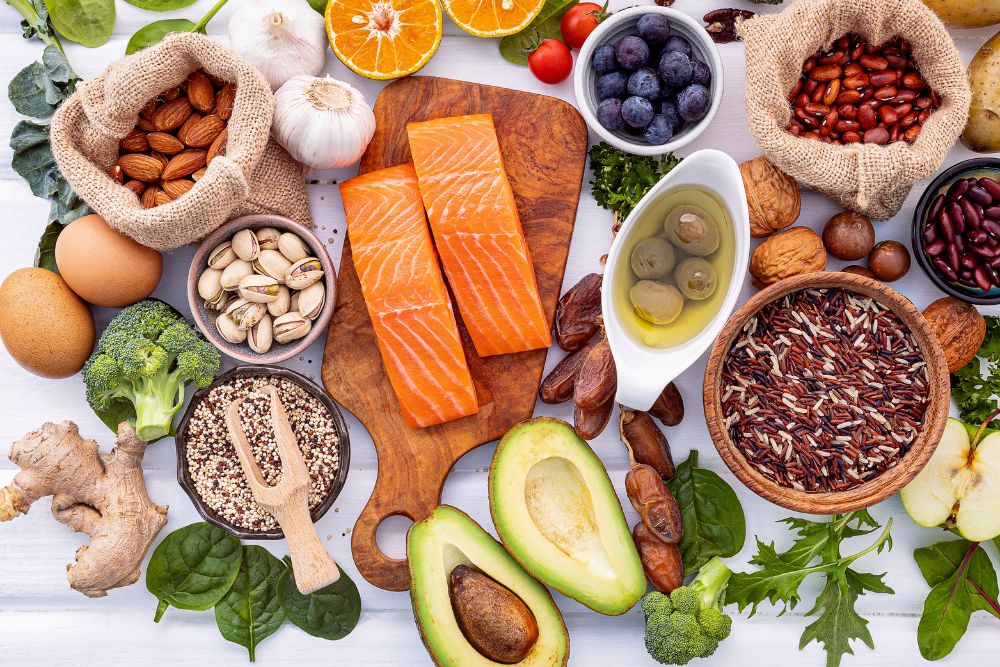
- Traditional Indian medicine advocates the inclusion of whole grains, legumes, seasonal vegetables, and bitter-tasting foods, which are believed to improve insulin sensitivity and support fat metabolism. Spices such as ginger, turmeric, black pepper, cinnamon, and fenugreek are frequently recommended for their thermogenic and digestive-enhancing properties, which may aid in regulating glucose metabolism and reducing adiposity.
- Intermittent dietary regulation, including periodic light fasting or mono-diet approaches, is also advised in some clinical contexts to reset digestive function and reduce metabolic overload. However, these practices are individualized and carefully supervised to avoid nutritional deficiency.
- Siddha dietary principles similarly emphasize the consumption of balanced meals that harmonize bodily humors, with particular attention to maintaining digestive stability and avoiding foods that generate excessive internal heat or stagnation.
Clinical observations and evidence from practitioners
Insights from focus group discussions with traditional Indian medicine clinicians indicate that dietary interventions are considered foundational in managing obesity associated with PCOS.
- Practitioners consistently highlight improved menstrual regularity, reduction in weight, and enhanced energy levels following adherence to structured dietary regimens.
- Clinicians also emphasize that dietary therapy is most effective when combined with lifestyle modifications such as yoga, physical activity, sleep regulation, and stress management, reflecting the integrative nature of traditional medical systems. This multidimensional approach addresses both metabolic dysfunction and psychosocial contributors to weight gain in PCOS.
- While observational and qualitative evidence supports the perceived effectiveness of these dietary strategies, clinicians acknowledge the need for standardized clinical trials to validate outcomes, ensure reproducibility, and integrate traditional approaches with modern nutritional science.
Conclusion
Dietary management of obesity in PCOS within traditional Indian medicine systems is rooted in a holistic understanding of metabolism, digestion, and hormonal balance. Ayurveda and Siddha emphasize individualized nutrition, enhancement of digestive function, and use of metabolically supportive foods and spices as core strategies for weight control. Clinician insights suggest that these approaches may improve metabolic and reproductive outcomes in women with PCOS. However, despite promising clinical observations, further high-quality research is required to systematically evaluate efficacy and establish evidence-based integration of these traditional dietary frameworks into contemporary PCOS management guidelines.2
References:
- Szczuko M, Kikut J, Szczuko U, et al. Nutrition Strategy and Life Style in Polycystic Ovary Syndrome-Narrative Review. Nutrients. 2021;13(7):2452. Published 2021 Jul 18. doi:10.3390/nu13072452 https://pmc.ncbi.nlm.nih.gov/articles/PMC8308732/
- Rao VS, Gupta S, Armour M, et al. Perspectives and dietary management of excess weight in polycystic ovary syndrome: A focus group study with clinicians of traditional Indian medicine. Integr Med Res. 2025;14(3):101184. doi:10.1016/j.imr.2025.101184 https://pmc.ncbi.nlm.nih.gov/articles/PMC12296491/