
Introduction
Immunity is a fundamental determinant of health, enabling the body to resist disease and maintain physiological stability. In Ayurveda, immunity is conceptualized as Bala, which refers not only to resistance against pathogens but also to overall physical strength, metabolic efficiency, and mental resilience. Among the various therapeutic approaches in Ayurveda, Panchakarma is considered one of the most effective methods for enhancing Bala by eliminating toxins, restoring doshic balance, and optimizing physiological functions.
Concept of Bala in Ayurveda
Bala is closely associated with Ojas, the vital essence responsible for strength, immunity, and vitality. Ayurveda classifies Bala into three types: Sahaja Bala (innate immunity), Kalaja Bala (seasonal and age-dependent immunity), and Yuktikrita Bala (acquired immunity through lifestyle, diet, and therapy).
Reduced Bala is often linked with accumulation of Ama (toxic metabolic byproducts), impaired Agni (digestive fire), and imbalance of Doshas, particularly Vata and Kapha. This leads to increased susceptibility to infections, fatigue, and chronic diseases.
Panchakarma: A detoxification and rejuvenation system
Panchakarma is a set of five primary detoxification procedures designed to eliminate accumulated toxins and restore physiological equilibrium. It includes Vamana (therapeutic emesis), Virechana (purgation), Basti (medicated enemas), Nasya (nasal administration), and Raktamokshana (bloodletting).
These therapies are not merely detoxification techniques but also serve as immunomodulatory interventions that enhance systemic resilience.
Mechanisms of action in enhancing immunity
Panchakarma enhances Bala through multiple physiological and biochemical pathways:
- Elimination of Ama and metabolic toxins: Accumulation of Ama is considered a major cause of reduced immunity. Panchakarma procedures help eliminate these toxins, thereby restoring metabolic balance and improving cellular function.
- Restoration of Agni (metabolic fire): By improving digestive efficiency, Panchakarma enhances nutrient assimilation and tissue nourishment (Dhatu Poshana), which is essential for the formation of Ojas.
- Dosha rebalancing: Each Panchakarma procedure targets specific doshic imbalances. For example, Virechana reduces Pitta-related inflammatory conditions, while Basti is highly effective in regulating Vata disorders, which are often associated with chronic degenerative diseases.
- Neuroendocrine and stress regulation: Emerging evidence suggests that Panchakarma therapies influence the autonomic nervous system and reduce stress-related hormonal imbalances. This contributes to improved immune regulation and psychological well-being.
- Immunomodulation and anti-inflammatory effects: Clinical studies indicate that Panchakarma may modulate cytokine levels, reduce oxidative stress, and enhance antioxidant defenses, thereby improving immune response and reducing chronic inflammation.
Clinical applications
Panchakarma is widely used in preventive and therapeutic settings for conditions such as recurrent infections, autoimmune disorders, metabolic syndrome, and chronic fatigue. It is also used as a rejuvenation therapy (Rasayana) to enhance overall vitality and slow age-related decline in immunity.
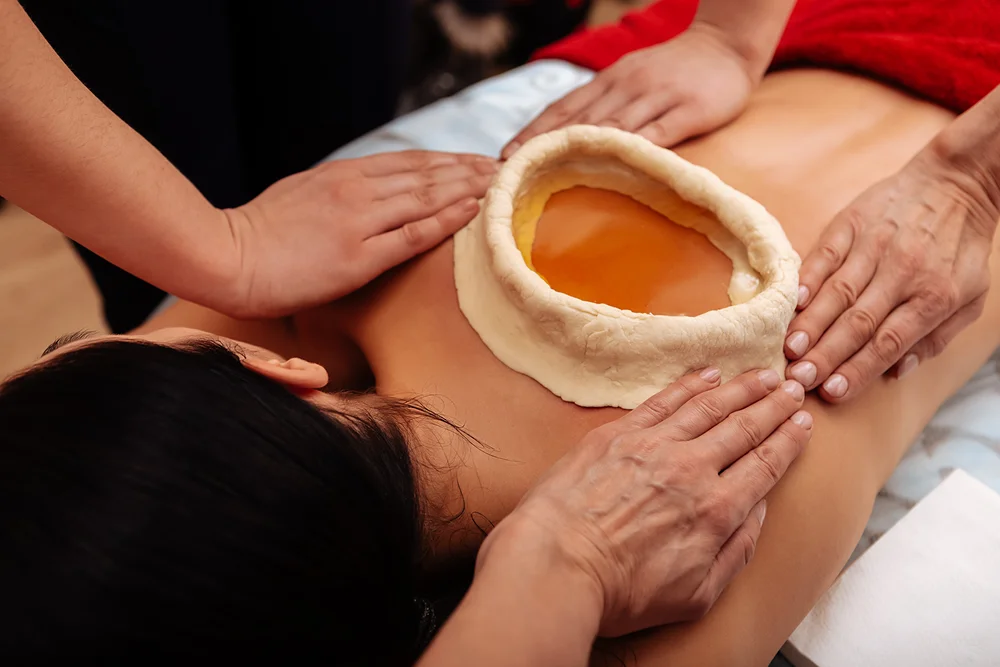
Pre-Panchakarma preparation (Purvakarma), including Snehana (oleation) and Swedana (sudation), plays a crucial role in mobilizing toxins and preparing the body for elimination therapies.
Integrative perspective
Modern research increasingly supports the role of detoxification, gut microbiota modulation, and stress reduction in immune health. Panchakarma aligns with these mechanisms by improving gut function, reducing systemic inflammation, and enhancing metabolic efficiency. Its potential impact on the gut-immune axis further strengthens its relevance in contemporary immunology.
Conclusion
Panchakarma therapies represent a comprehensive Ayurvedic approach to enhancing Bala through detoxification, metabolic restoration, and systemic rejuvenation. By eliminating Ama, balancing Doshas, and strengthening Ojas, these therapies improve both innate and acquired immunity. Integrating Panchakarma with modern preventive and therapeutic strategies may offer a holistic pathway for enhancing immune health and overall well-being.1
References:
- Ragad SS. Management of Panchakarma therapies and its role in improving Bala (immunity). J Bio Innov. 2023;12(4):720-728. doi:10.46344/JBINO.2023.v12i04.05. https://www.jbino.com/docs/Issue04_05_2023.pdf