
Introduction
Respiratory diseases such as COPD, asthma, pneumonia, pulmonary fibrosis, and lung cancer affect millions of people worldwide and can significantly impair daily functioning and quality of life. The severity of respiratory dysfunction varies according to the type and extent of pulmonary involvement. Environmental factors, including pollutants and diet, along with genetic and epigenetic influences, contribute to the increasing prevalence of inflammatory and allergic respiratory disorders. 1
Traditional role of Ocimum basilicum (Sweet basil)
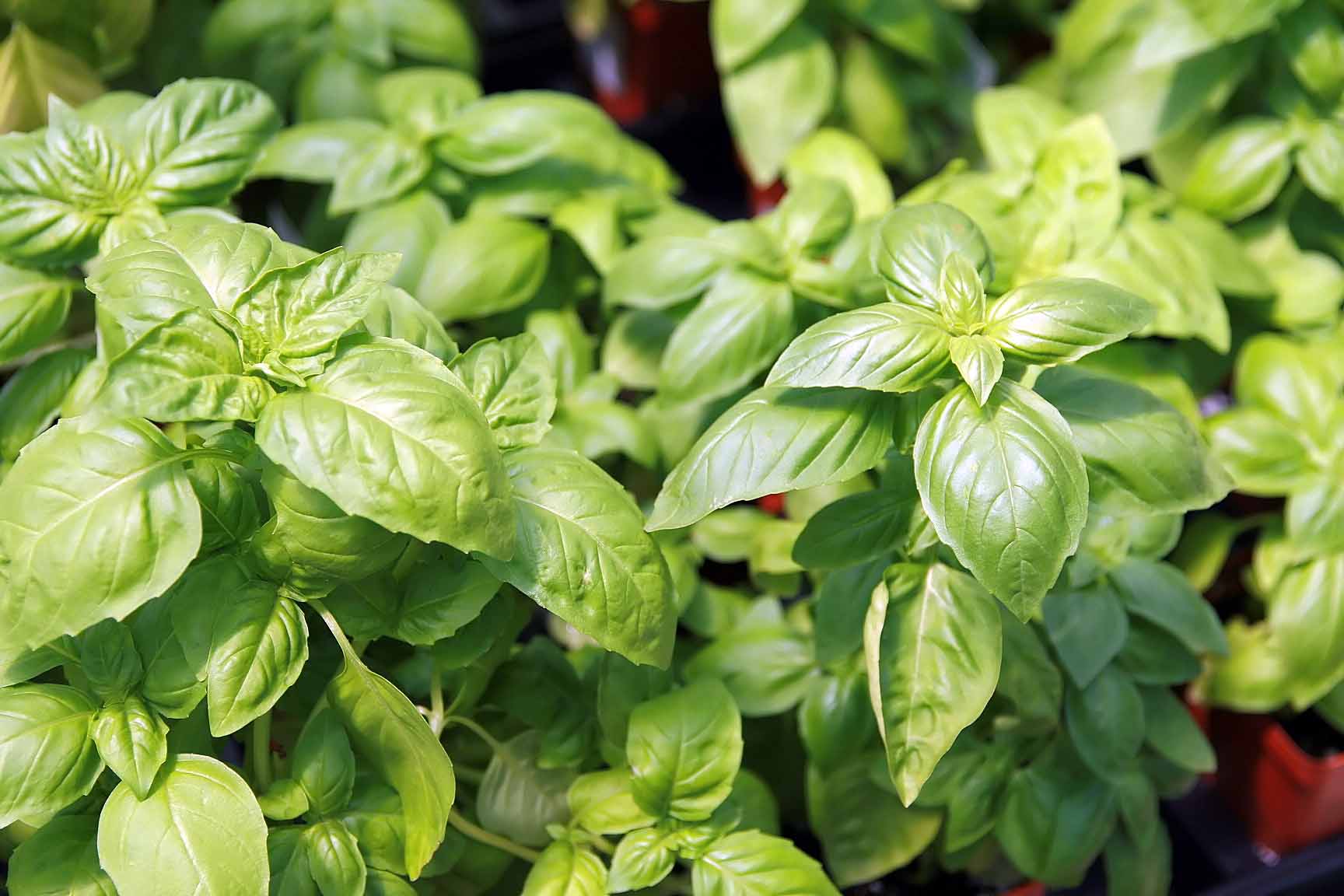
- Herbal medicines are widely used as complementary and alternative therapeutic agents in respiratory care. Ocimum basilicum (Sweet basil), a member of the Lamiaceae family, is an important medicinal plant, essential oil crop, and culinary herb.
- O. basilicum include methyl chavicol (estragole), cineole, eugenol, methyl eugenol, elemicin, myristicin, rosmarinic acid, linalool, apigenin, ursolic acid, and methyl cinnamate. These constituents are associated with antioxidant, anti-inflammatory, antimicrobial, and immunomodulatory activities that may contribute to the respiratory-supportive effects of Sweet basil.
- Traditionally, Sweet basil has been utilized across different cultures for the management of respiratory disorders and other systemic conditions. Its longstanding use highlights its significance in supporting respiratory health and addressing conditions associated with airway inflammation and respiratory discomfort.2,3
Need for additional therapeutic options
- Respiratory diseases require timely diagnosis, treatment, prevention, and monitoring. Although currently available medications help relieve symptoms and limit disease progression, complete therapeutic efficacy may not always be achieved, and adverse effects remain a concern. This has increased interest in herbal medicines as supportive therapeutic options.
- Within this context, Sweet basil continues to hold importance as a traditionally used medicinal herb for respiratory health and wellness. 4
Conclusion
Respiratory disorders remain a major global health challenge. Ocimum basilicum (Sweet basil) has a well-established traditional role in respiratory care and continues to be recognized as a valuable herbal resource in the management of respiratory conditions. Its traditional use reflects the ongoing interest in plant-based approaches for supporting respiratory health.
References:
1. Ferkol T, Schraufnagel D. The global burden of respiratory disease. Ann Am Thorac Soc. 2014;11(3):404-406. doi:10.1513/AnnalsATS.201311-405PS. https://academic.oup.com/annalsats/article-lookup/doi/10.1513/AnnalsATS.201311-405PS
2. Zar HJ, Ferkol TW. The global burden of respiratory disease-impact on child health. Pediatr Pulmonol. 2014;49(5):430-434. doi:10.1002/ppul.23030. https://onlinelibrary.wiley.com/doi/10.1002/ppul.23030
3. Balkissoon R, Lommatzsch S, Carolan B, Make B. Chronic obstructive pulmonary disease: a concise review. Med Clin North Am. 2011;95(6):1125-1141. doi:10.1016/j.mcna.2011.08.009. https://www.sciencedirect.com/science/article/abs/pii/S0025712511000940?via%3Dihub
4. Aminian AR, Mohebbati R, Boskabady MH. The Effect of Ocimum basilicum L. and Its Main Ingredients on Respiratory Disorders: An Experimental, Preclinical, and Clinical Review. Front Pharmacol. 2022;12:805391. Published 2022 Jan 3. doi:10.3389/fphar.2021.805391. https://pmc.ncbi.nlm.nih.gov/articles/PMC8762307/#s6