
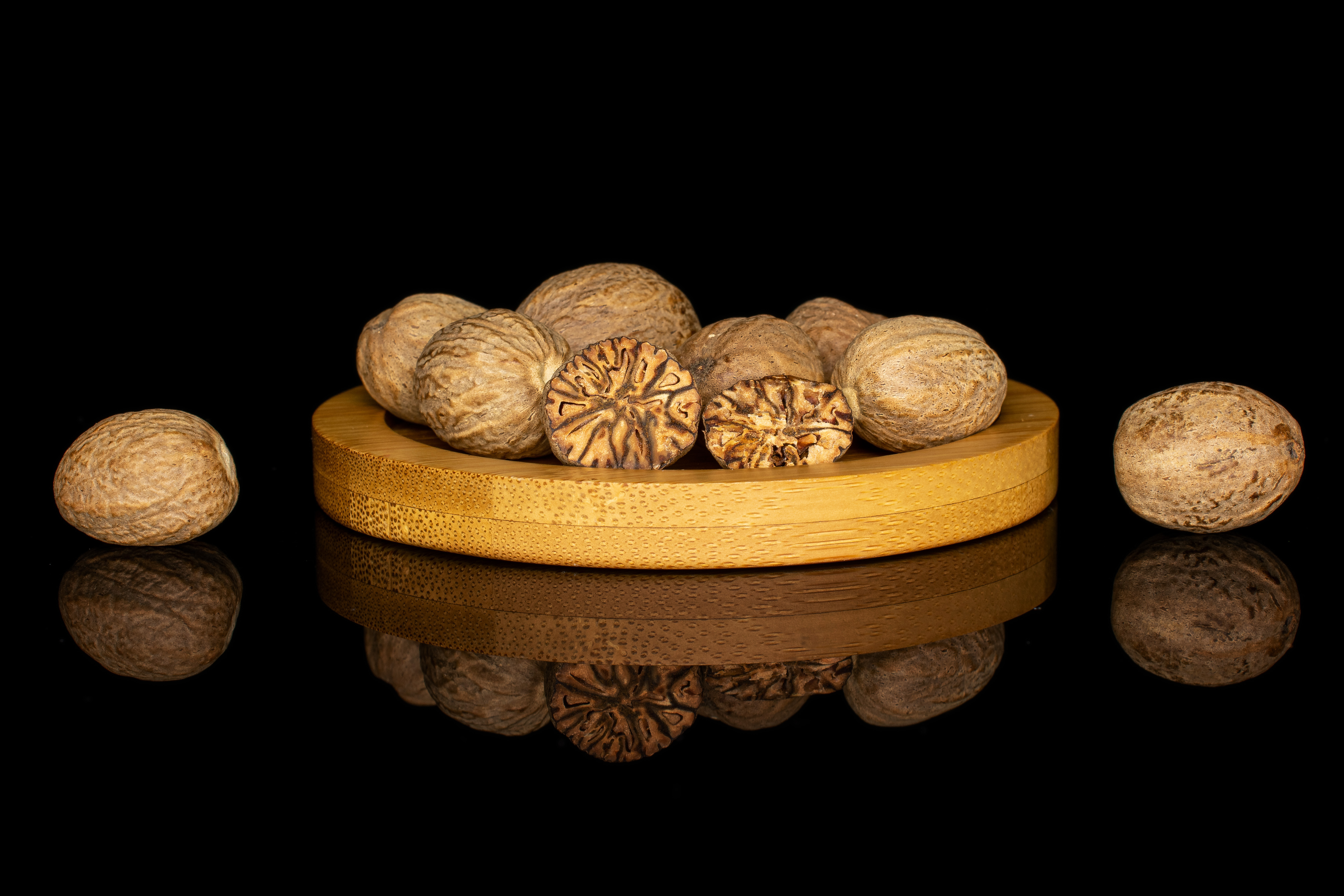
Putrajivak Beej, derived from Putranjiva roxburghii, has a traditional role in Ayurvedic approaches to reproductive health. Its use is associated with fertility in both men and women. However, traditional applications must be distinguished from demonstrated clinical outcomes, particularly when evaluating its effectiveness in treating infertility.
Traditional rationale and proposed role
In Ayurvedic practice, Putrajivak is traditionally associated with reproductive health and conception. Its historical use provides a basis for investigating its potential effects on reproductive function. These traditional indications do not, by themselves, establish improvements in conception rates or live births.
Clinical evidence and considerations
- Female fertility: Experimental research in zebrafish found that a supercritical fluid extract of Putrajivak seed oil improved selected reproductive outcomes, including mature egg numbers and conception-related measures, in a fertility-impaired model.1
- Male fertility: The same study reported improvements in sperm count and motility in male zebrafish. Separate laboratory research reported increased motility in bovine spermatozoa exposed to an ethanolic seed extract.2
- Clinical relevance: These findings are preclinical and do not establish that Putrajivak Beej improves fertility in humans. Animal models, laboratory-treated sperm, and traditional seed preparations are not equivalent to clinical treatment in people.
Myth versus evidence
|
Common claim |
Evidence-based interpretation |
|
Putrajivak Beej treats female infertility. |
Reproductive effects have been reported in animal models, but human efficacy remains unestablished. |
|
It improves male fertility. |
Laboratory findings suggest possible effects on sperm motility, but improved pregnancy or live-birth rates in humans have not been demonstrated. |
|
Traditional use proves effectiveness. |
Traditional use provides context for research but is not proof of clinical efficacy. |
Conclusion
Putrajivak Beej has a traditional association with fertility, supported by preliminary experimental findings involving reproductive parameters in animal models and sperm motility in vitro. Its effectiveness for treating male or female infertility in humans remains uncertain. Clinical assessment should identify the underlying cause of infertility and guide appropriate management.
References
- Balkrishna A, Nain P, Joshi M, Khandrika L, Varshney A. Supercritical Fluid Extract of Putranjiva roxburghii Wall. Seeds Mitigates Fertility Impairment in a Zebrafish Model. Molecules. 2021; 26(4):1020. https://doi.org/10.3390/molecules26041020. https://www.mdpi.com/1420-3049/26/4/1020
- Italiya JM, Patel MR, Golaviya AV, et al. RNA-sequencing attest increased sperm motility in bovine spermatozoa treated with ethanolic extract of Putranjiva roxburghii. 3 Biotech. 2023;13:33. doi:10.1007/s13205-022-03452-4. https://link.springer.com/article/10.1007/s13205-022-03452-4