
Introduction
Agnikarma, described by Sushruta, is widely employed in the management of chronic pain, osteoarthritis, tendinopathies, plantar fasciitis, cervical spondylosis, and other musculoskeletal disorders. The therapeutic heat generated during the procedure improves circulation, reduces pain, and stimulates healing. However, localized tissue injury produced by thermal cauterization triggers an inflammatory cascade involving cytokine release, oxidative stress, and cellular repair mechanisms.
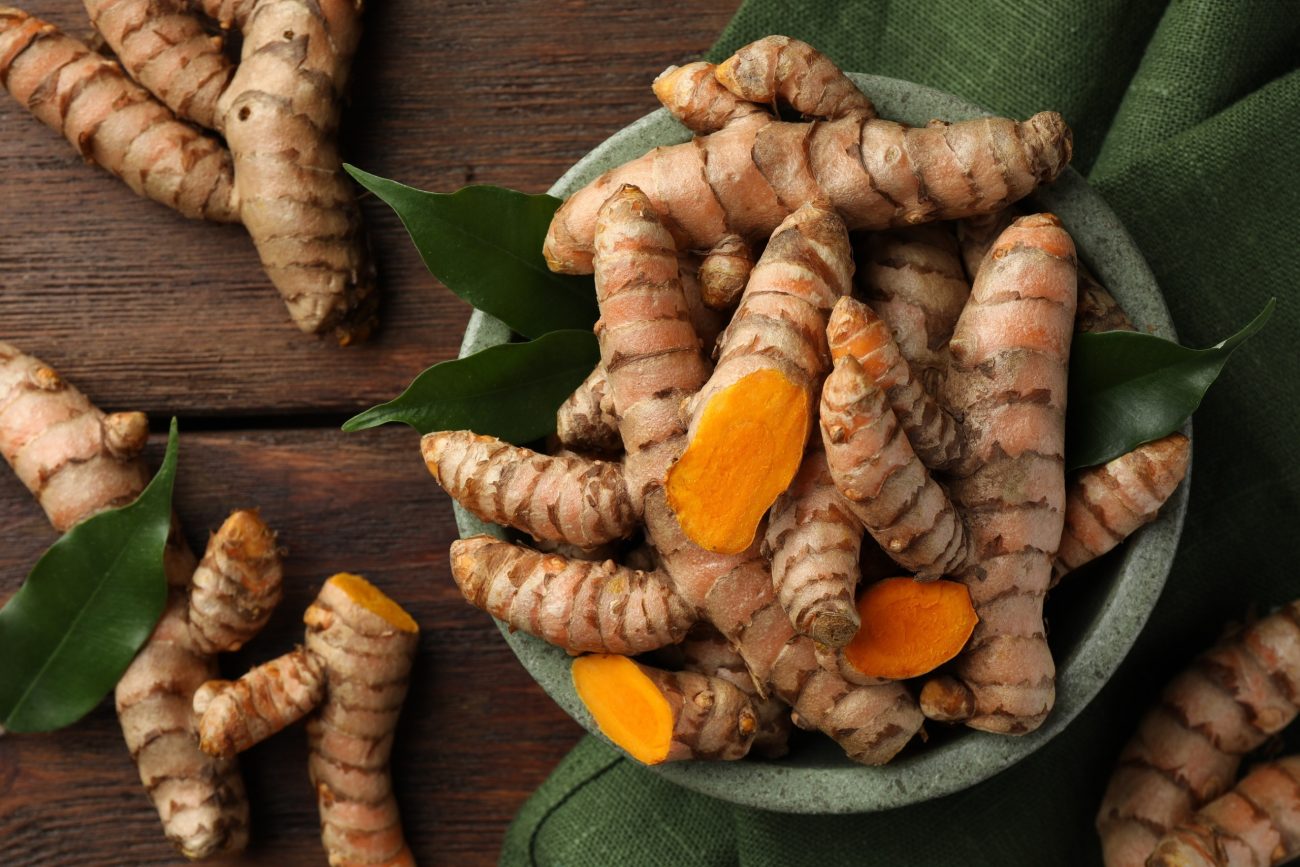
Ayurveda advocates the use of herbal agents possessing anti-inflammatory and wound-healing properties to support recovery after Agnikarma. Among these, Haridra occupies a prominent position because of its broad therapeutic spectrum and long-standing clinical use in wound care and inflammatory disorders.
Pharmacological basis of haridra
The therapeutic effects of Curcuma longa are primarily attributed to curcuminoids, particularly curcumin, along with volatile oils such as turmerone, atlantone, and zingiberene. Curcumin has been extensively investigated for its ability to modulate multiple molecular pathways involved in inflammation and tissue repair.1
Studies have shown that curcumin inhibits pro-inflammatory mediators including tumor necrosis factor-alpha (TNF-α), interleukin-1β (IL-1β), interleukin-6 (IL-6), cyclooxygenase-2 (COX-2), and nuclear factor-kappa B (NF-κB). Through these mechanisms, Haridra reduces excessive inflammatory responses while allowing normal healing processes to continue.
Role in post-agnikarma inflammation control
Inflammation is a natural component of tissue repair; however, excessive or prolonged inflammation can delay healing and increase discomfort. Haridra helps regulate this response by suppressing inflammatory cytokines and reducing local edema, erythema, and tenderness.2
Its antioxidant activity is equally important in post-Agnikarma care. Curcumin scavenges reactive oxygen species and enhances endogenous antioxidant defenses, thereby protecting tissues from oxidative damage induced by thermal injury. This action helps preserve cellular integrity and supports the transition from inflammation to tissue regeneration.
Tissue healing and regeneration
Haridra plays a significant role in wound healing through multiple mechanisms. Experimental studies have demonstrated that curcumin stimulates fibroblast proliferation, collagen synthesis, angiogenesis, and extracellular matrix remodeling. These processes contribute to granulation tissue formation and improved wound strength.
The herb also possesses antimicrobial activity against a variety of bacterial and fungal pathogens, reducing the risk of secondary infection at the treatment site. By maintaining a favorable healing environment, Haridra facilitates faster tissue repair and minimizes complications.3 From an Ayurvedic perspective, Haridra promotes Vrana Shodhana (wound cleansing) and Vrana Ropana (wound healing), making it particularly suitable for post-procedural care following Agnikarma.
Clinical applications
Haridra is commonly utilized after Agnikarma in the management of:
- Osteoarthritis (Sandhivata)
- Cervical and lumbar spondylosis
- Plantar fasciitis
- Frozen shoulder (Avabahuka)
- Tendinopathies
- Chronic musculoskeletal pain syndromes
Topical formulations, medicated oils, herbal pastes, and oral preparations containing Haridra are frequently employed to support healing and reduce inflammation.
Conclusion
Haridra (Curcuma longa) is a valuable medicinal herb for post-Agnikarma care due to its potent anti-inflammatory, antioxidant, antimicrobial, and wound-healing properties. Through modulation of inflammatory pathways, reduction of oxidative stress, and stimulation of tissue regeneration, Haridra supports optimal recovery following therapeutic thermal procedures. Its integration into post-Agnikarma management represents a scientifically supported and traditionally validated strategy for enhancing tissue healing and improving clinical outcomes.
Reference:
- Hewlings SJ, Kalman DS. Curcumin: A Review of Its Effects on Human Health. Foods. 2017;6(10):92. Published 2017 Oct 22. doi:10.3390/foods6100092 https://pmc.ncbi.nlm.nih.gov/articles/PMC5664031/
- Gupta SC, Patchva S, Aggarwal BB. Therapeutic roles of curcumin: lessons learned from clinical trials. AAPS J. 2013;15(1):195-218. doi:10.1208/s12248-012-9432-8 https://pmc.ncbi.nlm.nih.gov/articles/PMC3535097/
- Akbik D, Ghadiri M, Chrzanowski W, Rohanizadeh R. Curcumin as a wound healing agent. Life Sci. 2014 Oct 22;116(1):1-7. doi: 10.1016/j.lfs.2014.08.016. Epub 2014 Sep 6. PMID: 25200875. https://pubmed.ncbi.nlm.nih.gov/25200875/