
Introduction
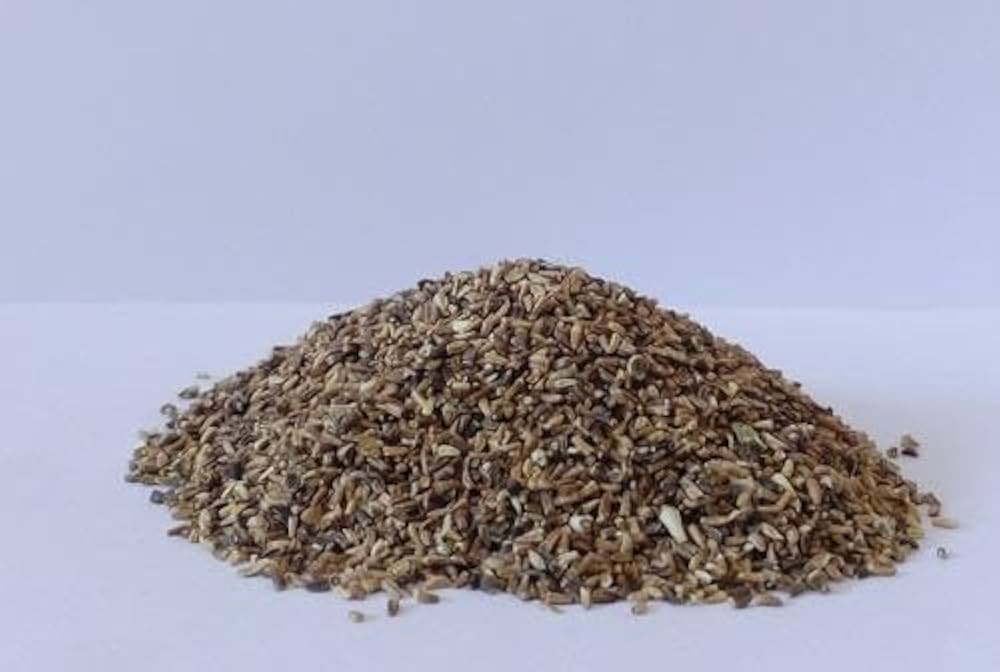
Loss of appetite (aruchi or anorexia-like symptoms in clinical terms) is a common manifestation in gastrointestinal, hepatic, metabolic, and chronic inflammatory disorders. It significantly affects nutritional status, recovery, and overall quality of life. In traditional medicine systems such as Ayurveda, restoration of appetite is considered a key therapeutic goal, as digestion (Agni) is viewed as the foundation of health. Among various herbal agents used for digestive stimulation, Kasani beej (seeds of Cichorium intybus, chicory) is widely recognized for its appetite-enhancing and hepatodigestive properties. Modern phytopharmacological studies also support its role in improving digestive secretions, bile flow, and gastrointestinal function, thereby contributing to its appetizer effect.1
Phytochemical composition and digestive relevance
Kasani beej contains a diverse range of bioactive constituents, including sesquiterpene lactones, flavonoids, coumarins, phenolic acids, tannins, and inulin-type polysaccharides. These compounds collectively contribute to its bitter tonic and digestive stimulant properties. The characteristic bitterness of chicory seeds is primarily due to sesquiterpene lactones, which are known to stimulate gustatory receptors and initiate cephalic phase digestive responses.
Inulin, a major soluble fiber in Kasani, plays an important role in modulating gut microbiota, enhancing short-chain fatty acid production, and improving intestinal health. This gut-level metabolic support indirectly contributes to improved appetite and nutrient assimilation.
Mechanisms underlying appetizer action
The appetite-stimulating effect of Kasani beej is mediated through multiple physiological mechanisms:
- Bitter principle–induced digestive stimulation: Bitter phytochemicals in Kasani seeds activate taste receptors in the oral cavity, triggering reflex stimulation of salivary glands, gastric secretions, and pancreatic enzyme release. This enhances early phases of digestion and prepares the gastrointestinal tract for food intake.
- Hepatobiliary activation and bile flow enhancement: Kasani is traditionally considered a hepatoprotective and cholagogue agent. It promotes bile secretion and excretion, which is essential for lipid digestion and fat absorption. Improved bile flow reduces dyspeptic symptoms such as bloating, nausea, and heaviness, thereby indirectly restoring appetite.
- Modulation of gastrointestinal motility: Studies suggest that chicory extracts may regulate smooth muscle activity in the gastrointestinal tract, improving gastric emptying and intestinal transit. This helps relieve functional dyspepsia and contributes to a physiological sense of hunger.
- Anti-inflammatory and mucosal protective effects: Chronic gastrointestinal inflammation is a known cause of anorexia. Kasani’s flavonoids and phenolic compounds exert anti-inflammatory effects by modulating cytokines and oxidative stress pathways, thereby improving mucosal integrity and digestive comfort.
- Gut microbiota regulation: Inulin acts as a prebiotic fiber, promoting beneficial bacterial growth such as Bifidobacteria and Lactobacilli. A balanced gut microbiome plays a crucial role in appetite regulation through gut–brain axis signaling, including the release of satiety and hunger hormones.
Clinical and traditional perspectives
In traditional Ayurvedic practice, Kasani beej is often used in formulations aimed at treating hepatic disorders, indigestion, and anorexia. It is believed to enhance Agni (digestive fire), reduce Ama (metabolic toxins), and restore normal digestive rhythm. Clinically, patients with dyspepsia, post-illness weakness, and liver dysfunction often report improved appetite and digestive comfort following its use.
Preclinical studies on chicory extracts have demonstrated improved digestive enzyme activity, hepatobiliary function, and antioxidant status, all of which support its role as a natural appetizer. However, variability in extraction methods and dosage standardization remains a challenge in translating these findings into consistent clinical outcomes.
Safety profile
Kasani beej is generally considered safe when used in appropriate doses. Mild gastrointestinal discomfort may occur in sensitive individuals. Due to its bioactive potency, caution is advised in patients with gallstone disease or severe biliary obstruction without medical supervision.
Conclusion
Kasani beej (Cichorium intybus seeds) exhibits a significant appetizer effect through its bitter phytoconstituents, hepatobiliary stimulation, gastrointestinal modulation, and gut microbiota regulation. By enhancing digestive secretions and improving metabolic efficiency, it helps restore appetite and digestive balance. While traditional and experimental evidence supports its efficacy, further clinical studies are required to standardize its use and fully validate its role as a natural appetite stimulant in modern therapeutics.2
References:
- Street RA, Sidana J, Prinsloo G. Cichorium intybus: Traditional Uses, Phytochemistry, Pharmacology, and Toxicology. Evid Based Complement Alternat Med. 2013;2013:579319. doi:10.1155/2013/579319 https://pmc.ncbi.nlm.nih.gov/articles/PMC3860133/
- Choudhary S, Kaurav H, Chaudhary G. Kasani beej (Cichorium intybus): Ayurvedic view, folk view, phytochemistry and modern therapeutic uses. Seeds. 2021 Mar 25;29:30. https://www.researchgate.net/publication/350798772_Kasani_beej_Cichorium_intybus_Ayurvedic_View_Folk_View_Phytochemistry_and_Modern_Therapeutic_Uses