
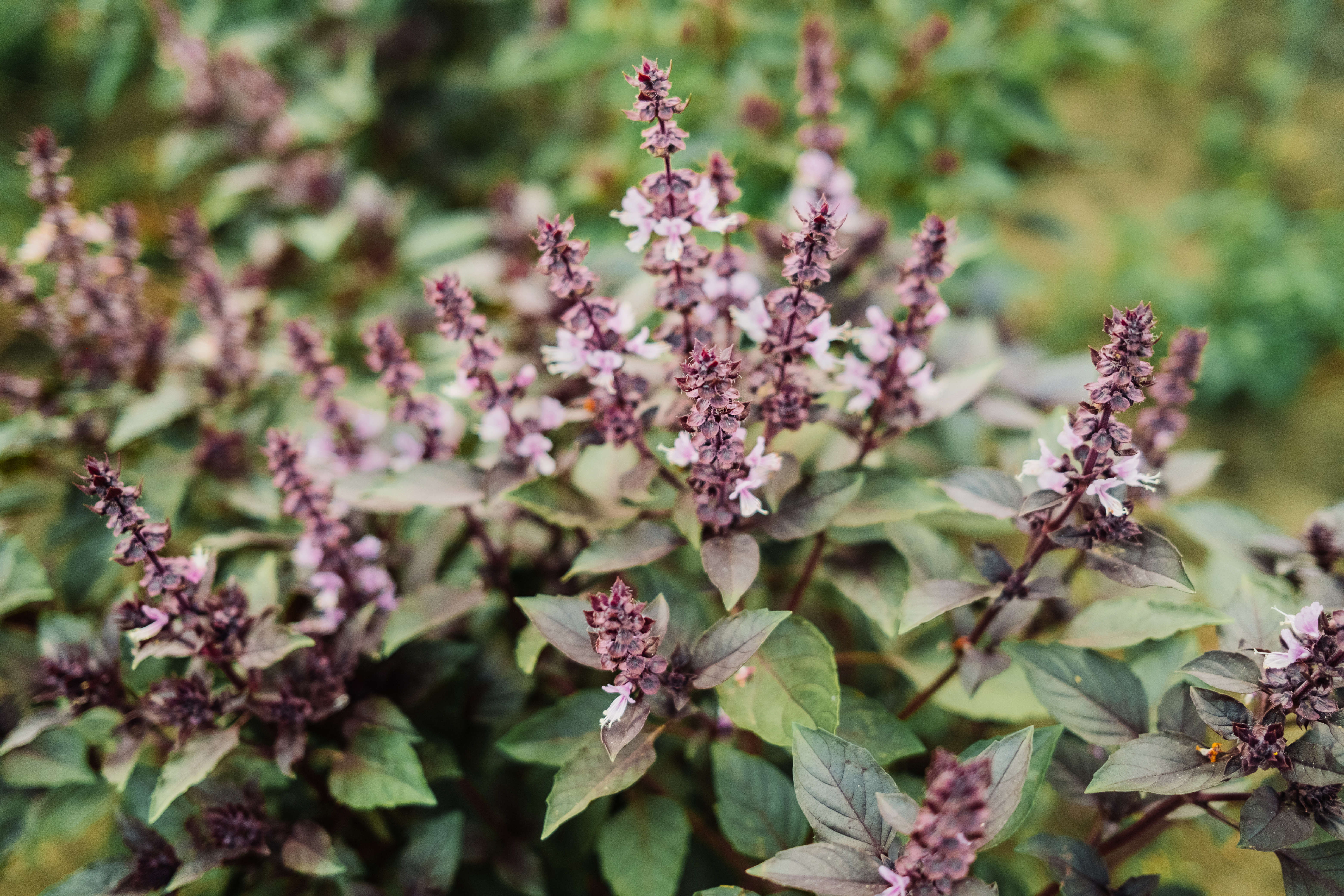
Tulsi (Ocimum tenuiflorum, syn. Ocimum sanctum), commonly known as holy basil, is an aromatic medicinal plant widely cultivated for its cultural, culinary, and therapeutic significance. It has been used extensively in Ayurveda for its purported adaptogenic, anti-inflammatory, antioxidant, antimicrobial, and immunomodulatory properties. Traditionally consumed as fresh leaves, decoctions, or herbal tea, tulsi has attracted scientific interest because of its potential to influence physiological responses to physical, psychological, chemical, and metabolic stress.
Its pharmacological activities have been associated with several bioactive constituents, including eugenol, rosmarinic acid, flavonoids, and β-caryophyllene. Experimental studies have investigated its protective effects against oxidative damage, inflammatory responses, metabolic disturbances, and selected infections. Although these findings support further investigation of tulsi as a complementary approach to health maintenance, its therapeutic efficacy and safety require validation through well-designed clinical studies.
Phytochemical composition and pharmacological properties
The diverse biological activities of tulsi have been attributed to its complex phytochemical composition. Eugenol, rosmarinic acid, and flavonoids have been investigated for antioxidant and anti-inflammatory effects, while other volatile constituents have demonstrated potential antimicrobial or stress-modulating activities.
|
Bioactive constituent or group |
Potential pharmacological activity |
|
Eugenol |
Antioxidant and anti-inflammatory effects; investigated for metabolic benefits |
|
Rosmarinic acid |
Antioxidant and anti-inflammatory properties |
|
β-Caryophyllene |
Investigated for anti-inflammatory and stress-modulating effects |
|
Carvacrol and other terpenes |
Potential antibacterial activity |
|
Flavonoids and other phenolic compounds |
Free-radical scavenging and protection against oxidative stress |
These compounds may act through complementary mechanisms, including modulation of inflammatory mediators, enhancement of endogenous antioxidant defences, and regulation of stress-associated physiological pathways. However, their concentrations vary with the plant variety, growing conditions, and preparation method.
Diverse health benefits of tulsi
Antioxidant and detoxification potential:
- Oxidative stress contributes to cellular injury through the accumulation of reactive oxygen species (ROS), which can damage lipids, proteins, and DNA. Tulsi extracts have demonstrated antioxidant activity in experimental studies, potentially through free-radical scavenging and enhancement of endogenous antioxidant defences.
- In experimental models, tulsi administration has been associated with increased glutathione levels and catalase activity, which may help limit oxidative damage. Protective effects against toxicant-induced hepatic, renal, and neurological injury have also been investigated following exposure to selected pesticides, heavy metals, and industrial chemicals.
- Modulation of hepatic detoxification enzymes has been proposed as another mechanism. However, these findings do not establish tulsi as a clinically proven detoxification treatment.
Metabolic health and glycaemic regulation:
- Tulsi has been investigated for its potential role in metabolic disorders, particularly diabetes and dyslipidaemia. Experimental studies have reported reductions in blood glucose levels and improvements in selected metabolic parameters. Proposed mechanisms include enhanced insulin secretion or action, reduced oxidative stress, and modulation of inflammation.
- These findings suggest potential metabolic benefits, but the magnitude and clinical relevance of these effects remain uncertain. Tulsi should not replace prescribed antidiabetic medication or established lifestyle interventions.
Stress adaptation and cognitive health:
- As an adaptogenic herb in traditional Ayurvedic practice, tulsi has been investigated for its ability to support physiological responses to stress.
- Preliminary human research has also explored its potential to alleviate perceived stress, anxiety, and depressive symptoms and support cognitive function.
Respiratory health and immune modulation:
- Tulsi leaves have traditionally been used to alleviate cough, common cold symptoms, and respiratory discomfort. Anti-inflammatory and antimicrobial activities have been investigated as possible contributors to these effects. Experimental findings have also suggested modulation of immune responses, including changes in inflammatory mediators and antioxidant status.
- However, claims that tulsi prevents or cures influenza, malaria, dengue, or severe acute respiratory syndrome (SARS) have not been established by adequate clinical evidence. Persistent fever, breathing difficulties, or suspected infections require appropriate medical evaluation and treatment.
Antimicrobial activity and wound healing:
- Tulsi extracts and essential oils have demonstrated antibacterial, antifungal, and antiviral activity in select studies. Their potential applications in topical formulations, food preservation, and infection-control research have consequently been investigated.
- Experimental studies have also suggested improvements in wound healing and wound tensile strength, potentially through combined antioxidant, anti-inflammatory, and analgesic effects.
Conclusion
Tulsi is a pharmacologically promising medicinal plant whose bioactive constituents have been investigated for antioxidant, anti-inflammatory, antimicrobial, immunomodulatory, and stress-modulating effects. Its potential applications in metabolic health, respiratory symptom relief, and protection against oxidative injury warrant further investigation. However, standardised preparations, appropriate safety assessments, and robust clinical trials are needed before therapeutic recommendations can be made. Tulsi may complement healthy lifestyle practices, but it should not replace evidence-based medical care.1,2
References:
- Ahmad A, Iqbal T. Multifaceted benefits of basil (Ocimum spp.): agriculture, culinary, and medicinal uses. Int. J. Agric. Dev. 2025;1(6):1-9. https://www.allagriculturejournal.com/assets/storage/articles/full_article_file_multifaceted-benefits-of-basil-ocimum-spp-agriculture-culinary-and-medicinal-uses1.pdf
- Sengupta P. A review on Tulsi: from mythological significance to potential medicinal application. Front Multidiscip Res Stud. 2024;1(1):103. doi:10.31531/fmrs.1000103 https://www.researchgate.net/profile/Mohammed-Jahangir/publication/393643585_A_review_on_Tulsi_from_mythological_significance_to_potential_medicinal_application/links/687322cf3c12dc437a3e8167/A-review-on-Tulsi-from-mythological-significance-to-potential-medicinal-application.pdf