Heavy menstrual bleeding (HMB) is a common gynaecological concern characterized by excessive menstrual blood loss that interferes with a woman's physical, emotional, social, or daily activities. It may occur due to uterine fibroids, adenomyosis, ovulatory dysfunction, endometrial abnormalities, or coagulation disorders. Persistent heavy bleeding can lead to iron deficiency and anaemia, making timely assessment and appropriate management essential.
Ashoka (Saraca asoca), a medicinal tree traditionally used in Ayurveda, has a long history of application in women's reproductive health. Its bark is particularly valued in classical Ayurvedic practice for managing excessive uterine bleeding and menstrual disorders. Traditionally classified as a Stambhana (haemostatic) and Garbhashaya-balya (uterine-supportive) herb, Ashoka is used in formulations intended to support menstrual health. However, its clinical effectiveness in heavy menstrual bleeding requires further evaluation through well-designed human studies.1
Botanical profile and active constituents
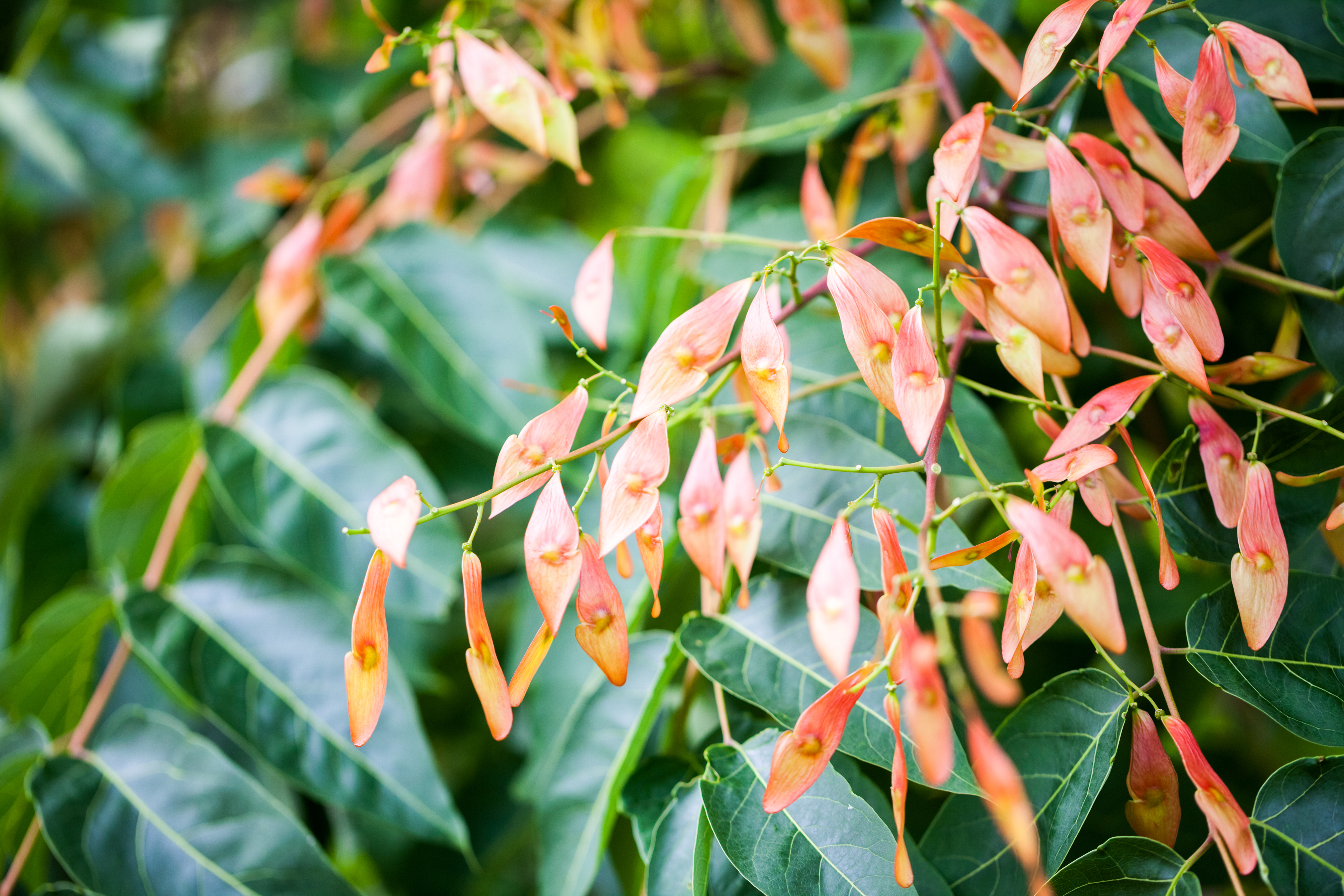
Ashoka belongs to the family Fabaceae and is widely recognized in traditional Indian medicine for its applications in gynaecological health. The stem bark is the principal medicinal part used in many Ayurvedic preparations.
Its reported phytochemical constituents include:
- Tannins: Associated with astringent properties that may contribute to its traditional use in bleeding disorders
- Flavonoids: Studied for their antioxidant and anti-inflammatory activities
- Glycosides: Part of the plant's diverse phytochemical profile
- Saponins: Investigated for various biological activities
These compounds provide a basis for pharmacological investigation, but their presence alone does not establish that Ashoka can reliably control heavy menstrual bleeding in humans.2
Traditional role in heavy menstrual bleeding
In Ayurveda, heavy menstrual bleeding is commonly discussed under Asrigdara or Raktapradara, conditions characterized by excessive or prolonged menstrual blood loss. Traditional management focuses on restoring balance in the processes associated with menstrual flow and supporting reproductive health.
Ashoka is traditionally used for:
- Management of excessive menstrual bleeding: Its astringent and haemostatic properties are cited as the basis for its traditional use3
- Support for menstrual health: It is included in Ayurvedic formulations intended to address menstrual irregularities
- Relief of associated discomfort: Some traditional formulations containing Ashoka are used for menstrual pain and related symptoms, although the specific contribution of Ashoka requires further investigation
- Uterine support: Ashoka is traditionally described as a uterine-supportive herb in Ayurvedic gynaecological practice
These applications reflect traditional use rather than established efficacy for every cause of HMB.
Clinical assessment and management considerations
Before considering any complementary treatment, clinicians should identify the cause and severity of excessive menstrual bleeding.
Important steps include:
- History and examination: Assess bleeding duration, menstrual pattern, associated pain, medication use and relevant medical history
- Laboratory evaluation: A complete blood count is recommended for women presenting with HMB; additional tests, including assessment for iron deficiency or a bleeding disorder, depend on the clinical history
- Investigation of underlying causes: Ultrasound or other investigations may be indicated when symptoms or examination suggest structural uterine disease or another underlying pathology
- Evidence-based treatment: Depending on the cause, patient preferences and contraindications, treatment options may include tranexamic acid, non-steroidal anti-inflammatory drugs, hormonal therapies or a levonorgestrel-releasing intrauterine system
Ashoka preparations should be selected with qualified professional advice, particularly because product composition, quality and safety data may vary. Use during pregnancy or alongside other medicines should be discussed with a healthcare professional. Severe bleeding accompanied by faintness, marked weakness, breathlessness or severe pain requires prompt medical assessment.
Conclusion
Ashoka (Saraca asoca) has an established place in traditional Ayurvedic practice for menstrual disorders, including excessive uterine bleeding. Its phytochemical constituents and preliminary experimental findings suggest possible astringent and anti-inflammatory effects, while emerging research on multi-herb formulations offers preliminary clinical observations. Nevertheless, the independent efficacy, optimal dosage and long-term safety of Ashoka for heavy menstrual bleeding remain insufficiently established. Clinical assessment, investigation of underlying causes and evidence-based treatment remain essential, with Ashoka considered only as a complementary option when appropriate.
Reference:
- Dhiman K, Prajapati PK, Gopal D, Gautam A, Singal R. Efficacy and safety of an Ayurvedic Menohelp syrup in the management of heavy menstrual bleeding (menorrhagia): an open-label clinical study. Drugs Context. 2026;15:2026-3-1. Published 2026 Sep 3. doi:10.7573/dic.2026-3-1 https://pmc.ncbi.nlm.nih.gov/articles/PMC13574237/
- Salvi, S., Varghese, Ryan ., Digholkar, G. ., Deshpande, A. ., Malvankar, C., Pawar, A. . and Kumar, D. (2022) “Saraca asoca: A scoping review on the phytoconstituents, bioactives and their therapeutic effects”, German Journal of Pharmaceuticals and Biomaterials, 1(3), pp. 3–13. doi: 10.5530/gjpb.2022.3.11. https://www.gjpb.de/index.php/gjpb/article/view/42/16
- R, Noorul & K.S, Supriya. (2026). Vaazhai Vadagam in the Management of Perumbadu (Menorrhagia) - Systematic Drug Review. International Journal of Ayurveda and Pharma Research. 130-139. 10.47070/ijapr.v14i3.4064. https://www.researchgate.net/publication/40359818