
Introduction
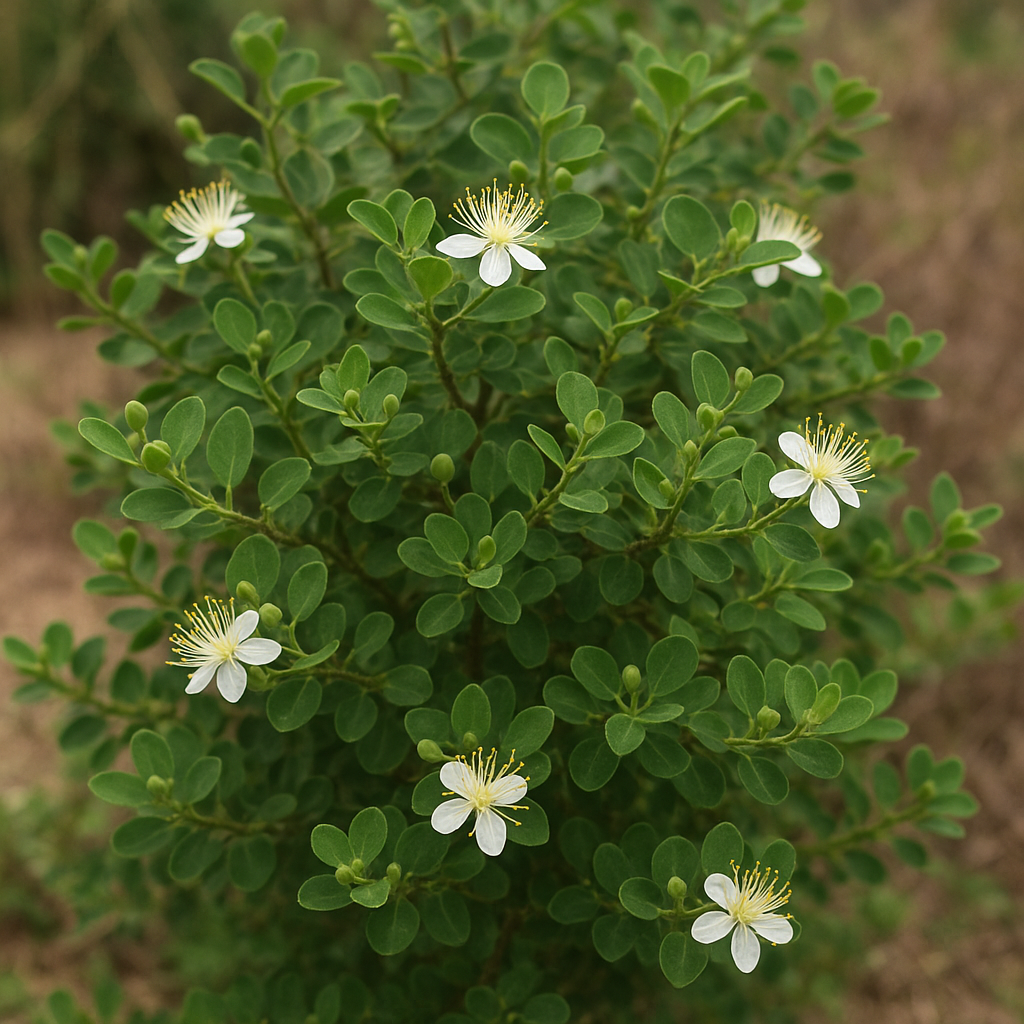
Liver diseases represent a major global health burden, ranging from metabolic-associated fatty liver disease and alcoholic liver injury to drug-induced hepatotoxicity and chronic inflammatory liver disorders. The liver plays a central role in detoxification, metabolism, and homeostasis, making it highly susceptible to oxidative stress, inflammatory damage, and xenobiotic injury. Conventional pharmacological therapies are often limited by incomplete efficacy and potential adverse effects, driving increasing interest in plant-based hepatoprotective agents. Among traditional medicinal herbs, Himsra (Capparis spinosa, caper bush) and Kasani (Cichorium intybus, chicory) have gained attention for their liver-protective, antioxidant, and detoxifying properties, particularly within traditional Indian medical systems.
Phytochemical profile and active constituents
The hepatoprotective effects of Himsra and Kasani are largely attributed to their rich phytochemical composition.
- Himsra (Capparis spinosa) contains flavonoids such as quercetin and kaempferol, alkaloids, glucosinolates, and phenolic compounds, which contribute to its strong antioxidant and anti-inflammatory activity. These constituents help neutralize reactive oxygen species (ROS) and protect hepatocytes from oxidative injury.
- Kasani (Cichorium intybus) is rich in sesquiterpene lactones, inulin, flavonoids, coumarins, and polyphenolic acids. Inulin, a prebiotic fiber, supports gut–liver axis health, while sesquiterpene lactones and flavonoids exhibit anti-inflammatory and hepatoprotective actions. Together, these bioactive compounds contribute to liver detoxification and regeneration processes.
Mechanisms of hepatoprotection
The hepatoprotective activity of Himsra and Kasani is mediated through multiple interrelated mechanisms:
- Antioxidant defense and free radical scavenging: Both herbs enhance endogenous antioxidant enzyme systems such as superoxide dismutase (SOD), catalase (CAT), and glutathione peroxidase. By reducing lipid peroxidation and oxidative stress, they prevent hepatocyte membrane damage and mitochondrial dysfunction.
- Anti-inflammatory effects: Inflammation plays a key role in liver injury progression. Himsra and Kasani inhibit pro-inflammatory mediators such as tumor necrosis factor-alpha (TNF-α), interleukin-6 (IL-6), and nuclear factor-kappa B (NF-κB) signaling pathways, thereby reducing hepatic inflammation and preventing fibrosis progression.
- Modulation of liver enzymes: These herbs help normalize elevated serum liver enzymes such as alanine aminotransferase (ALT), aspartate aminotransferase (AST), and alkaline phosphatase (ALP), which are biomarkers of hepatocellular injury. This reflects improved hepatocyte integrity and functional recovery.
- Detoxification and metabolic regulation: Kasani, particularly due to its inulin content, supports gut microbiota balance and reduces endotoxin load reaching the liver via the portal circulation. This gut–liver axis modulation plays an important role in reducing metabolic stress and hepatic inflammation. Himsra also supports bile secretion, aiding in fat digestion and toxin elimination.
- Hepatocyte regeneration: Experimental studies suggest that both herbs promote hepatocyte regeneration by enhancing protein synthesis and cellular repair mechanisms, contributing to structural restoration of damaged liver tissue.
Clinical and experimental evidence
Preclinical studies have demonstrated that extracts of Himsra and Kasani significantly reduce chemically induced liver damage in animal models, particularly in carbon tetrachloride (CCl₄) and Paracetamol-induced hepatotoxicity. Improvements in histopathological architecture, reduced necrosis, and decreased inflammatory infiltration have been consistently observed. Clinical use in polyherbal formulations has also shown improvements in liver function tests among patients with fatty liver disease and other hepatic dysfunctions, although large-scale randomized controlled trials remain limited.
Safety and tolerability
Both Himsra and Kasani are generally well tolerated, with minimal reported adverse effects. However, standardization of extracts, dosage optimization, and long-term safety data are still areas requiring further research to ensure consistent therapeutic outcomes.
Conclusion
Himsra (Capparis spinosa) and Kasani (Cichorium intybus) demonstrate significant hepatoprotective potential through antioxidant, anti-inflammatory, detoxifying, and regenerative mechanisms. Their complementary phytochemical profiles support liver health by targeting multiple pathways involved in hepatic injury and repair. While existing evidence is promising, further well-designed clinical trials are needed to validate their efficacy and integrate these traditional herbs into evidence-based hepatology practice.1
References:
- Poudel A, Alam K, Palaian S, Ibrahim MI. Herbal Fixed Dose Combinations in Nepal: Growing Concerns in a Developing Country. J Clin Diagn Res. 2016;10(10):FM01-FM03. doi:10.7860/JCDR/2016/20519.8686 https://pmc.ncbi.nlm.nih.gov/articles/PMC5121690/