
Introduction
Wound healing is a complex biological process involving inflammation, proliferation, and tissue remodeling. Delayed healing can result from infection, oxidative stress, diabetes, and impaired vascularization. Ayurveda recognizes wounds (Vrana) as a significant clinical entity and recommends several herbal therapies for wound cleansing and healing. Among them, Kumari (Aloe vera) occupies a prominent place due to its cooling, soothing, and regenerative properties.1
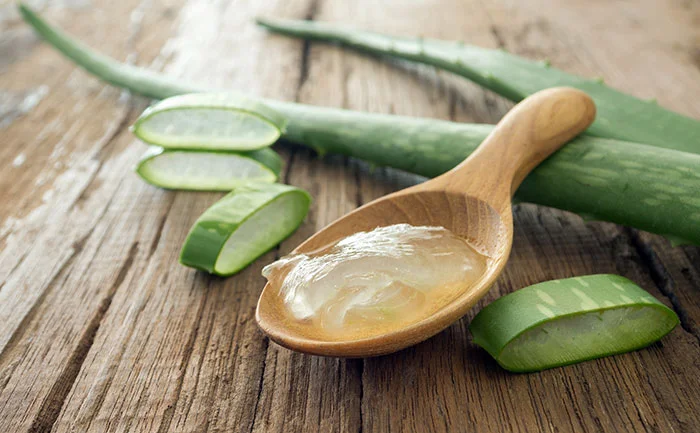
The mucilaginous gel obtained from Aloe vera leaves has been traditionally applied to burns, traumatic wounds, ulcers, and inflammatory skin conditions. Contemporary research has demonstrated that Aloe vera contains more than 75 biologically active compounds, including polysaccharides, vitamins, minerals, amino acids, and phenolic constituents that contribute to tissue repair and skin regeneration.2
Ayurvedic perspective of kumari in wound management
According to Ayurvedic principles, Kumari possesses:
- Madhura and Tikta Rasa (sweet and bitter taste)
- Sheeta Virya (cool potency)
- Vrana Ropana (wound-healing action)
- Shothahara (anti-inflammatory action)
- Dahahara (burn-relieving effect)
- Raktaprasadana (blood-purifying property)
These attributes make Kumari useful in managing burns, traumatic wounds, chronic ulcers, postoperative wounds, and inflammatory skin lesions. Traditionally, fresh gel is applied externally to promote healing and reduce pain and burning sensations.
Molecular mechanisms of wound healing
Stimulation of fibroblast proliferation:
One of the primary mechanisms of Aloe vera involves stimulation of fibroblast activity. Glucomannan and mannose-rich polysaccharides interact with growth factor receptors on fibroblasts, enhancing their proliferation and increasing collagen production. This promotes formation of granulation tissue and accelerates wound closure.3
Enhancement of collagen synthesis:
Acemannan, the major polysaccharide of Aloe vera gel, promotes collagen deposition and improves collagen cross-linking. Increased hydroxyproline production contributes to stronger extracellular matrix formation and improved tensile strength of healing tissue.
Anti-inflammatory activity:
Excessive inflammation delays wound healing. Aloe vera suppresses inflammatory mediators and reduces tissue edema. The plant's phytochemicals help regulate cytokine activity, allowing the wound to progress efficiently from the inflammatory phase to the proliferative phase.
Antioxidant effects:
Reactive oxygen species generated during tissue injury contribute to cellular damage. Aloe vera contains antioxidant vitamins, polyphenols, and enzymes that neutralize free radicals and protect regenerating tissues from oxidative stress.4
Angiogenesis and tissue remodeling:
Experimental studies suggest that Aloe vera promotes neovascularization and tissue remodeling through modulation of growth factors, including transforming growth factor-beta (TGF-β)-related pathways. These actions improve oxygen and nutrient supply to the wound bed, facilitating regeneration.
Antimicrobial activity:
Aloe vera exhibits antibacterial and antifungal activities that help reduce wound contamination and lower the risk of secondary infection. This property is particularly valuable in chronic and diabetic wounds where microbial colonization impairs healing.
Future perspectives
Advances in biomaterials have led to the development of Aloe vera-loaded hydrogels, nanofibers, and bioactive wound dressings. These formulations enhance bioavailability of active constituents and provide sustained release at the wound site. Such innovations may strengthen the integration of Ayurvedic botanicals into evidence-based wound management.
Conclusion
Aloe vera (Kumari) represents a remarkable example of convergence between traditional Ayurvedic wisdom and modern biomedical science. Its wound-healing activity is mediated through multiple mechanisms, including stimulation of fibroblast proliferation, enhancement of collagen synthesis, anti-inflammatory effects, antioxidant protection, angiogenesis, and antimicrobial action. Current evidence supports its role as a valuable adjunct in wound care, particularly in burns, ulcers, and chronic wounds. Further randomized controlled studies are needed to establish standardized clinical applications and optimize therapeutic outcomes.
Reference:
- Radha MH, Laxmipriya NP. Evaluation of biological properties and clinical effectiveness of Aloe vera: A systematic review. J Tradit Complement Med. 2014;5(1):21-26. Published 2014 Dec 23. doi:10.1016/j.jtcme.2014.10.006 https://pmc.ncbi.nlm.nih.gov/articles/PMC4488101/
- Catalano A, Ceramella J, Iacopetta D, et al. Aloe vera-An Extensive Review Focused on Recent Studies. Foods. 2024;13(13):2155. Published 2024 Jul 8. doi:10.3390/foods13132155 https://pmc.ncbi.nlm.nih.gov/articles/PMC11241682/
- Hashemi SA, Madani SA, Abediankenari S. The Review on Properties of Aloe Vera in Healing of Cutaneous Wounds. Biomed Res Int. 2015;2015:714216. doi:10.1155/2015/714216 https://pmc.ncbi.nlm.nih.gov/articles/PMC4452276/
- Chelu M, Musuc AM, Popa M, Calderon Moreno J. Aloe vera-Based Hydrogels for Wound Healing: Properties and Therapeutic Effects. Gels. 2023;9(7):539. Published 2023 Jul 3. doi:10.3390/gels9070539 https://pmc.ncbi.nlm.nih.gov/articles/PMC10379830/